The airport advertising agency for multi-airport campaigns Multi-Airport Advertising Made Easy.

Several airports. Several media owners at each. EAM Advertising is the airport advertising media agency that buys across all of them for you. One contact, one contract, and one invoice.

We’ll follow up with the kit and next steps for your campaign.

  • 125+Airports worldwide
  • 40+Media vendors
  • 5Continents served

You’re in good company

  • Thomson Reuters
  • AMD
  • Dynatrace
  • Fortinet
  • Motorola
  • BYU

Start with the plan

What kind of multi-airport
campaign is this?

A national launch or conference circuit

Best forA product launch across the markets that matter, or an industry you follow from show to show: Las Vegas in January, Austin in March, Orlando and Chicago in the fall.

  • Three to ten U.S. airports in one plan, timed to the calendar
  • Arrival-path units held before each show’s exhibitors start buying
  • One contract, one spec sheet, one invoice

Client exampleFortinet reached 40 million people across the U.S. and Canada with one campaign bought across several media owners.

Traveler looking at a video wall in an airport terminal

A global program

Best forBrands that need the same presence in London, Dubai, São Paulo, and Tokyo as in New York, with the currencies, approvals, and media owners handled once.

  • U.S. and international airports under one contract and one currency
  • Each country’s approvals and creative rules handled by EAM
  • One proof-of-posting report for the whole program

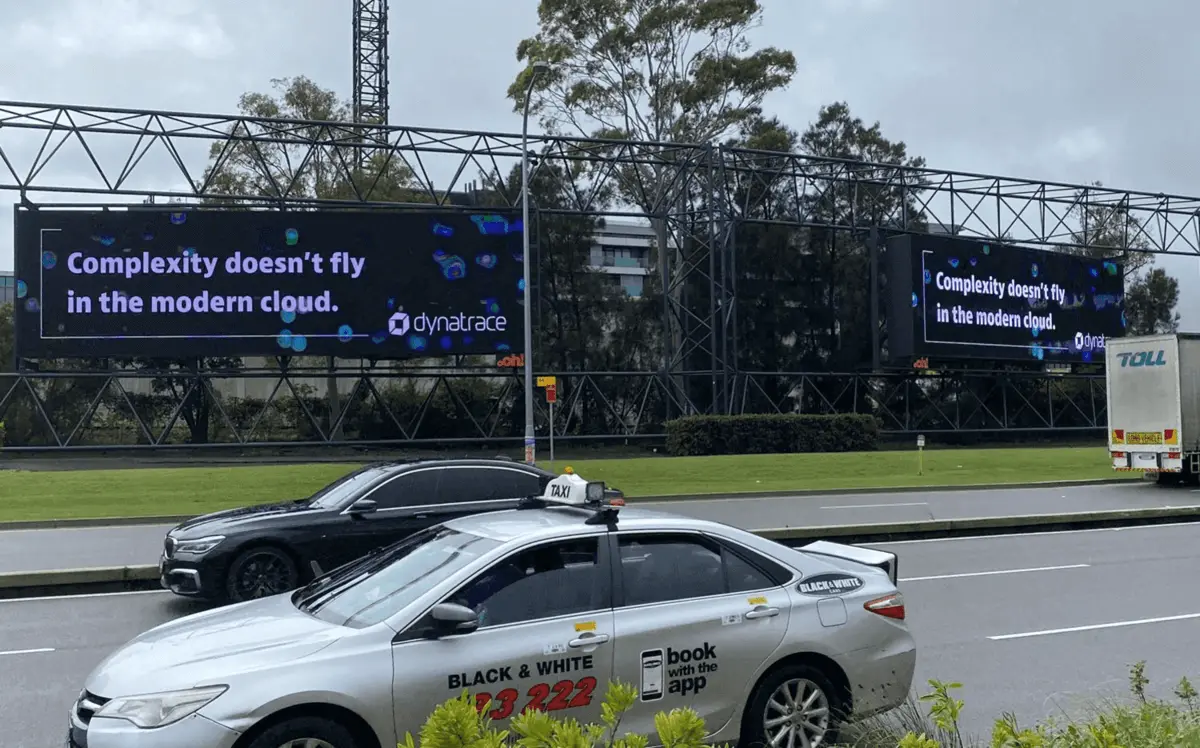
Client exampleDynatrace ran one airport campaign across five continents and reached over 60 million people.

Digital escalator spectacular in an airport terminal

One airport only? Start at the airport advertising overview, then find that airport. Working for a client? See how we work with agencies.

What you can run

What formats can run
across several airports?

Brands buy digital, static, experiential, and exterior units in airports; the formats below are examples. At each airport in the plan, we plan specific units and dates against what is open at the time.

Examples

What does a multi-airport campaign
look like?

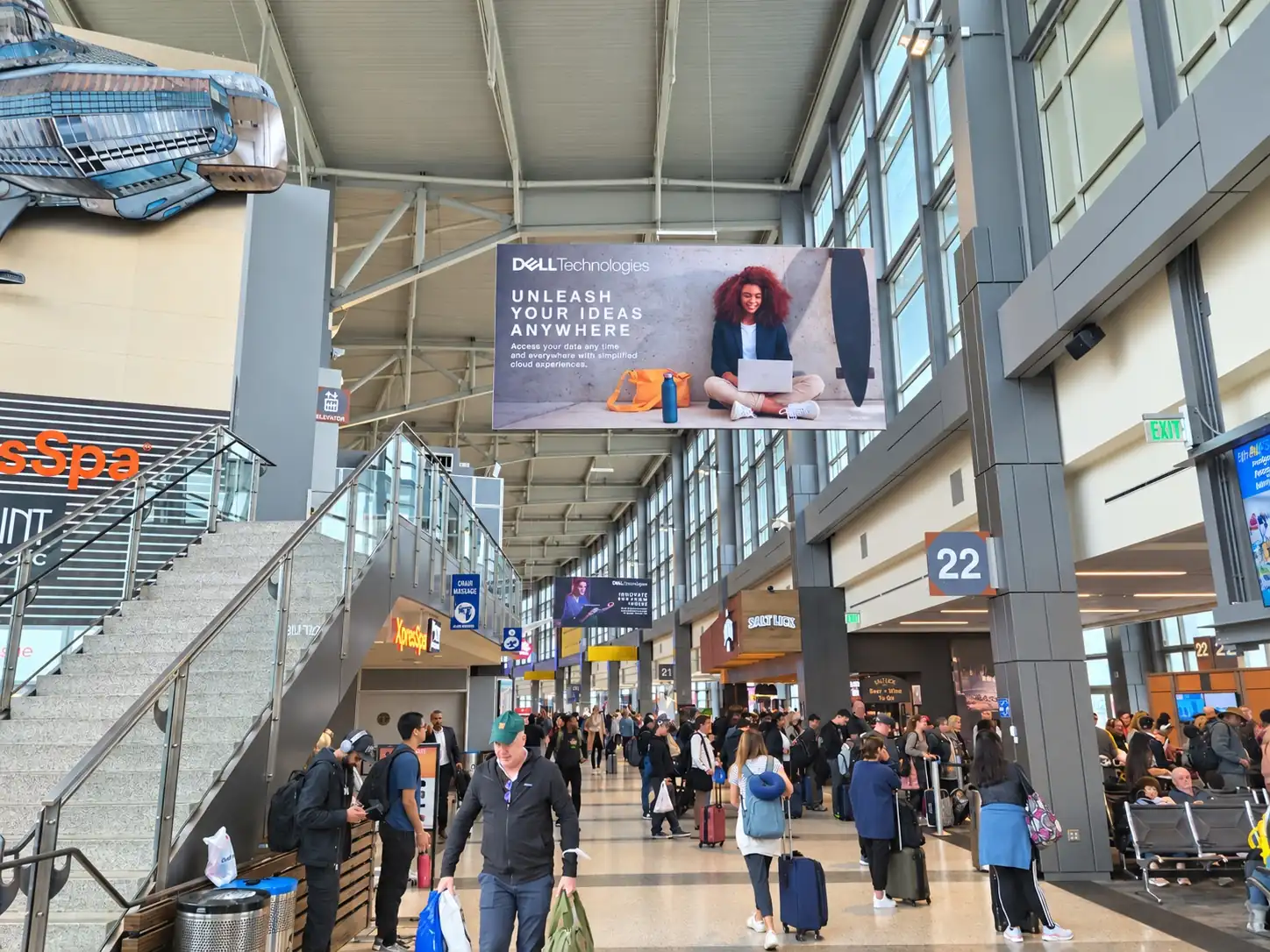
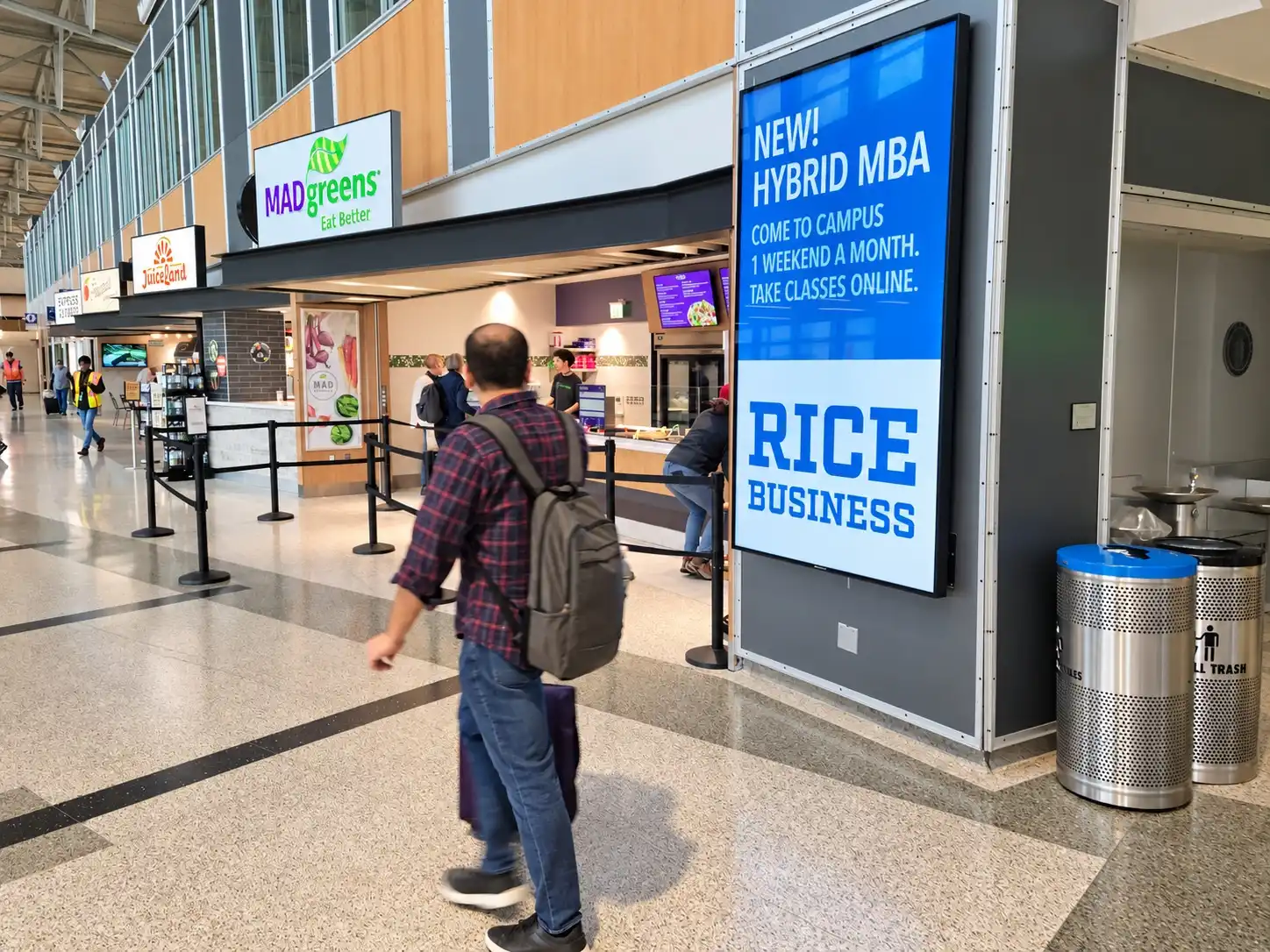
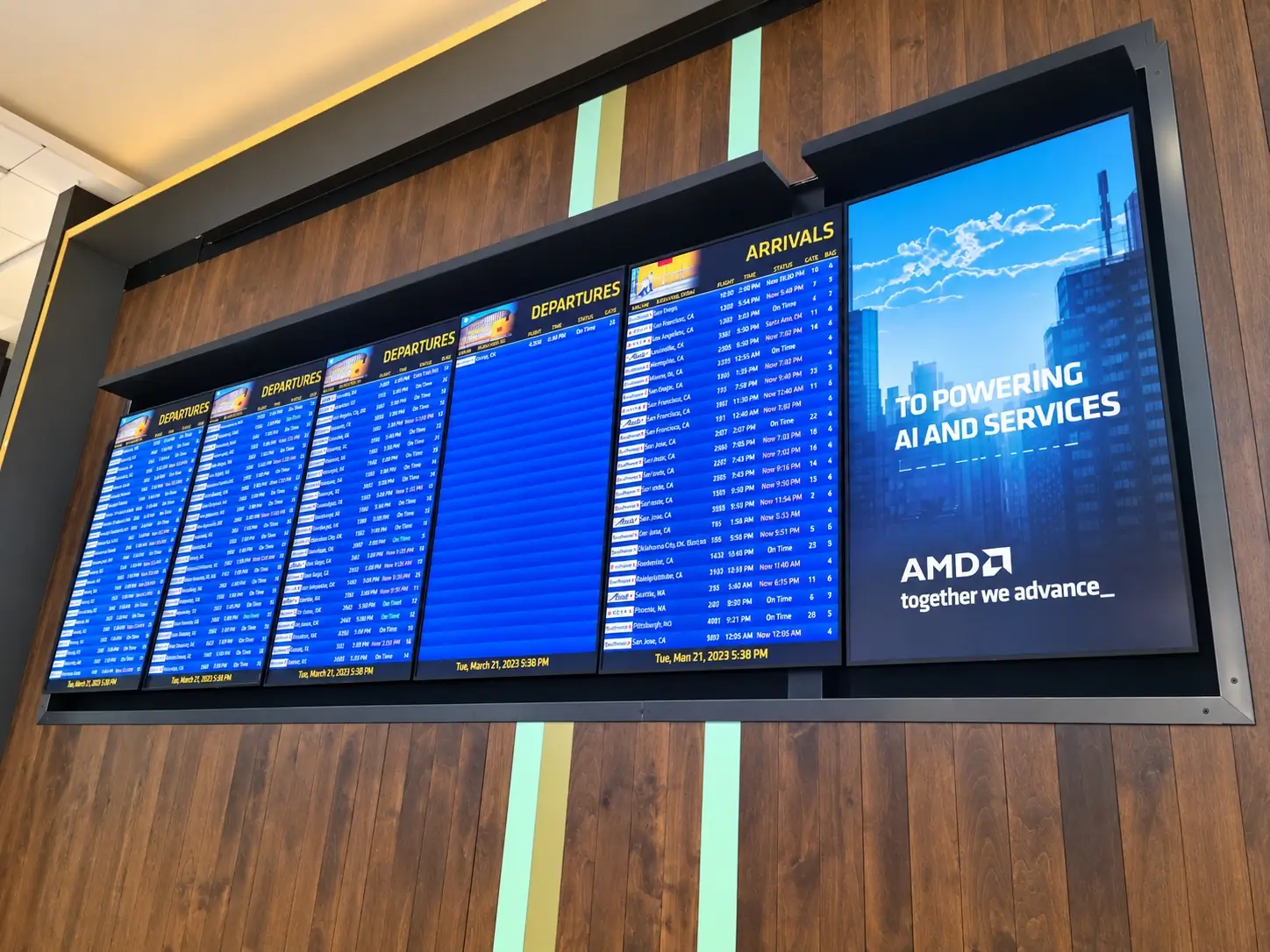
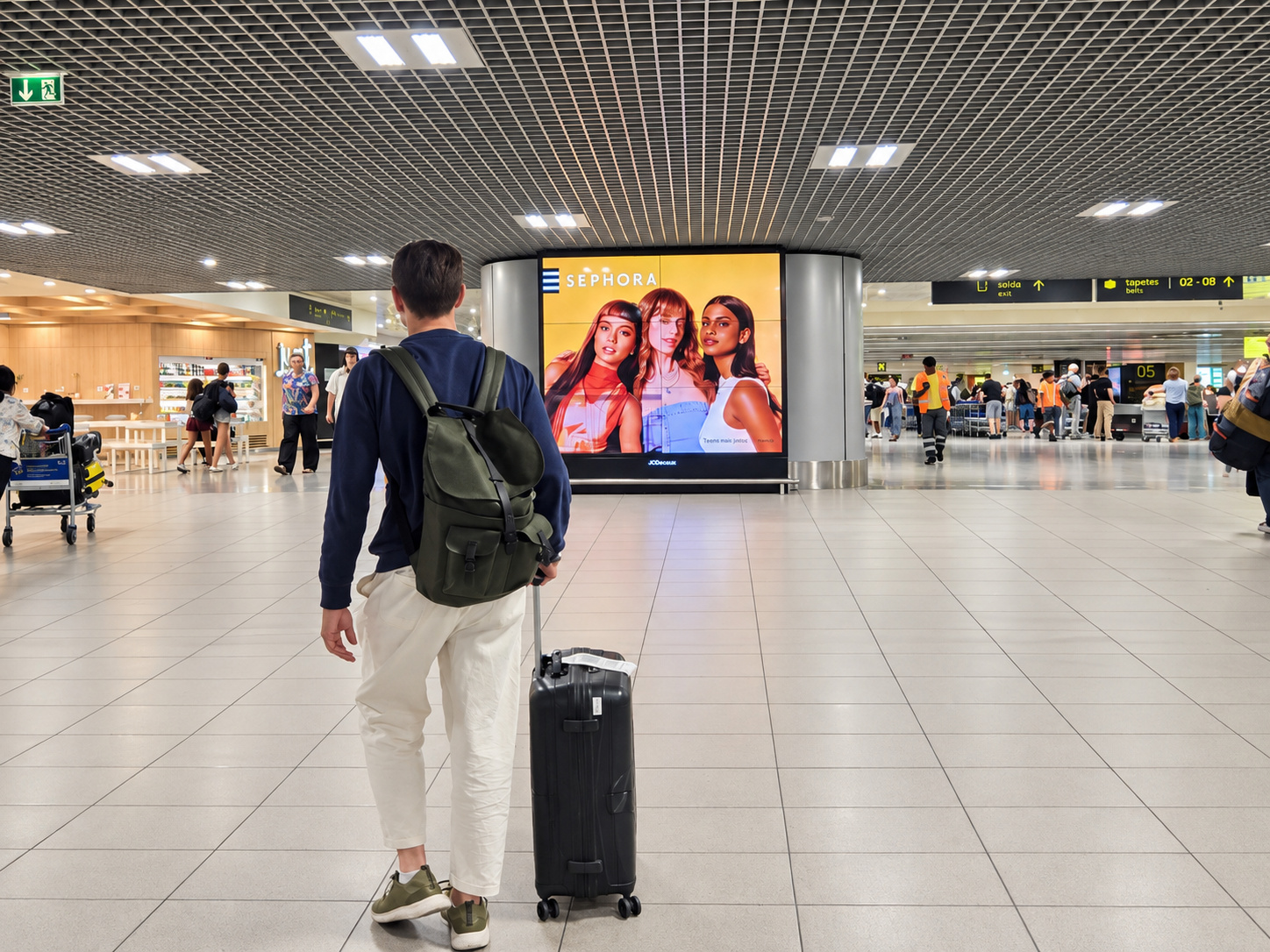
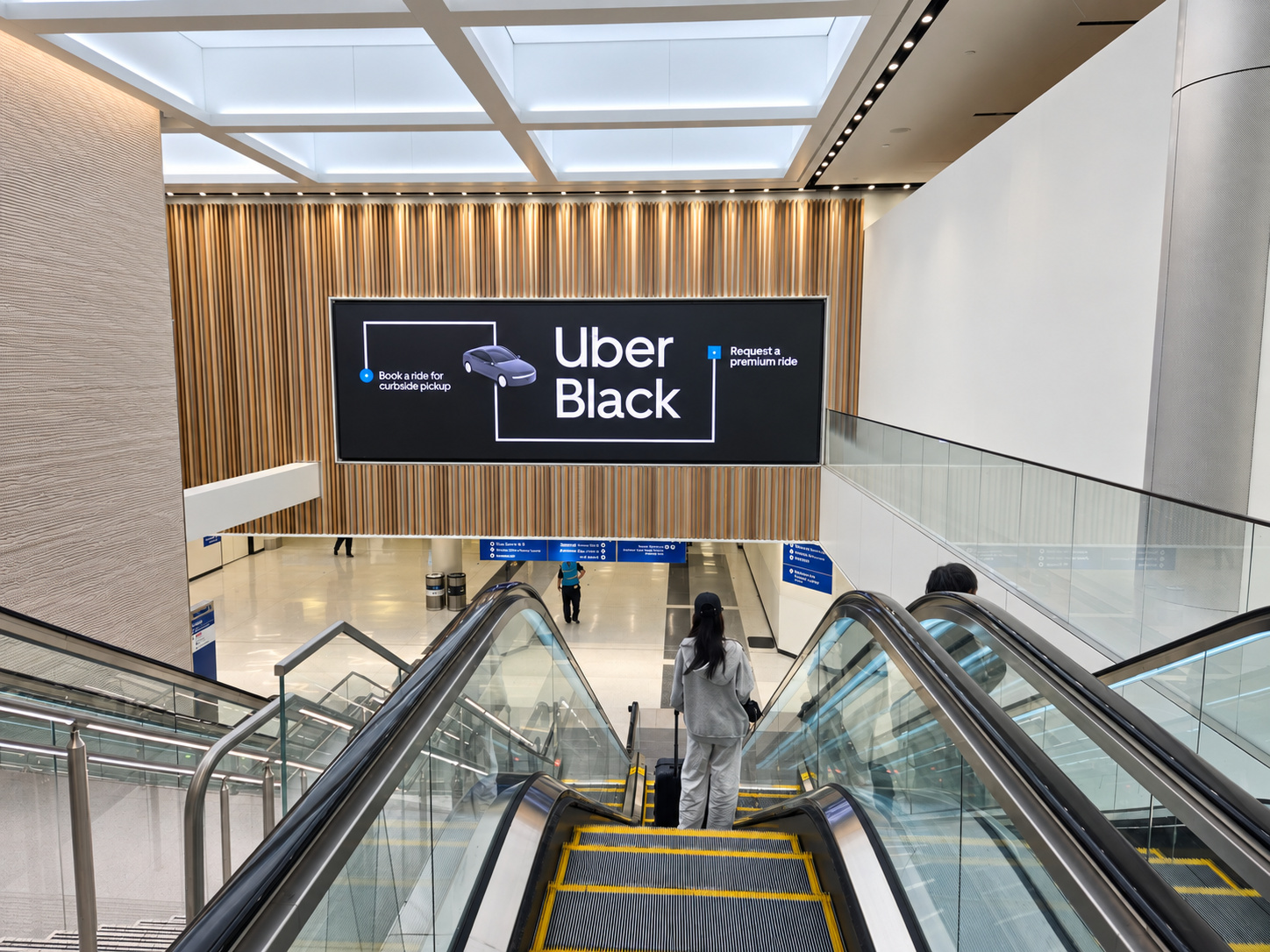
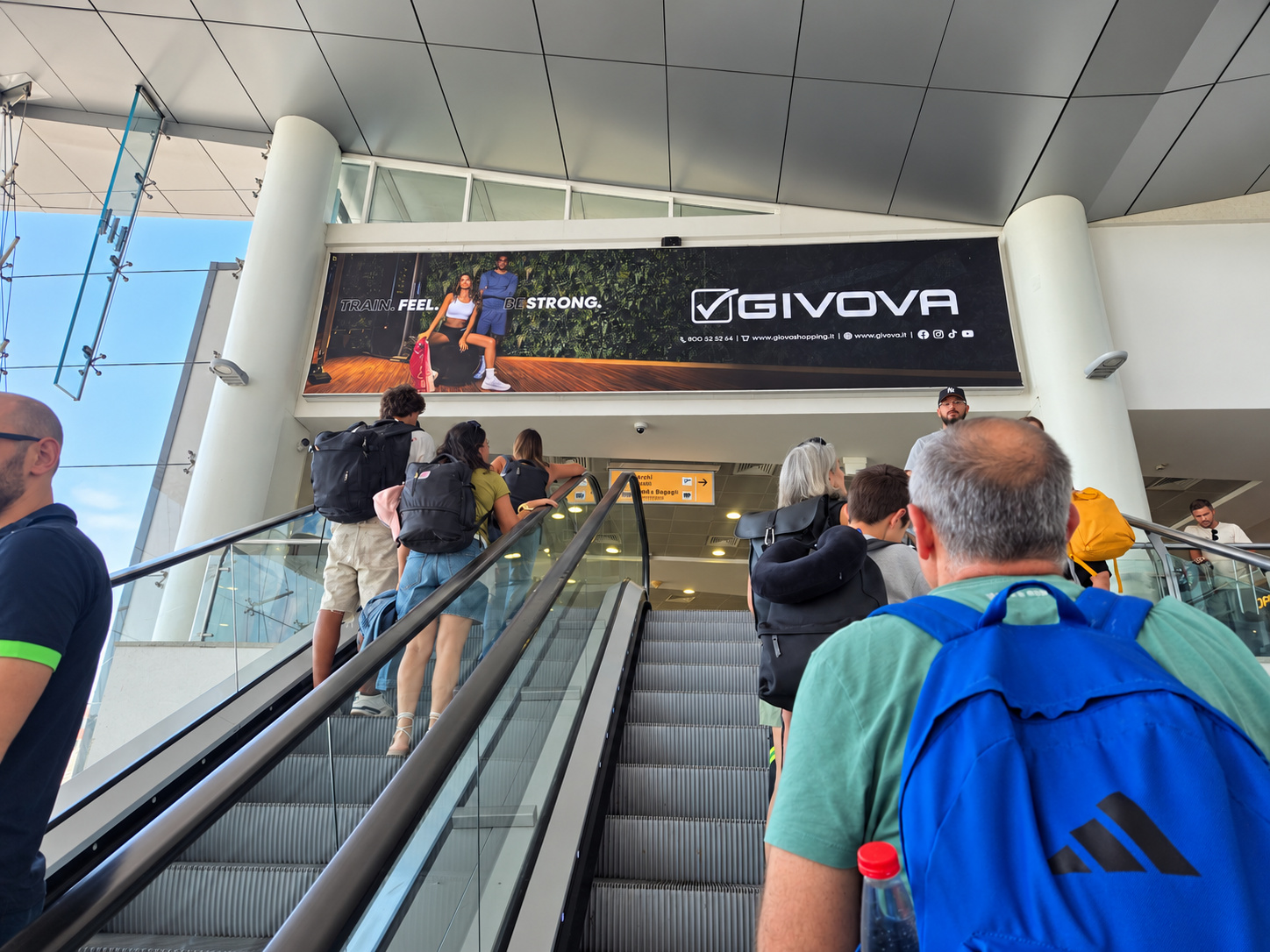
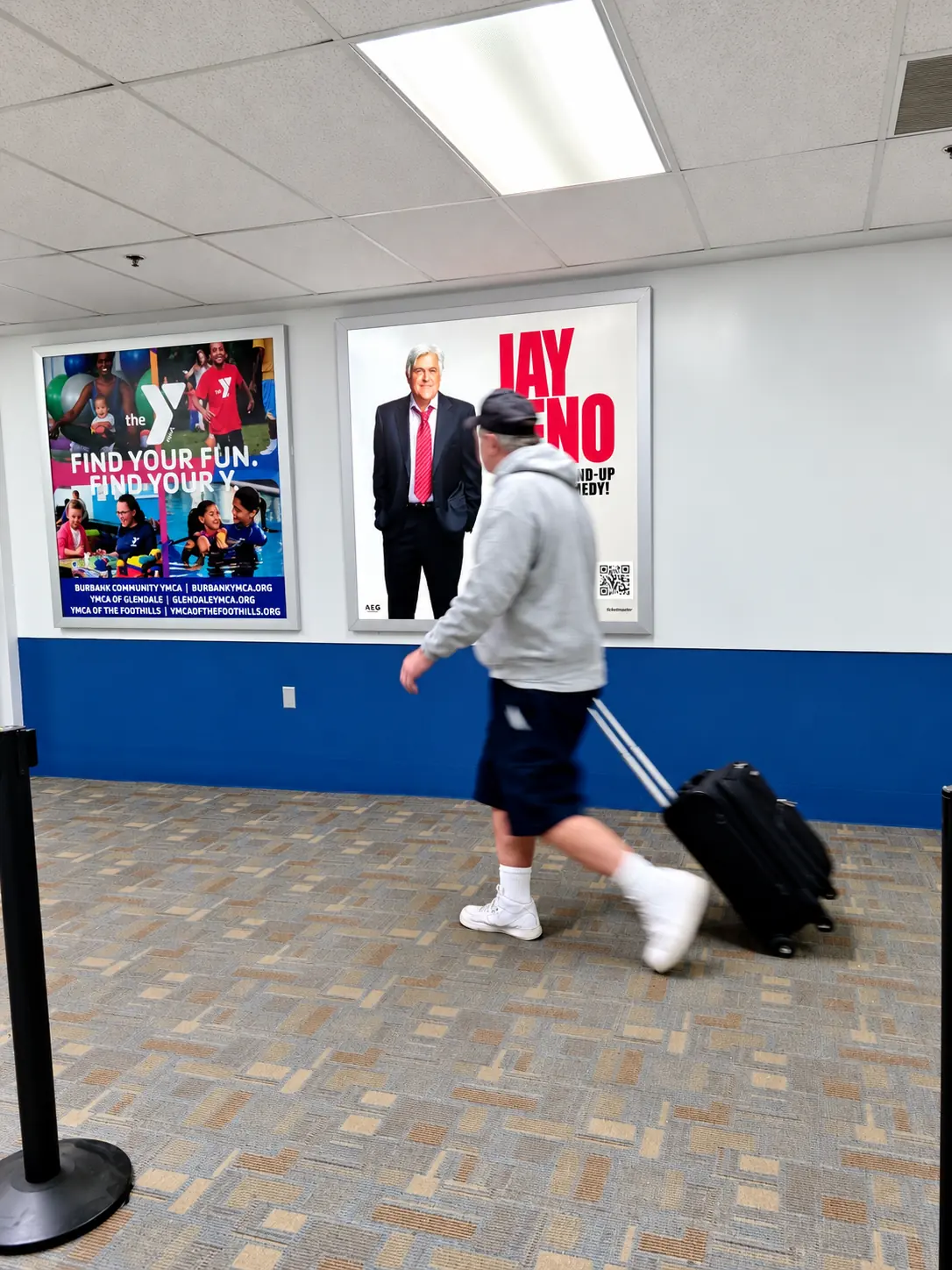
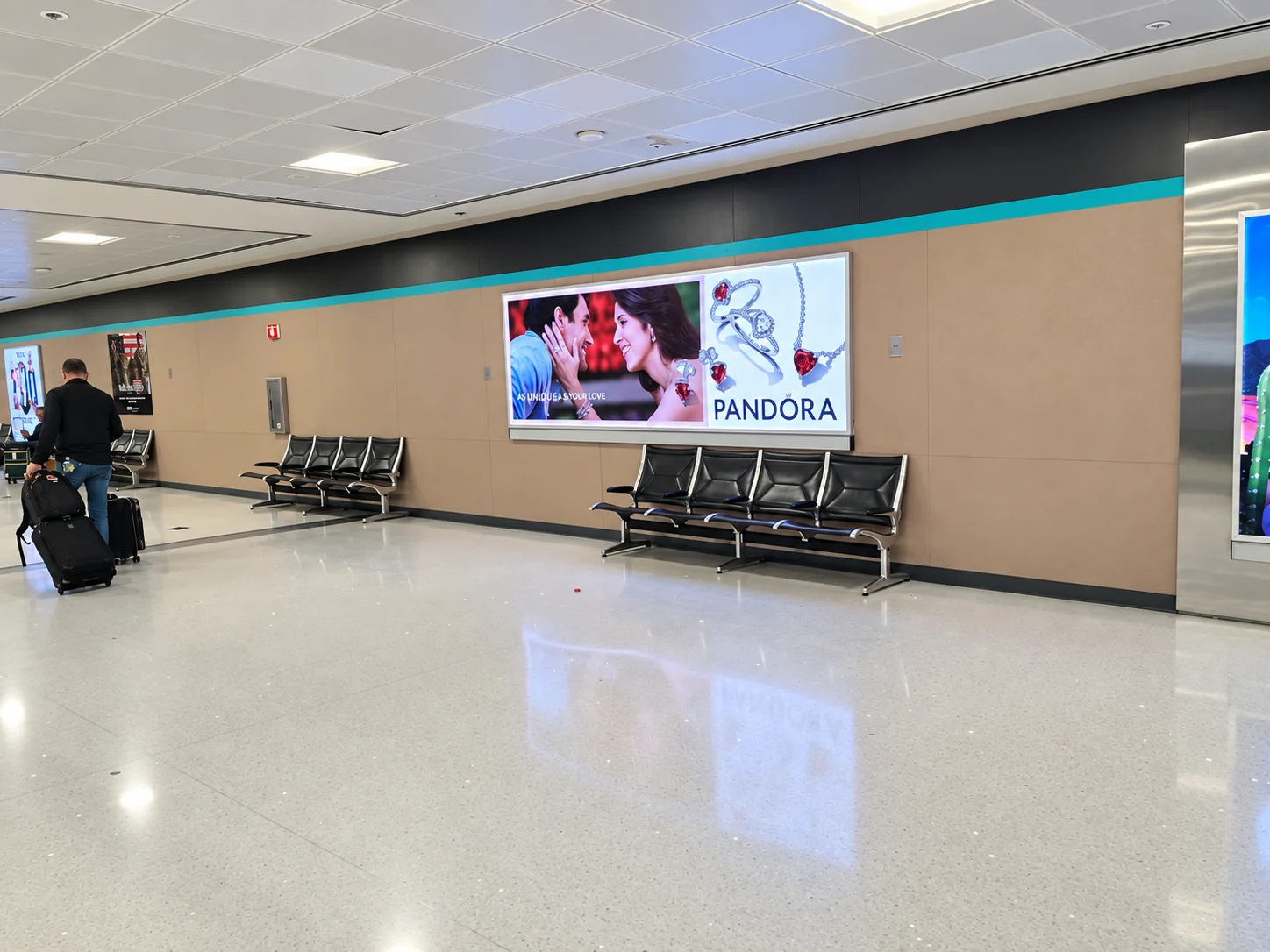
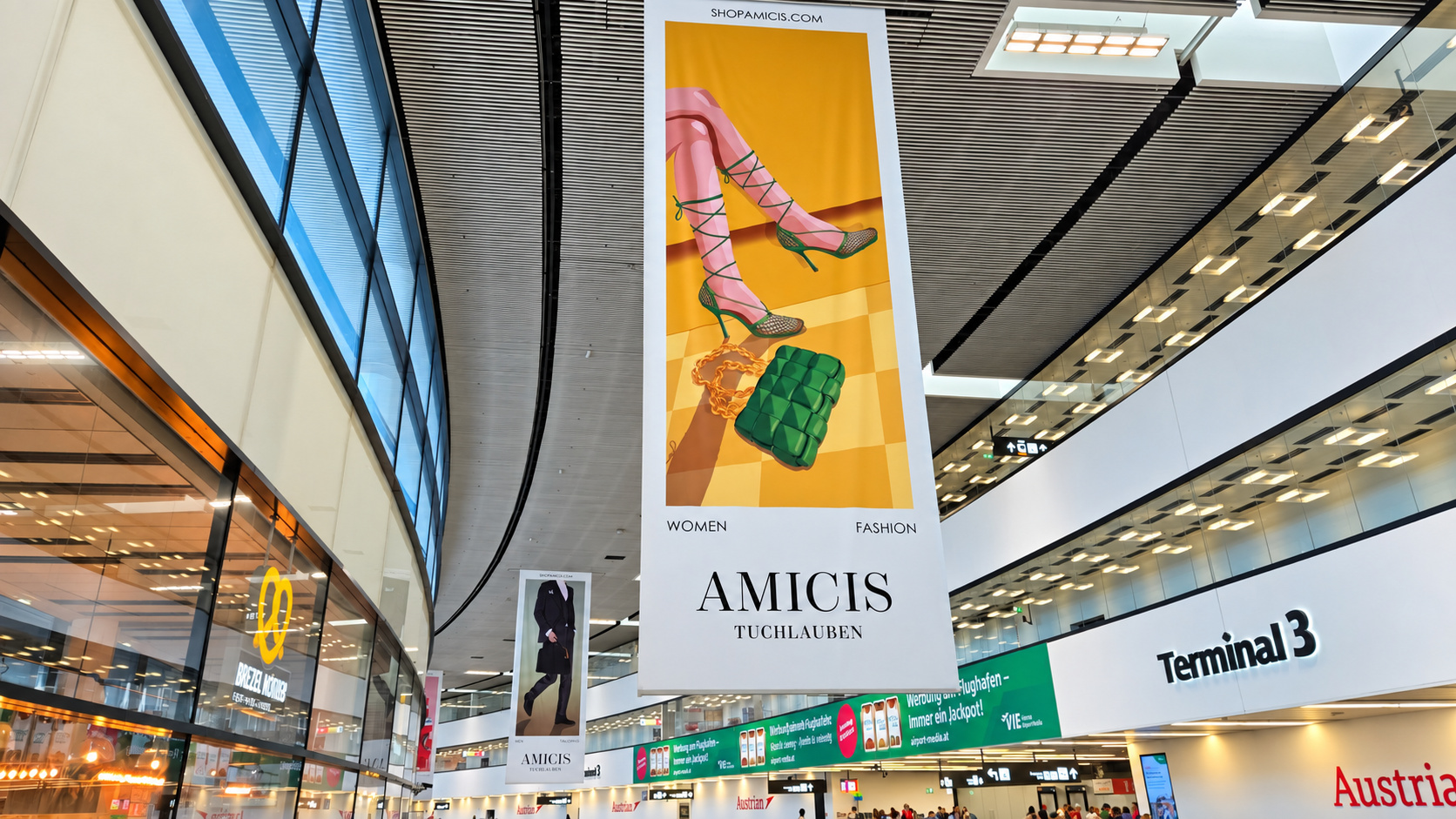
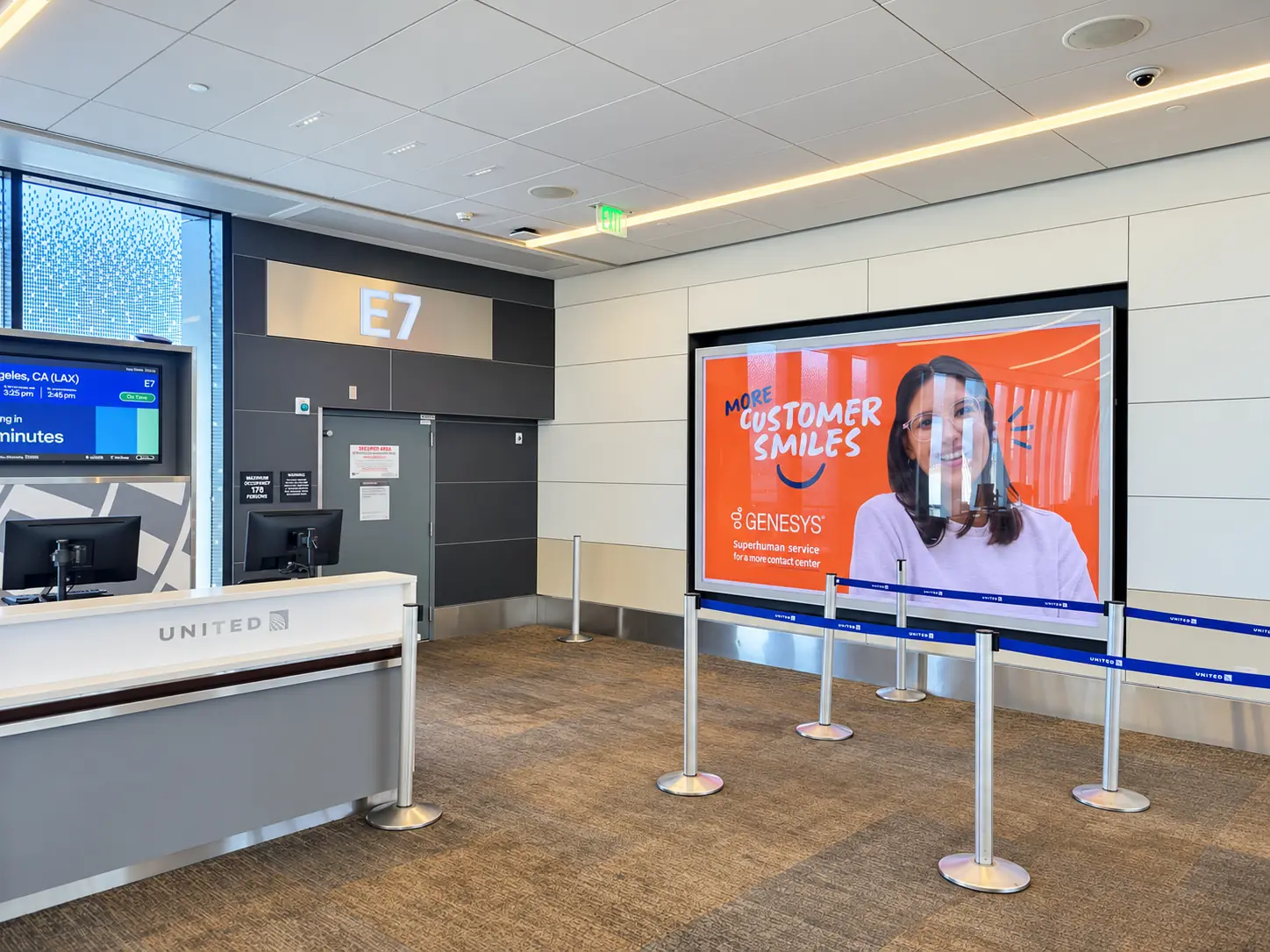
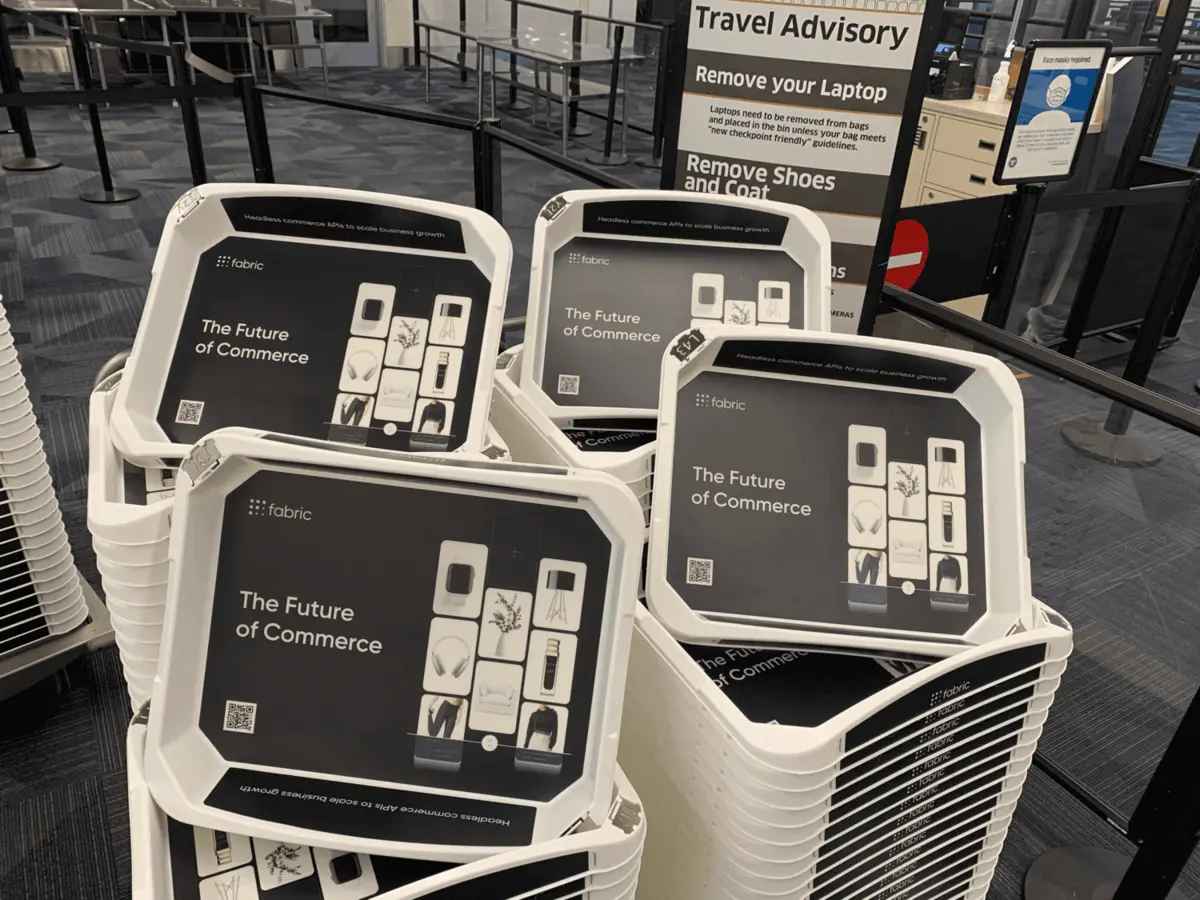
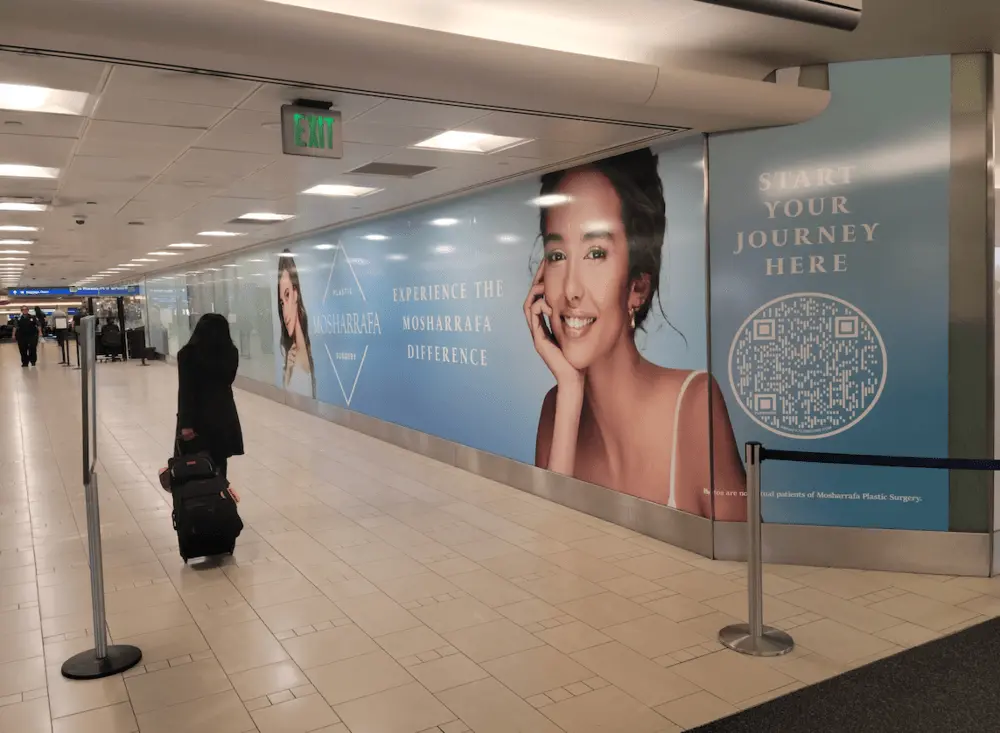
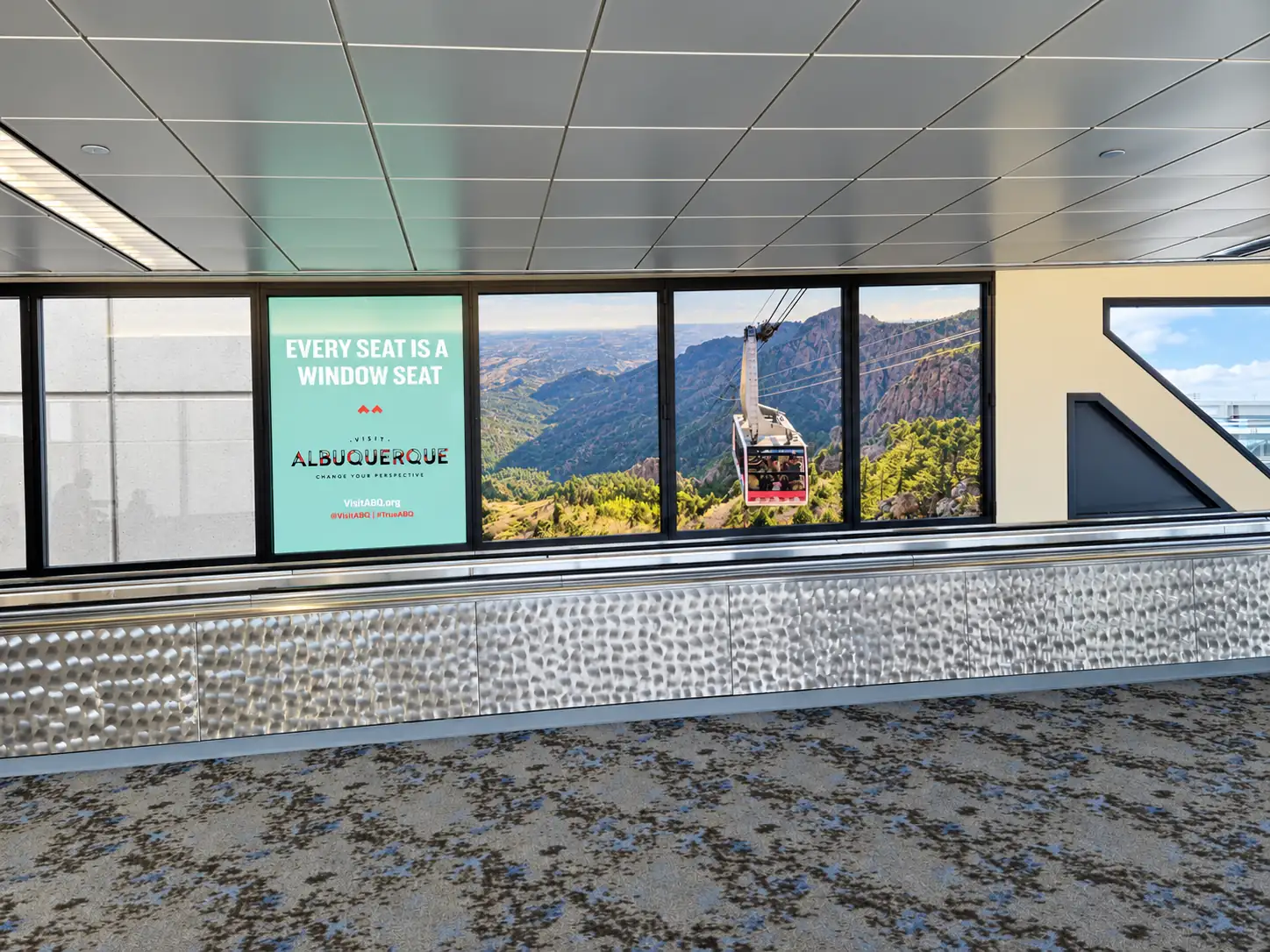
Airport advertising looks like digital networks, spectaculars, baggage claim screens, tension fabric, exit sponsorships, and floor graphics. The photos below are examples from airports across the country, in the formats EAM plans and buys.

Cost

What does a multi-airport
campaign cost?

Entry-level multi-airport campaigns start around $75,000 to $100,000 for three airports and $150,000 to $250,000 across five major U.S. hubs, for four weeks with static and digital unit options. Campaigns built for impact, with larger creative and more frequency, start at about $100,000 for three airports, $250,000 for five, and $500,000 for eight to ten. These are planning ranges, not a rate card; per-format pricing at a single airport is on the airport advertising cost breakdown.

Built for impact

What a multi-airport budget can buy (four-week flights)

These levels are for a campaign that makes a real impact, with creative large enough and frequent enough to get noticed. You can run for less with smaller units such as dioramas and mini-spectaculars, at a lower level of impact. Each level shows what is possible, not a fixed package; the mix is built around your airports, audience, and dates.

$100,000+

3 airports, for example SFO, ORD, and BOS

Possible formats
Static units such as banners, wall wraps, and spectaculars; some baggage claim digital networks; airline lounges.
Flight
4 weeks
Plan at this budget
$250,000+

5 airports, for example LAX, JFK, ORD, MIA, and DFW

Possible formats
Digital networks; static units such as banners, wall wraps, and spectaculars; airline lounges; and more.
Flight
4 weeks
Plan at this budget
$500,000+

8–10 airports, U.S. plus 2–3 international

Possible formats
All airport media formats are possible.
Flight
4–8 weeks
Plan at this budget

What this page will not publish

Unit rates, loop-position premiums, and airport-specific quotes. Those move with availability and the calendar. What you can plan against are the ranges above; specific airports, units, and dates come back as a quote.

Behind one contract

What does EAM Advertising manage
behind one contract?

EAM Advertising is an airport advertising media agency. Behind one contract, it manages every media owner at every airport in the plan, each with its own currency, terms, artwork specs, and deadlines. You get one point of contact, one contract, one set of terms, and one invoice.

Airports in the plan

  • ATLDFWDEN
  • LAXORDLHR
  • CLTLASMCO
  • SEACDGMIA
  • SFOEWRPHX
  • DXBIAHBOS
  • MSPDTWYYZ
  • LGAAMSFRA
  • MADHNDIST
  • BCNLGWMUC
  • JFKFCODOH
  • AUHDELSIN
  • BOMNRTICN
  • PVGMEXPEK
  • CANSZXHKG
  • SYDBKKKUL
  • GRUBOGMNL

A sample of the 125+ airports where EAM Advertising plans and buys.

Media owners at each airport

  • Terminal media vendors
  • Regional concession holders
  • Airport billboards
  • Airline lounge vendors
  • Airport Wi-Fi
  • Security trays
  • Product sampling

Each with its own currency, contract terms, artwork specs, and deadlines.

One partner.
Every airport.

What you get

  • One point of contact
  • One contract
  • One set of terms
  • One invoice

What goes wrong on a multi-airport buy,
and how does EAM fix it?

A multi-airport campaign multiplies sellers, contracts, currencies, deadlines, specs, and approvals. Bought airport by airport, it becomes a procurement project. EAM Advertising takes all of it on, hands back one plan, one contract, and one report, and brings the planning judgment to choose the media, packages, and terms that work for your audience.

  1. 01Every airport has different sellers.

    Buying airport by airportTerminal media, airline lounges, Wi-Fi, security trays, billboards, and sampling are often sold by different companies at the same airport. Across ten airports that is dozens of sales teams, and each one only knows its own inventory.

    With EAMOne plan built across every seller at every airport, starting from where your audience travels. You talk to EAM; EAM talks to all of them.

  2. 02Every seller has its own paperwork.

    Buying airport by airportOne airport sells by the week, the next in 28-day periods, the next in four-week flights. Currencies change at the border. Payment terms, hold rules, and cancellation clauses differ on every contract.

    With EAMOne contract, one set of terms, and one invoice with EAM, however many media owners, currencies, and buying units sit behind it.

  3. 03The calendars never line up.

    Buying airport by airportHolds expire in days. Event weeks at one airport sell out months ahead while the next airport has open inventory. By the time the plan is approved, the best units at the busiest airport are gone.

    With EAMAvailability checked across every airport at once, holds timed to your approval, and the plan sequenced so the airports that sell out first are secured first.

  4. 04Creative has to fit every screen, everywhere.

    Buying airport by airportEach airport runs its own screen sizes, loop lengths, print specs, install windows, and airport authority approval. One rejected file can hold up one airport while the rest go live.

    With EAMOne spec sheet covering every unit at every airport, files checked before they go in, and every approval moved by EAM, so the whole plan launches together.

  5. 05Someone will ask what ran, and where.

    Buying airport by airportProof comes back in a different format from every vendor, in every airport, and nobody has the full picture.

    With EAMProof of posting and play logs from every airport in one report, with impressions labeled as modeled and a brand-lift study set up before launch when you need to show effect.

Planning expertise

Fixing the logistics is half the job. Knowing what to buy is the other half.

Media that reaches your audience

Which networks, positions, and loops reach your audience at each airport, and which units look good on a rate card but miss them. The recommendation comes from planning and buying airport media since 2015, not from one media owner’s inventory.

Packaging that fits the budget

Media owners sell single units, packages, and domination buys. EAM knows which package fits your audience and dates, and which one adds inventory you don’t need.

Proposals read line by line

Every media owner’s proposal is reviewed for rates, loop share, and hold and cancellation terms before you sign, so the plan you approve is the plan that runs.

Room to negotiate

Rates, terms, and added value are negotiated with every media owner in the plan, so the budget buys as much of the right media as the market allows.

Direct or through one agency

Buying direct from each media owner,
or once, through EAM?

Media owners sell airport advertising: companies such as JCDecaux, oOh!media, Times OOH, Boingo, and Clear Channel Airports hold airport advertising and Wi-Fi contracts and sell their own inventory. EAM Advertising is an airport advertising media agency: it owns no inventory, works for the advertiser, and buys across all of them, so a multi-airport campaign runs through one contact, one contract, and one invoice.

Buying direct

A rep, a proposal, and a stack of paperwork from every media owner

  • ProposalJCDecaux
  • Rate cardoOh!media
  • Creative specsDeparture Media
  • Insertion orderBoingo
  • Artwork deadlineTimes OOH
  • ContractRegional concession holder
  • Hold noticeoOh!media
  • Play logDeparture Media
  • Creative approvalAirport authority
  • InvoiceTimes OOH
  • InvoiceRegional concession holder
  • Proof of postingDeparture Media
  • Campaign reportBoingo
  • Cancellation termsClear Channel Airports

A five-airport plan bought direct can mean several sales reps and dozens of documents: separate proposals, contracts, rate cards, specs, deadlines, invoices, and proof reports from every media owner involved, plus an approval from each airport authority.

Through EAM Advertising

One media agency on your side

  • One point of contactYou talk to EAM; EAM talks to every media owner.
  • One plan across every airportBuilt from where your audience travels, not from one owner’s footprint.
  • One contract and one set of termsHowever many owners, currencies, and buying units sit behind it.
  • One invoiceOne bill for the whole plan.
  • One proof-of-posting reportEvery airport, every unit, in one place.

What a media owner’s rep can’t do for you

The difference decides whose side the recommendation is on. A media owner can only recommend the units it holds, at the airports where it holds the contract. An airport media agency like EAM Advertising starts from where your audience travels and buys whatever fits, from whichever owners hold it.

  • Recommend a competitor’s unit

    A media owner sells the inventory it holds, even when another owner’s unit reaches your audience better.

    With EAMEAM compares every media owner at every airport in the plan.

  • Plan airports where it has no contract

    Each media owner covers its own footprint, so a national plan means starting over with someone new at each gap.

    With EAMEAM plans any of 125+ airports in one plan.

  • Negotiate against its own rate card

    The rep’s job is to sell that company’s inventory at that company’s rates.

    With EAMEAM negotiates rates, terms, and added value on your behalf.

  • Combine its paperwork with anyone else’s

    Every media owner sends its own proposal, contract, specs, invoice, and proof.

    With EAMEAM hands back one contract, one invoice, and one report.

See the full comparison: media owner, self-serve platform, and EAM Advertising

Real brands. Real campaigns.

What multi-airport campaigns
has EAM Advertising run?

Campaigns across several countries and media owners, each bought through one contract. Swipe or use the arrows for the markets, the scope, and the result.

“EAM made a nationwide airport campaign feel much easier to manage. Gene and the team were responsive, organized, and always on top of the details. They helped us make smart decisions with the budget, kept everything moving, and ultimately delivered exactly what we were looking for.”

Chief Marketing OfficerFortinet · nationwide airport campaign

These examples show past EAM campaigns—not a minimum campaign size, a forecast, or a guarantee of results. One-airport briefs are welcome, too.

Airport by airport

What does a multi-airport campaign involve,
airport by airport?

A multi-airport campaign involves different rules at every airport. The table below is drawn from current media kits at airports EAM buys: how inventory is sold, the buying unit, the creative deadline, and the terms that catch buyers out. Media owners are described, not named.

How airport advertising is sold at a sample of airports in EAM's plans
AirportHow it is soldBuying unitCreative deadlineTerms worth knowing
Las Vegas (LAS)Terminal digital networks, plus curbside, exterior, and taxi programs sold separatelyBy the week for event weeks (one-week minimum); four-week flights otherwiseDigital creative 14–18 business days before startNon-cancellable once signed; a single creative per contracted spot; marquee weeks book 4–6 months out
Barcelona (BCN)Terminal program; priced in euros, excluding VAT28-day, 1-week, or 2-week periodsDigital 14–18 business days, static 21–28 days before startHolds expire in 5 business days; contracts are non-cancellable once signed; the Fira Gran Via conference calendar drives demand weeks
Austin (AUS)Terminal digital networks and a print program28-day periodsDigital 14–18 business days, static 21–28 days before startHolds expire in 5 business days; contracts are non-cancellable once signed; competitive separation between print and digital may be possible*; construction affects some units
San Francisco (SFO)Terminal digital and static programs28-day or 2-week periodsDigital 14–18 business days, static 21–28 days before startHolds expire in 5 business days; quotes valid about 30 days; airport authority approves creative
Mexico City (MEX)Terminal digital and static programsBy the week, or in 2-week or 4-week periods14–18 business days before startHolds expire in 5 business days; contracts are non-cancellable once signed
Orlando (MCO)Five terminal digital networks, sold by terminal and airlineBy the week or in 4-week periodsDigital 14–18 business days, static 21–28 days before startQ4 carries a premium
Madrid (MAD)Terminal program; priced in euros, excluding VAT28-day, 1-week, or 2-week periodsDigital 14–18 business days, static 21–28 days before startHolds expire in 5 business days; contracts are non-cancellable once signed
Phoenix (PHX)Terminal digital and static programs28-day, 1-week, or 2-week periodsDigital 14–18 business days, static 21–28 days before startHolds expire in 5 business days; contracts are non-cancellable once signed
Atlanta (ATL)Terminal digital and static programs28-day or 2-week periodsDigital 14–18 business days, static 21–28 days before startHolds expire in 5 business days; contracts are non-cancellable once signed
Seattle (SEA)Terminal digital and static programs28-day or 2-week periodsDigital 14–18 business days, static 21–28 days before startHolds expire in 5 business days; contracts are non-cancellable once signed

*At Austin, competitive separation between print and digital may be possible. Ask when booking; it isn’t guaranteed.

EAM's take

The rule that derails a multi-airport plan is rarely the price. It is the calendar. A five-day hold at one airport, a four-to-six-month event window at another, and a 28-day buying period at a third do not line up on their own, and a brand buying direct usually finds out when the first hold lapses. Sequencing the plan so the scarce airports are secured first, and every approval lands inside its hold window, is most of the work.

Put five of these airports in one plan and a brand buying direct is managing five buying units, five deadlines, several currencies, and a contract per media owner. Through EAM, it is one contract and one set of terms.

By industry

Which airports do brands
advertise in, by industry?

Most clients arrive knowing their markets. Across the campaigns EAM Advertising has planned since 2015, these are the airports clients in each industry have prioritized most often. Plans run in many other airports too; these are the ones that come up most.

Airports clients prioritize most, by industry

Cybersecurity

Who they’re reaching
CISOs, security buyers, federal IT
Airports clients prioritize most
SFO SJC IAD DCA LAS AUS BOS
Why these markets
The Bay Area and the Washington federal corridor hold the buyers; RSA Conference in San Francisco and Black Hat and DEF CON in Las Vegas concentrate the industry for a week.

These are the most common choices, not a limit: clients in every industry also run in other airports, and every plan follows the client’s own markets, dates, and budget. A cybersecurity brand launching at RSA and a university recruiting in its feeder markets can share an airport and still need different units, dates, and placement.

Inside the airport

Which airports, and where in each,
should your ads run?

Airport ads should run along the path your audience actually walks, in the direction that matters. Conference and visitor campaigns weight the arrival path, ending at baggage claim and the curb. Always-on, recruiting, and B2B campaigns reach the same people in both directions.

Airport zones, in the order passengers move through them

  1. Roadways and parking

    Arriving and leaving by car

    Dwell: Brief, repeated

    Exterior billboards on the approach; reaches travelers and the wider metro

  2. Check-in and ticketing

    Start of the departure

    Dwell: A few minutes

    Large static and digital units that set the brand before security

  3. Security checkpoint

    Standing in line, then at the trays

    Dwell: Stationary, with little else to look at

    Security trays and checkpoint domination; simple, high-recall messages

  4. Concourses and gates

    Waiting to board

    Dwell: The longest dwell before departure

    Digital networks and gate units for frequency; the departure side of always-on and recruiting buys

  5. Airline club lounges

    Premium travelers between flights

    Dwell: Extended, seated

    Executive, financial, and executive-education audiences

  6. Arrivals path and escalators

    Walking off the plane

    Dwell: Short, repeated exposures

    Arrival-path digital for conference weeks and visitor messaging

  7. Baggage claim

    Waiting for bags; passengers without bags still exit through it

    Dwell: Often 20–30 minutes at busy airports

    Carousel screens and banners; the strongest arrival-side dwell

  8. Ground transportation

    Waiting for a taxi, rideshare, or shuttle

    Dwell: Can run 30 minutes at peak

    The last impression before the city; taxi and rideshare screens

At an airport with more than one terminal, the airline decides the path: a Delta traveler and a Southwest traveler can land at the same airport and never pass the same screen. EAM maps your audience's airlines to terminals before recommending units.

Coverage

Which airports does
EAM Advertising cover?

EAM Advertising covers 125+ airports across North America, Europe, Latin America, Asia-Pacific, the Middle East, India, and Africa. Any combination can run under one contract.

How EAM works

How does EAM Advertising run
a multi-airport campaign?

EAM Advertising runs a multi-airport campaign as one call, one plan, and one contract. We follow up to learn who you need to reach and when, then come back with current availability and a recommended mix across every airport that fits.

  1. Step 01

    Scope the campaign.

    Who you need to reach, where, and when. We follow up to learn the objective and the budget range, and map the airports to where your audience travels.

    You getThe objective, budget range, and airport map

  2. Step 02

    Check avails and loop position.

    What is open for your dates at every airport in the plan, which loops are crowded, and which units are likely to sell out first.

    You getAvailability and sell-out risk at every airport

  3. Step 03

    Quote the mix.

    Formats and placement at each airport, along the arrival and departure path, with a quoted range. We come back with current availability and a plan you can take inside.

    You getA quoted plan you can take inside

  4. Step 04

    Contract and traffic creative.

    One contract with EAM covers every media owner in the plan. We supply one spec sheet for every unit and move creative through each airport's approval.

    You getOne contract and one spec sheet

  5. Step 05

    Go live and close the loop.

    Confirm posting before the first arrival wave at every airport. Deliver proof of posting and play logs from every airport in one report.

    You getProof of posting and play logs in one report

Timing

How far ahead should you plan
a multi-airport campaign?

Plan a standard multi-airport flight twelve to sixteen weeks ahead, and four to six months ahead when a marquee event week is in the plan. Holds, contracts, artwork, and airport approvals all run on their own clocks at every airport.

A multi-airport timeline, working back from launch

  1. 16–24 weeks out

    Marquee event weeks: secure holds on the strongest arrival-path units at the host airport.

  2. 12–16 weeks out

    Standard multi-airport flight: scope the airports, check availability, and quote the mix.

  3. 3–4 weeks out

    Static, print, and tray artwork due for production and installation.

  4. 2–3 weeks out

    Digital creative due, typically 14–18 business days before start, and airport authority approvals completed.

  5. Launch

    Posting confirmed at every airport before the first arrival wave.

  6. After the flight

    Proof of posting and play logs from every airport in one report.

Ready to plan?

Have a brief?
Skip the kit.

Tell us who you need to reach, where, and when. We come back with current availability at every airport in the plan and a recommended mix.

125+ airports · 40+ media vendors · Since 2015

Airports, start date and duration, campaign goal, budget range, and anything else you can share. A few lines is plenty.

We come back with current availability and a recommended mix.

Making the case

The questions your leadership
or client will ask.

Whether airport advertising works at all, and the research behind it, is covered on the airport advertising overview and in airport advertising effectiveness. The two questions specific to a multi-airport buy are below.

How do you measure
a multi-airport campaign?

Proof of posting and play logs show the campaign ran as bought, delivered impressions size the audience, and a brand-lift study set up before the flight is the only method that measures effect. Direct pipeline attribution is not reliably available.

What can and cannot be measured across airports

  • Proof of posting

    Photographic confirmation that every unit ran, at every airport, for the full flight

    Highfactual
  • Play logs

    Spot counts and share of voice on digital networks

    Highlogged
  • Delivered impressions

    Modeled audience delivery from passenger volume and unit position

    Moderatemodeled
  • Brand lift study

    Awareness or perception change against a control; fielded before the flight

    Moderateneeds budget and lead time
  • Mobile location studies

    Devices seen at the airport during the flight, matched to later visits to stores or sites against a control group; privacy rules limit where it can be used

    Moderatemodeled
  • Market-level signals

    Web traffic, branded search, and inbound by metro during the flight versus before

    Directional
  • Direct pipeline attribution

    Not reliably available for airport media

    Lowtreat claims with skepticism

For agencies and consultants

Your client. Your plan.
We handle the airports.

Agencies and consultants bring EAM Advertising in as the airport specialist behind a client’s plan. The client relationship stays with you. We plan, buy, and report under NDA, and can work white-label.

Get our media kit
  • Your client stays yours.We work behind your team, not around it.
  • White-label and NDA.Plans and reporting can go out under your name.
  • One contract, one invoice.Every airport and media owner in the plan, under one set of terms.
  • Numbers before the client commits.Current availability and planning ranges at the proposal stage.

Questions

Questions about airport advertising agencies
and multi-airport campaigns

What does an airport advertising agency do, and why use one for several airports?

An airport advertising media agency plans and buys airport advertising for the advertiser across every media owner and airport in the plan: checking availability, recommending the mix, holding one contract, moving creative through each airport's approval, confirming posting, and reporting proof of posting across every airport.

How do I start a multi-airport campaign?

Send your work email for the media kit. We follow up to learn who you need to reach and when, then come back with current availability and a recommended mix across the airports that fit.

How far ahead should a multi-airport campaign be booked?

For marquee event weeks, the strongest units commit four to six months out. For a standard multi-airport flight, twelve to sixteen weeks is usually workable. Static units, wraps, and trays need extra production and install time, and holds expire in days, so timing the decision matters as much as the booking.

Can one campaign include U.S. and international airports?

Yes. EAM Advertising plans U.S. and international airports in one plan, with one contract and one invoice, and handles the local currencies, tax treatment, lead times, and approvals behind it. International airports need longer lead times.

What does a multi-airport campaign cost?

Entry-level multi-airport campaigns start around $75,000 to $100,000 for three airports and $150,000 to $250,000 across five major U.S. hubs, for four weeks with static and digital unit options. Campaigns built for impact, with larger creative and more frequency, start at about $100,000 for three airports, $250,000 for five, and $500,000 for eight to ten. These are planning ranges, not a rate card.

Can EAM secure advertising at any airport?

EAM Advertising secures advertising across 125+ airports in North America, Europe, Latin America, Asia-Pacific, the Middle East, India, and Africa, through 40+ media owners, and plans and buys beyond that list on request. A campaign can run in a handful of airports or dozens under one contract.

Does EAM Advertising work with marketing agencies?

Yes. Agencies bring EAM in as the airport advertising specialist behind a client's plan. The client relationship stays with the agency; EAM plans, buys, and reports under NDA and can work white-label.

Is Clear Channel Airports an airport advertising agency?

No. Clear Channel Airports is a media owner: it holds advertising contracts at airports and sells its own inventory. So do oOh!media, Times OOH, Boingo, and JCDecaux. An airport advertising media agency, such as EAM Advertising, owns no inventory and buys across all of them on the advertiser's behalf.

What are airport media concession companies?

Airport media concession companies hold the contract, or concession, from an airport to sell advertising on its property. They own or operate the screens and signs, sell their own inventory, and cover only the airports where they hold that contract. JCDecaux, oOh!media, Times OOH, and Clear Channel Airports are examples. EAM Advertising is not a concession company: it is an airport advertising media agency that buys from the concession companies at every airport in a plan, on the advertiser's behalf.

Airport advertising media agency. 125+ airports. Est. 2015.

One airport or twelve.
Start with the media kit.

Send your work email for the media kit: formats, planning ranges, and how EAM works. We’ll follow up to learn who you need to reach and when, then come back with current availability and a recommended mix.

We’ll follow up to learn who you need to reach and when.

125+ airports · 40+ media vendors · Since 2015

Sources

Sources
and methodology

  1. Planning ranges and booking windows: EAM Advertising planning and buying data across 125+ airports, 2015–2026. Ranges are planning figures, not rate cards.
  2. Airport-by-airport buying units, deadlines, and terms: current media kits, proposals, and rate grids from the media owners at each airport, 2025–2026. Media owners are described, not named; rates are not published.
  3. Media-owner classifications: each company's own published description of its airport advertising business (JCDecaux, oOh!media, Times OOH, Boingo, Clear Channel Airports).
  4. Research on airport advertising effectiveness: ResearchBods for JCDecaux (2021), Ipsos for JCDecaux (2024), and Nielsen for Clear Channel Outdoor (2025). All three were funded by media owners and are presented as directional.
  5. Campaign results: published campaign summaries on the case studies page. Impressions are vendor-reported delivery.
  6. Airport coverage: airports where EAM Advertising plans and buys, as of September 2026. The network animation shows a 50-airport sample.

Updated October 7, 2026 · By EAM Advertising