Airport advertising at Chicago O'Hare International Airport (ORD) Chicago Flies Out. The Country Connects.

85 million passengers a year: Chicago’s workforce, students, and families flying out, travelers connecting through United’s and American’s hubs, and the McCormick Place industries flying in. Get the ORD media kit for formats, planning ranges, and booking windows. As a single-source airport media agency, we’ll follow up to learn who you need to reach, then come back with current availability and a recommended mix.

We’ll follow up to learn who you need to reach and when, then come back with current availability and a recommended mix.

  • 125+Airports worldwide
  • 40+Media vendors
  • 84.9MORD passengers in 2025

You’re in good company

  • Thomson Reuters
  • Invest in Canada
  • Dynatrace
  • Fortinet
  • Motorola
  • BYU

At a glance

Chicago airport advertising
at a glance

  1. 1

    ORD handled 84.9 million passengers in 2025, up about 6% year over year. United is the largest carrier; American runs a major second hub. International traffic was about 14.8 million. ORD is a dual-hub building with a convention center attached, not a leisure airport; that role sits with Midway.

  2. 2

    Four terminals: Terminal 1 United; Terminal 2 Air Canada, JetBlue, and mixed regionals; Terminal 3 American (plus low-cost and Alaska mixes); Terminal 5 most international arrivals plus selected carriers including Delta and Southwest. Confirm the airline map against flychicago at contract. Terminal and direction decide who sees the unit.

  3. 3

    Connecting passengers on United may never leave Terminal 1 airside; American connectors stay inside Terminal 3. Bag claim, Terminal 5 after federal inspection, and the curb reach only people beginning or ending a trip in Chicago. Conference inbound and resident branding briefs weight those zones differently.

  4. 4

    Two calendars drive the buy. Always-on reaches the Loop and metro workforce, universities, healthcare systems, and corporate headquarters. McCormick Place weeks — PACK EXPO, RSNA, AHA, ANCC Magnet, the Auto Show — bring an industry through the same terminals. Holidays and semester peaks fill the gaps.

  5. 5

    Planning ranges: a single unit or network runs $3,500–$75,000 per 28-day period. A two- or three-unit package runs $20,000–$120,000 per period. A domination-scale mix runs north of $165,000 per period. Production, install, and removal typically add a few hundred to low-five-figures depending on format. Those are planning ranges, not a rate card.

  6. 6

    Media is sold in 28-day periods. Holds expire five business days after confirmation. Digital creative is due 14–18 business days before start; static creative 21–28 days before start. Contracts are non-cancellable once signed. Creative is subject to airport authority approval. Competitive separation may be possible, but it isn’t guaranteed; ask when booking and write it into the contract. Some arrivals domination packages require a twelve-week minimum.

  • 84.9MORD passengers in 2025; +5.97% vs. 2024Chicago Department of Aviation
  • ~6.7Mmonthly passengers cited in the media specifications / Dec 2025 CDA monthlyCDA / media specifications
  • 2.6M sq ftMcCormick Place exhibition space; largest convention campus in North AmericaMPEA

What you can run

What can you run
at ORD?

The units on the current ORD specifications include Multi-terminal overhead LED package; Terminal 1 neon-tunnel approach LEDs; Premier concourse digital package; Terminal 1 Concourse B tension fabric; Terminal 1 B/C connector fabric; Terminal 5 rotunda fabric package; Terminal 3 overhead fabric package. Digital loops and static faces are bought as those specifications describe them. Share of voice depends on the loop length for that unit. The descriptions are planning context, not a rate card.

ORD · Unit

Multi-terminal overhead LED package

~16 overhead LEDs (including double-sided faces) across Terminals 1, 2, and 3 in long-sightline corridors

Screens or type
Mixed ~102″×62.5″ and ~124″×62″
Your spot
:10 / :100; one of 10, ~10% SOV; static + motion
Best for
Domination building block; hub frequency across domestic core

ORD · Unit

Terminal 1 neon-tunnel approach LEDs

Pair of large soffit LEDs above the escalator from Concourse C toward the B/C pedestrian tunnel

Screens or type
~300″ × 87″ class
Your spot
:10 / :60; one of 6, ~17% SOV; static + motion
Best for
United connecting and O&D dwell on the iconic path

ORD · Unit

Premier concourse digital package

~23 screens near lounges, gate holds, and high-traffic points across concourses

Screens or type
~84″; 1920×1080
Your spot
:10 / :100; one of 10, ~10% SOV; static
Best for
Frequency across the building; corporate and always-on

ORD · Unit

Terminal 1 Concourse B tension fabric

Large overhead / wall fabric in United's B concourse retail and exhibit zones; some faces visible toward C

Screens or type
~300″ × 144″
Your spot
Static
Best for
United hub presence; conference + branding dual use

ORD · Unit

Terminal 1 B/C connector fabric

Overhead fabric on escalators to the walkway between B and C

Screens or type
~180″ × 108″
Your spot
Static
Best for
United connectors and O&D moving between concourses

ORD · Unit

Terminal 5 rotunda fabric package

Double-sided overhead fabric on the walkway toward international and Southwest gates

Screens or type
~240″ × 60″; package of 2
Your spot
Static
Best for
International departures / arrivals adjacency; Southwest O&D at T5

ORD · Unit

Terminal 3 overhead fabric package

Package of large post-security overhead displays in the American hub terminal

Screens or type
~337–343″ × 107″; package of ~5
Your spot
Static
Best for
American hub departures; Flag Hall / H&K adjacency when paired with lit units

ORD · Unit

Terminal 3 lit fabric (Admirals / Flag Hall)

Eye-level LED-backlit fabric near Admirals Club, Flag Hall, and H&K gate retail

Screens or type
Mixed ~124–175″ widths
Your spot
Static
Best for
American premium dwell; B2B and financial

ORD · Unit

Terminal 3 backlit dioramas

Package of backlit dioramas at H gates near food court

Screens or type
~62″ × 43″; package of ~4
Your spot
Static
Best for
Lower-cost American-hub presence; package floor

ORD · Unit

Terminal 3 bag-claim soffit wraps

Overhead soffit wraps in Terminal 3 baggage claim

Screens or type
~300″ × 26″; package of ~4
Your spot
Static
Best for
American O&D arrivals; conference inbound on AA

ORD · Unit

Arrivals domination static package

~27 static units across T1/T2/T3 at concourse exits, security exits, and bag claim

Screens or type
Various
Your spot
Static
Best for
Full O&D arrivals story — twelve-week minimum on the published package
Digital share of voice sits next to priceDigital share of voice sits next to price.

Digital share of voice sits next to price. The Terminal 1 soffit LED pair above the escalator to the neon tunnel runs a :10 spot in a :60 loop (one of six, about 17%). The multi-terminal overhead LED package and the premier concourse LCD package run :10 in a :100 loop (one of ten, about 10%). Read those floors before comparing ORD to a one-week market.

Every airport format, with specs and lead times

The digital, static, experiential, and exterior units brands buy in airports. For ORD we plan specific units and dates against what is open at the time.

Examples

What does airport advertising
look like?

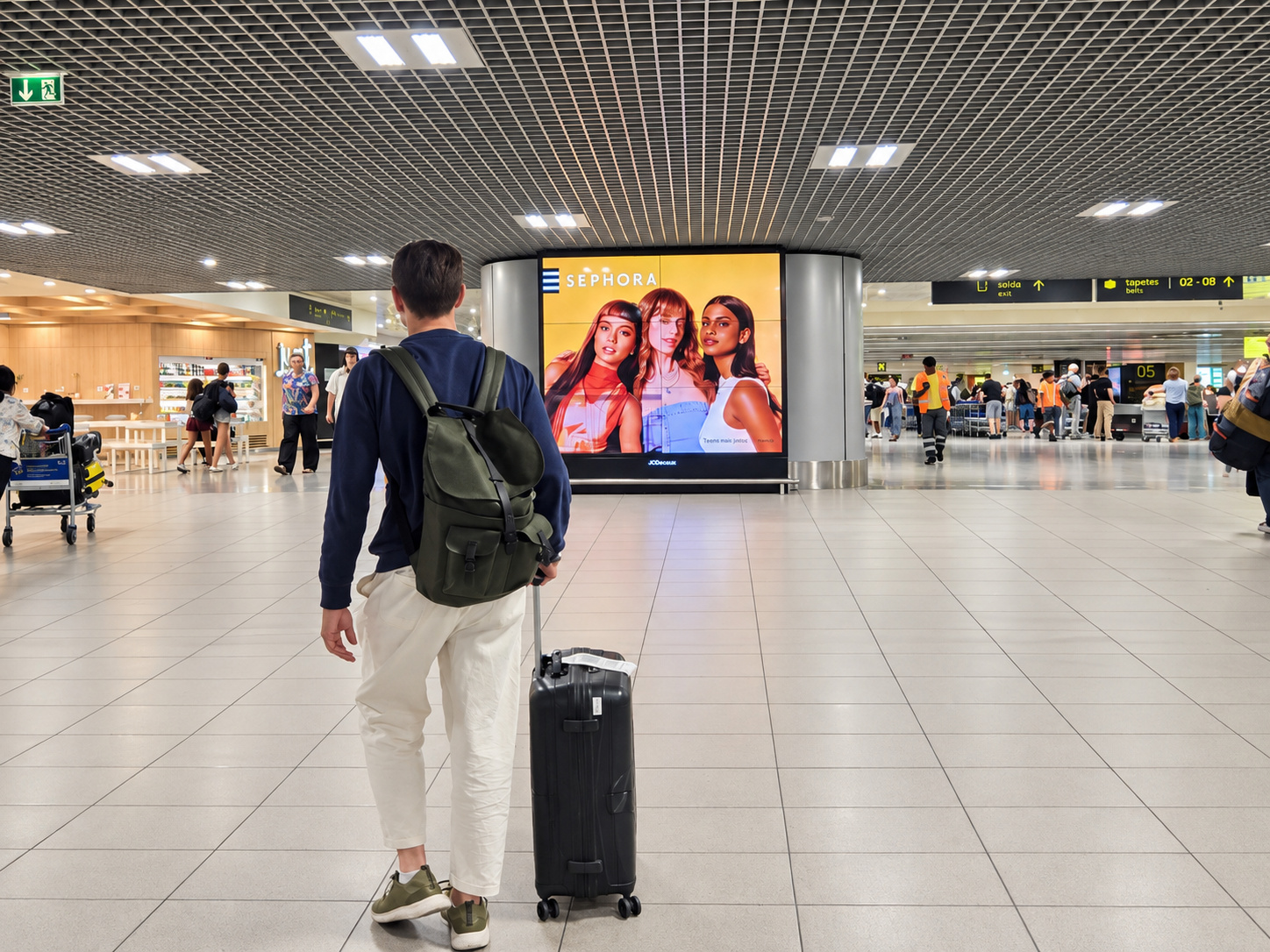
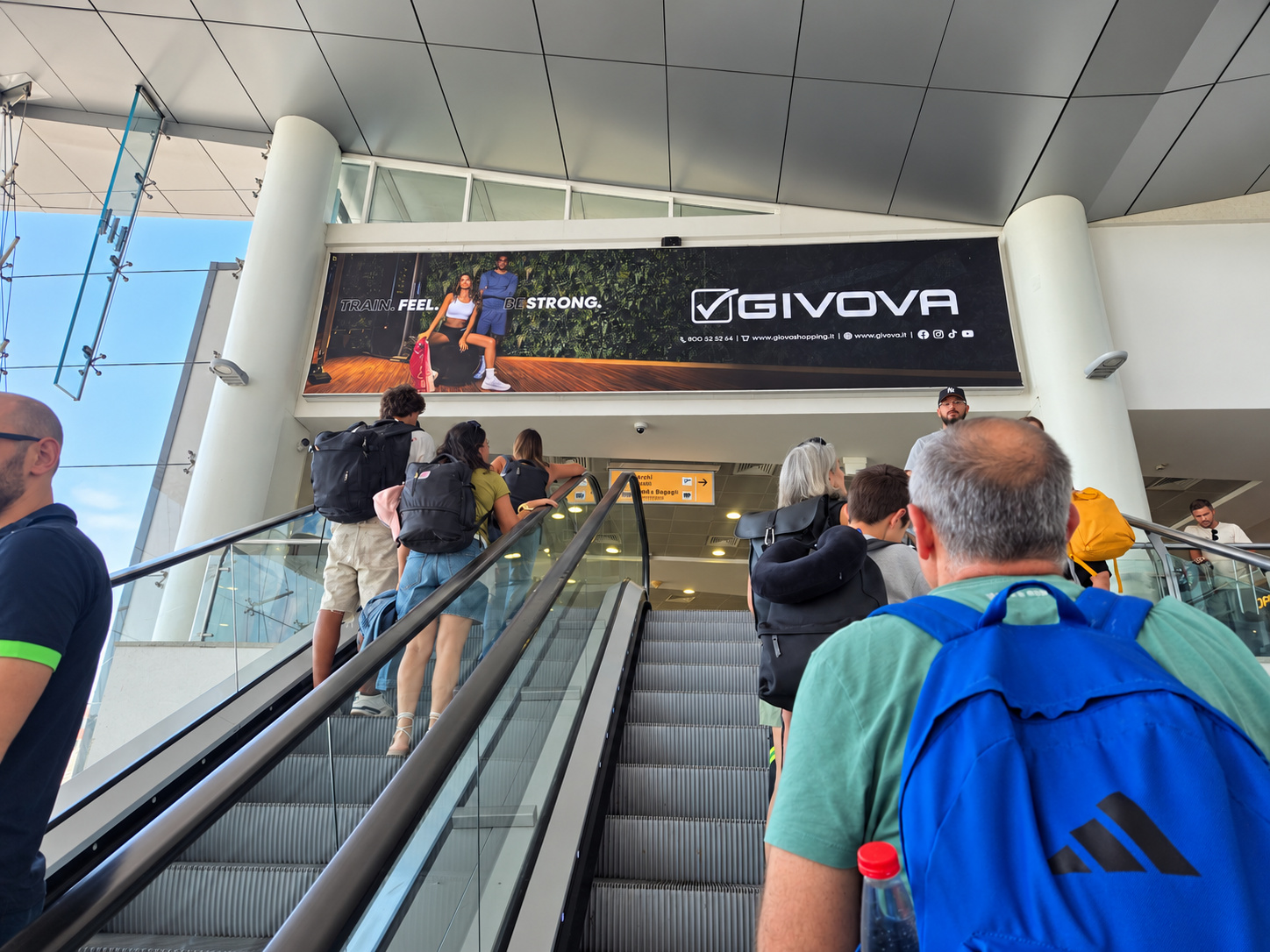
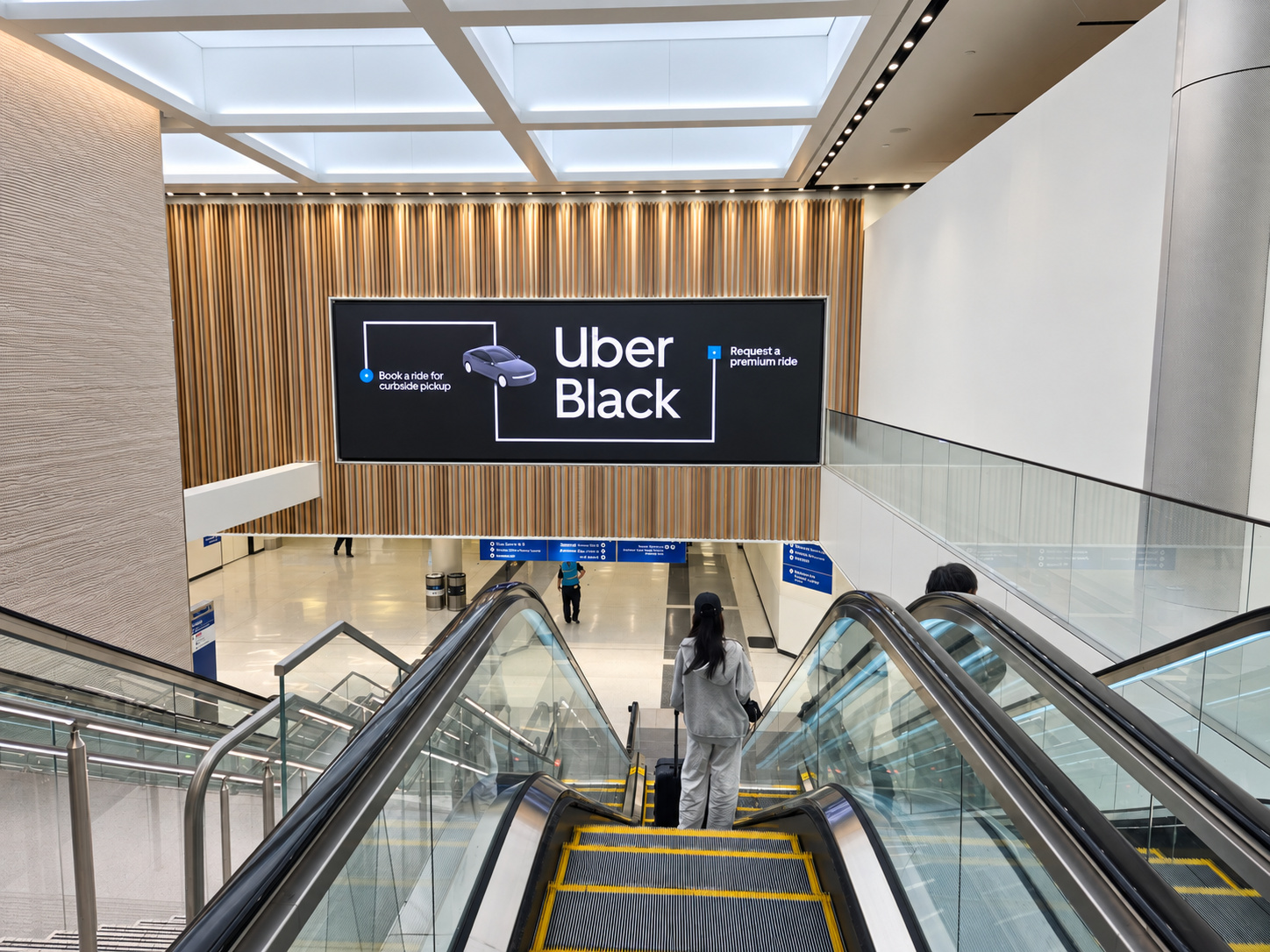
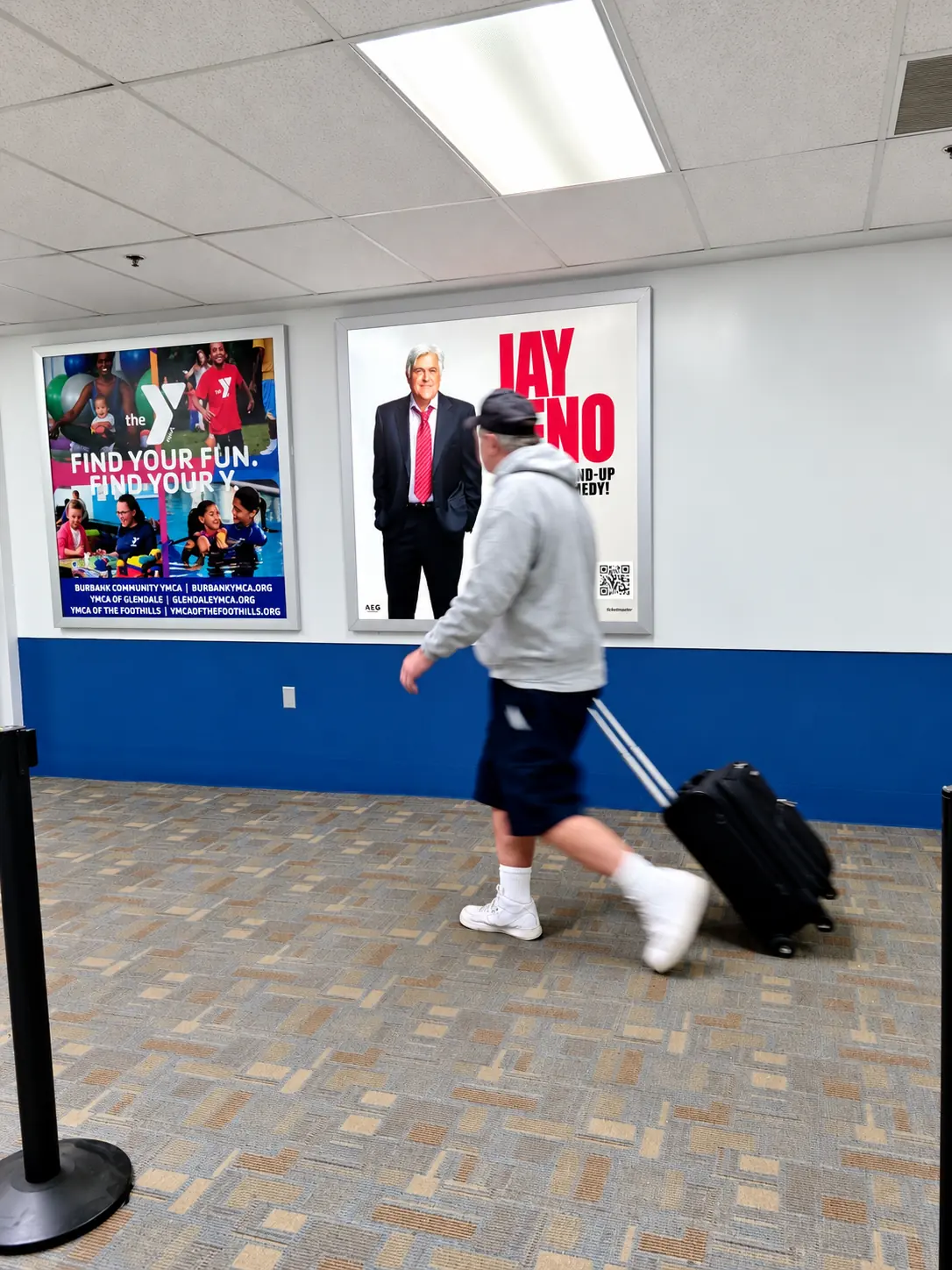
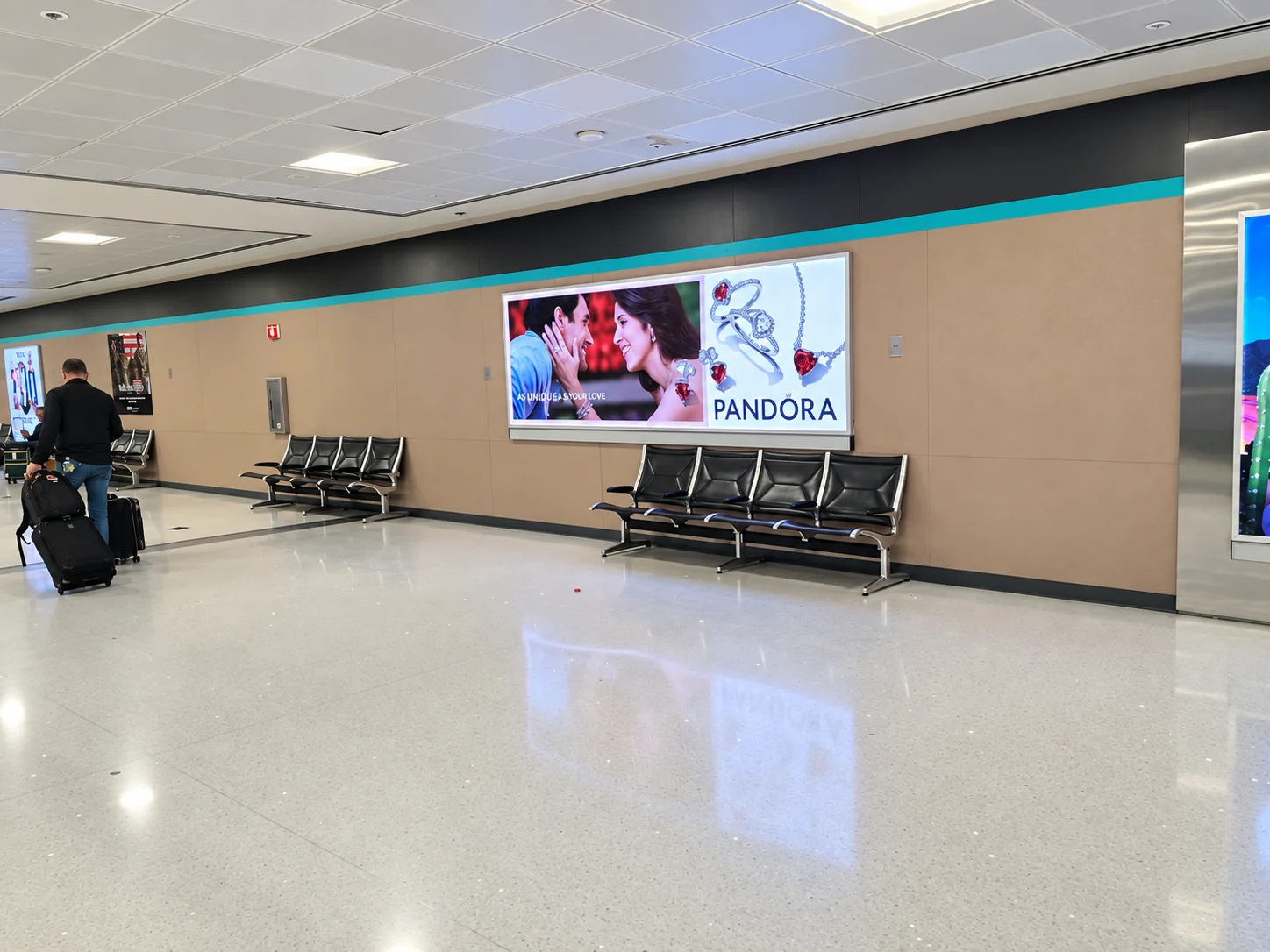
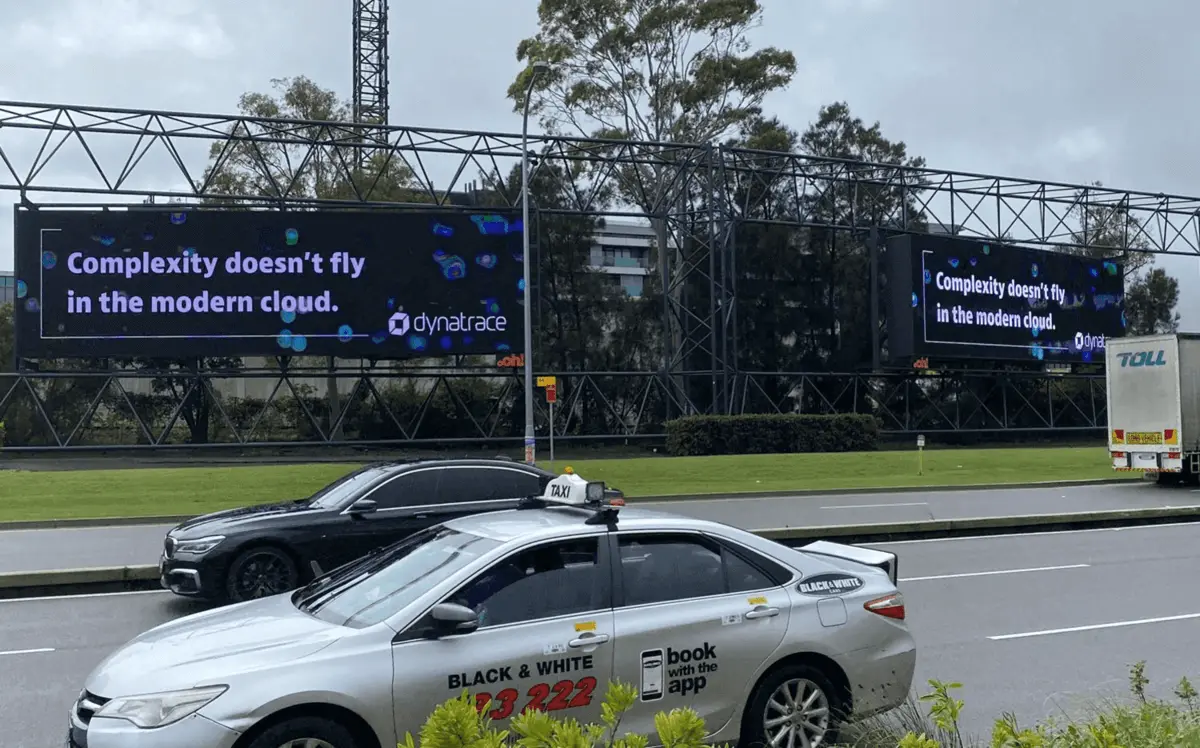
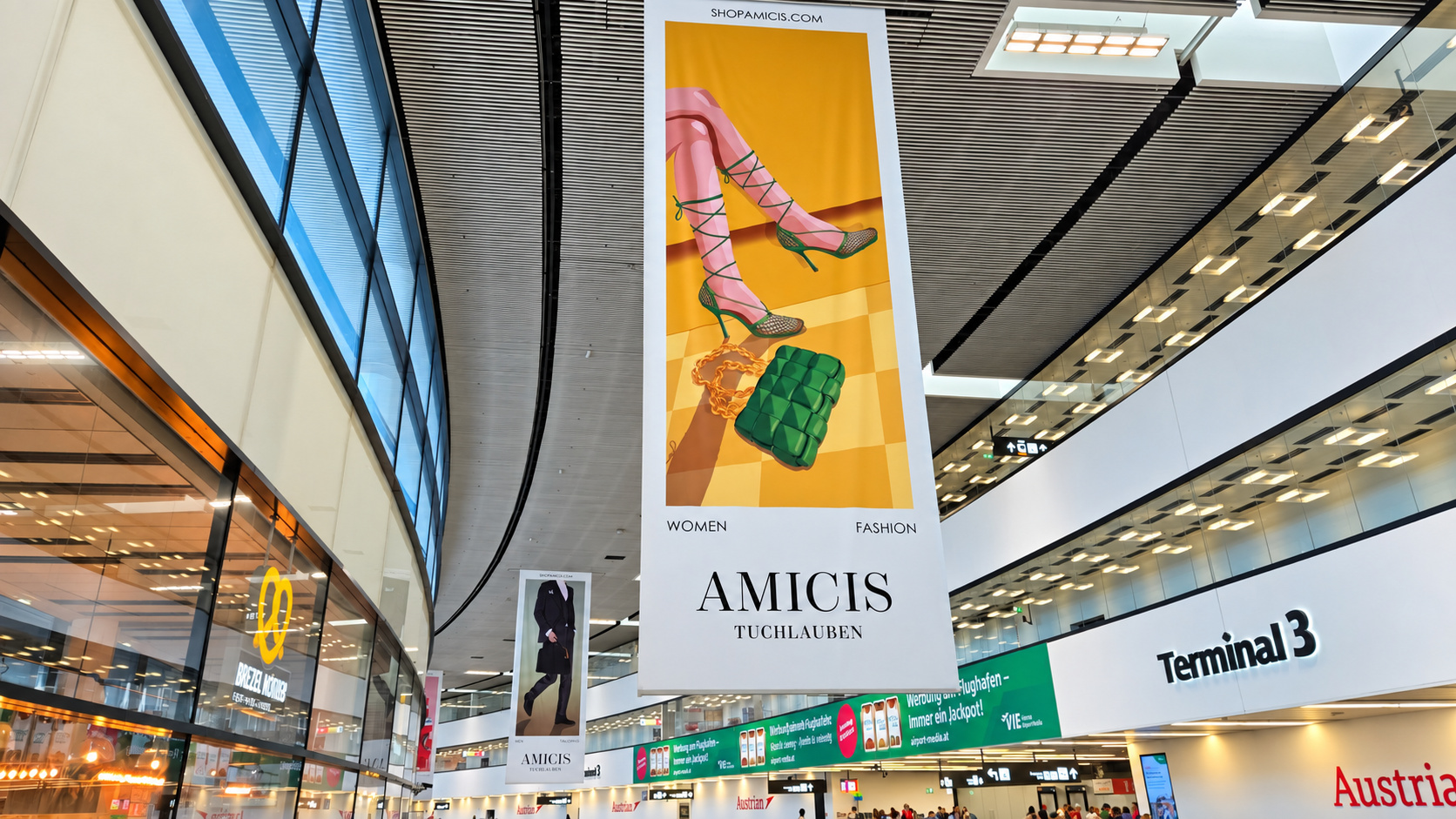
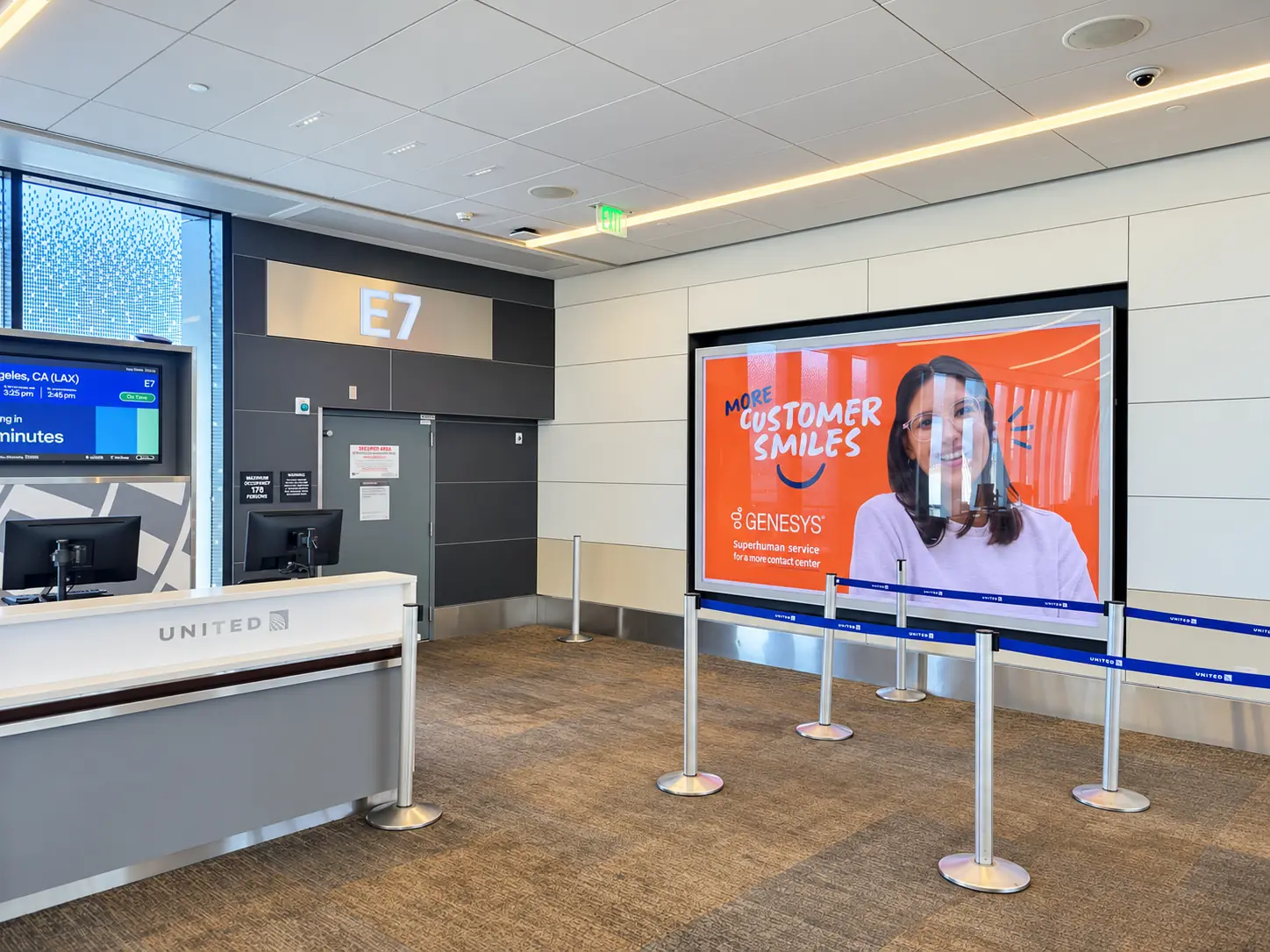
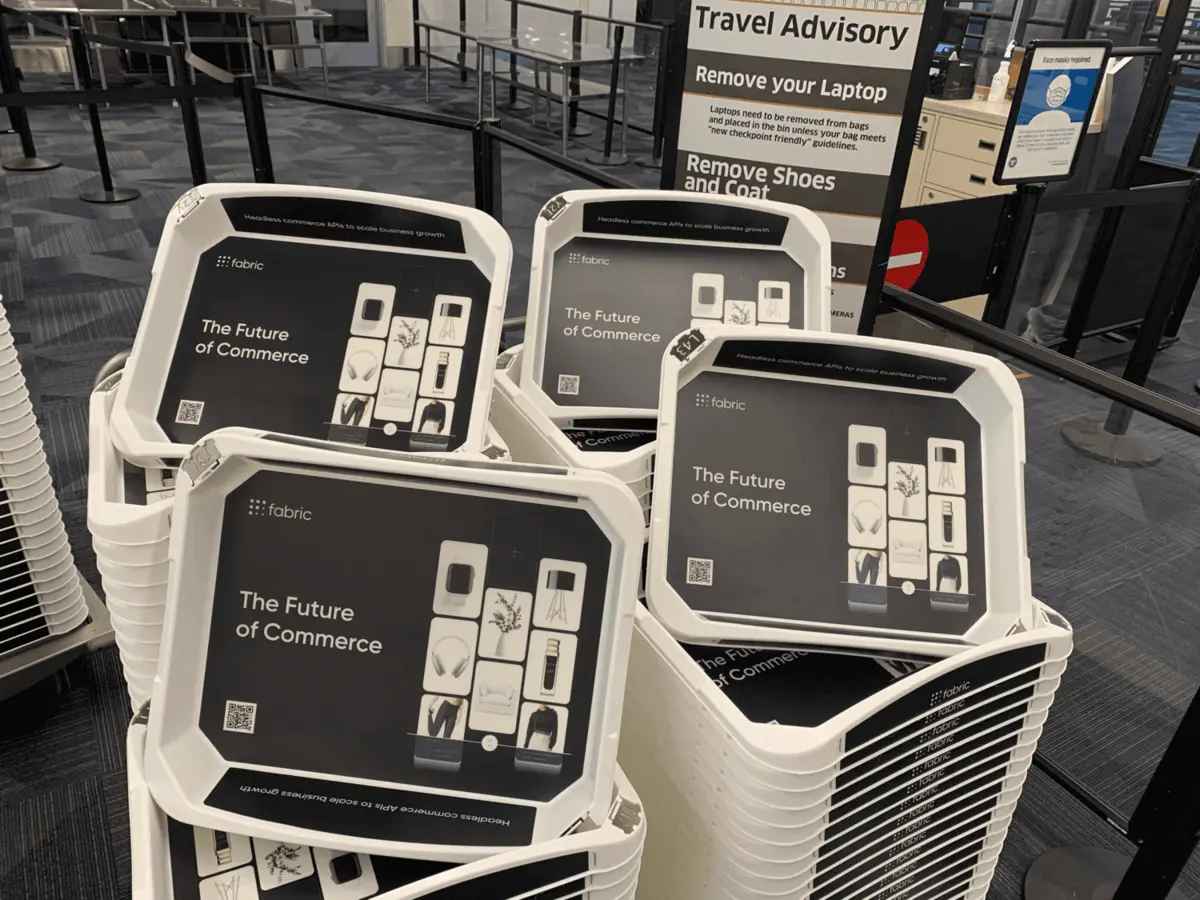
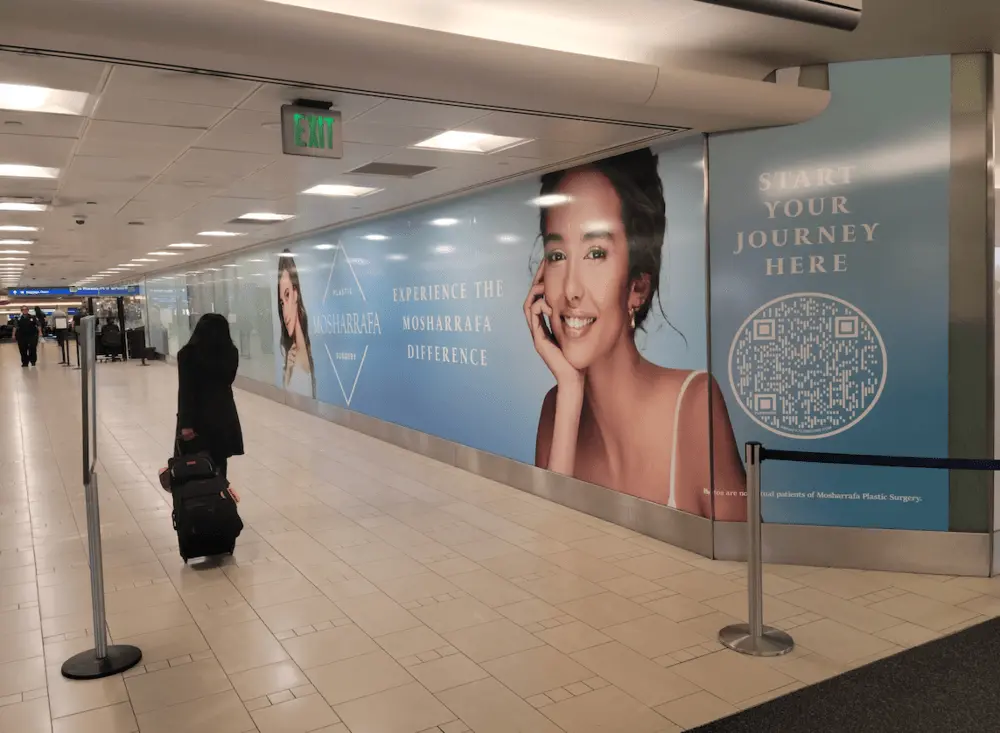
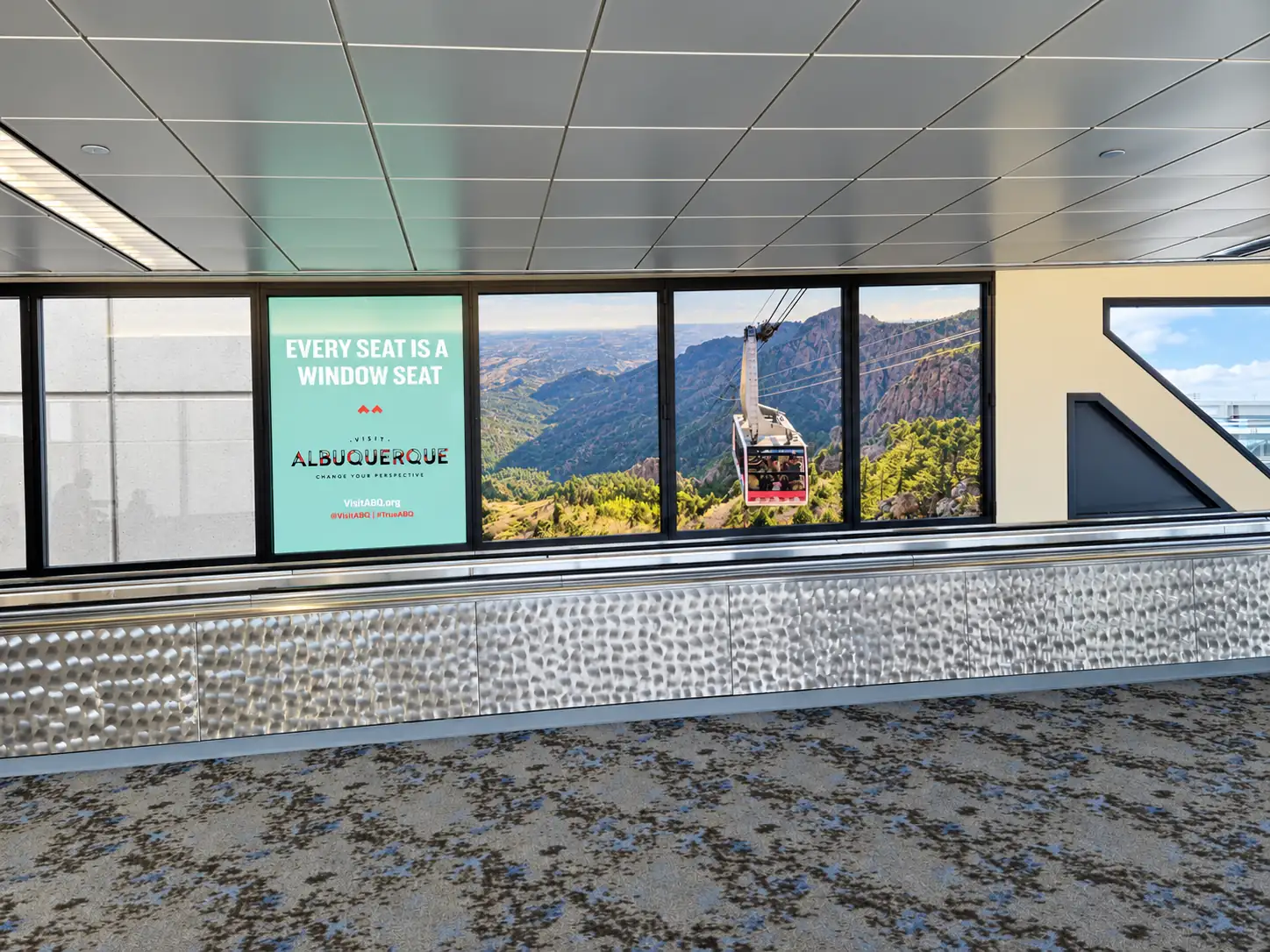
Airport advertising in practice, photographed across many airports. Availability at ORD varies by format.

Real brands. Real campaigns.

Which brands have run airport campaigns
with EAM Advertising?

Campaigns across several countries and media owners, each bought through one contract. Swipe or use the arrows for the markets, the scope, and the result.

“EAM made a nationwide airport campaign feel much easier to manage. The team was responsive, organized, and always on top of the details. They helped us make smart decisions with the budget, kept everything moving, and ultimately delivered exactly what we were looking for.”

Chief Marketing OfficerFortinet · nationwide airport campaign

These examples show past EAM campaigns—not a minimum campaign size, a forecast, or a guarantee of results. One-airport briefs are welcome, too.

Cost

What does Chicago airport
advertising cost?

$3,500–$75,000 for a single unit or network per 28-day period. $20,000–$120,000 for a two- or three-unit package per period. North of $165,000 for a domination-scale mix per period. Digital loops commonly run ten-second spots; share of voice depends on loop length (about 10% on a :100 loop, about 17% on a :60 loop). Those are planning ranges, not a rate card.

How the buying unit worksMedia is sold in 28-day periods.

Media is sold in 28-day periods. Holds expire five business days after confirmation. Digital creative is due 14–18 business days before start; static creative 21–28 days before start. Contracts are non-cancellable once signed. Creative is subject to airport authority approval. Competitive separation may be possible, but it isn’t guaranteed; ask when booking and write it into the contract. Some arrivals domination packages require a twelve-week minimum.

What a budget buys at ORD

Planning ranges. Pick the one closest to your brief and we’ll build the plan from it.

$3,500–$75,000

A single unit or network, one period

What it is
$3,500–$75,000 for a single unit or network per 28-day period.
For
A plan at this range, quoted against what is open
Plan at this budget
$20,000–$120,000

A two- or three-unit package, one period

What it is
$20,000–$120,000 for a two- or three-unit package per period.
For
A plan at this range, quoted against what is open
Plan at this budget
North of $165,000

Domination-scale mix, one period

What it is
North of $165,000 for a domination-scale mix per period.
For
A plan at this range, quoted against what is open
Plan at this budget

These are planning ranges, not packages or a rate card. Actual plans depend on the unit, the period, and what is open when you book.

Media at ORD is sold in 28-day periods (the specifications also state…Media at ORD is sold in 28-day periods (the specifications also state rates as four-week units).

Media at ORD is sold in 28-day periods (the specifications also state rates as four-week units). For a convention week, one period covering the show is the usual brief; for always-on branding, brands stack periods. Some arrivals domination packages carry a twelve-week minimum. Rates move with availability; annual increases apply to multi-year agreements.

Print and staticPrint and static.

Print and static. Tension fabric, lit fabric, dioramas, and soffit wraps are a substantial share of recommended mixes. Production, install, and removal are quoted separately — commonly a few hundred dollars on a diorama to low-to-mid five figures on a multi-unit fabric package.

Before you buy an arrivals domination packageThe published mix of roughly two dozen static units across Terminals 1–3 carries a twelve-week minimum.

The published mix of roughly two dozen static units across Terminals 1–3 carries a twelve-week minimum. It is an O&D arrivals tool, not a substitute for United or American airside frequency. Use it when people are actually entering Chicago for a multi-week stretch.

Contract realitiesContract realities.

Contract realities. Buying unit: 28-day period. Holds expire five business days after confirmation; extensions are at the contract's discretion. All rates non-cancellable once contracted. Digital creative is due 14–18 business days before start; static creative 21–28 days before start. Creative subject to final airport authority approval before production or posting. Competitive separation may be possible, but it isn’t guaranteed; ask when booking and write it into the contract. Proof of posting: print gets one close-up and one environmental photo per location within five business days of posting; digital gets the same for single units and for 10% of locations on packaged networks, plus a photo of each ad in stacked content. Annual rate increases apply to multi-year agreements. Pricing quotes are valid for 30 days from issue.

For pricing methodology across airports and tiers, see the For pricing methodology across airports and tiers, see the .

For pricing methodology across airports and tiers, see the .

What this page will not publishUnit rates and period quotes come back as a quote.

Unit rates, loop-position premiums, and period-specific quotes. Those numbers move with availability. Specific units and periods come back as a quote.

Compare all 11 units in one tableWhere, size, loop, best for
ORD units and networks
UnitWhere it reaches themFaces / sizeYour spot in the loopBest for
Multi-terminal overhead LED package~16 overhead LEDs (including double-sided faces) across Terminals 1, 2, and 3 in long-sightline corridorsMixed ~102″×62.5″ and ~124″×62″:10 / :100; one of 10, ~10% SOV; static + motionDomination building block; hub frequency across domestic core
Terminal 1 neon-tunnel approach LEDsPair of large soffit LEDs above the escalator from Concourse C toward the B/C pedestrian tunnel~300″ × 87″ class:10 / :60; one of 6, ~17% SOV; static + motionUnited connecting and O&D dwell on the iconic path
Premier concourse digital package~23 screens near lounges, gate holds, and high-traffic points across concourses~84″; 1920×1080:10 / :100; one of 10, ~10% SOV; staticFrequency across the building; corporate and always-on
Terminal 1 Concourse B tension fabricLarge overhead / wall fabric in United's B concourse retail and exhibit zones; some faces visible toward C~300″ × 144″StaticUnited hub presence; conference + branding dual use
Terminal 1 B/C connector fabricOverhead fabric on escalators to the walkway between B and C~180″ × 108″StaticUnited connectors and O&D moving between concourses
Terminal 5 rotunda fabric packageDouble-sided overhead fabric on the walkway toward international and Southwest gates~240″ × 60″; package of 2StaticInternational departures / arrivals adjacency; Southwest O&D at T5
Terminal 3 overhead fabric packagePackage of large post-security overhead displays in the American hub terminal~337–343″ × 107″; package of ~5StaticAmerican hub departures; Flag Hall / H&K adjacency when paired with lit units
Terminal 3 lit fabric (Admirals / Flag Hall)Eye-level LED-backlit fabric near Admirals Club, Flag Hall, and H&K gate retailMixed ~124–175″ widthsStaticAmerican premium dwell; B2B and financial
Terminal 3 backlit dioramasPackage of backlit dioramas at H gates near food court~62″ × 43″; package of ~4StaticLower-cost American-hub presence; package floor
Terminal 3 bag-claim soffit wrapsOverhead soffit wraps in Terminal 3 baggage claim~300″ × 26″; package of ~4StaticAmerican O&D arrivals; conference inbound on AA
Arrivals domination static package~27 static units across T1/T2/T3 at concourse exits, security exits, and bag claimVariousStaticFull O&D arrivals story — twelve-week minimum on the published package

Timing

When should you buy ORD,
and how far ahead?

For B2B and associations, the McCormick Place weeks: PACK EXPO in mid-October, ANCC Magnet at month's end, AHA and RSNA in November, the Midwest Clinic in December, then the Auto Show in February 2027. For branding, every week: the resident workforce does not wait for a show. Holidays and semester peaks add leisure and student volume.

Chicago weeks and what they mean for the buy
EventTimingWho arrivesWhat it means for the buy
Bank of America Chicago MarathonOctober 8–11, 2026Runners, families, expo visitorsConsumer and hospitality weight; arrivals and curb
PACK EXPO InternationalOctober 18–21, 2026Packaging and processing buyers; major industrial showMarquee B2B week on the near calendar. Hold early; weight T1/T3 arrivals and bag-claim soffits
ANCC Magnet & PathwayOctober 29–31, 2026Nursing leadershipHealthcare / talent inbound
AHA Scientific SessionsNovember 6–9, 2026Cardiology and cardiovascular professionalsHealthcare and device brands; T1/T3/T5 mix
IEEE SC26 (Supercomputing)November 15–20, 2026HPC and AI infrastructureTech / cloud B2B; dual direction
RSNA Annual MeetingNovember 29 – December 3, 2026Radiology and medical imaging; one of McCormick Place's largest annual drawsPeak healthcare imaging week. Hold early; arrivals domination and T5 international matter for overseas attendees
Holiday stretchLate November through early JanuaryFamilies, visiting alumni, leisureConsumer and hospitality; Marketplace-style dwell and arrivals digital
Midwest ClinicDecember 16–18, 2026Band and orchestra educatorsNiche education / arts inbound
AHR ExpoJanuary 25–27, 2027HVACR professionalsIndustrial / building-systems inbound
Chicago Auto ShowFebruary 13–21, 2027Auto shoppers and dealer / OEM trade daysAutomotive and related services; longer public run than a pure trade show
NeoConJune 13–16, 2027, THE MARTCommercial interior design, architecture, and workplace buyersDesign, furniture, and workplace-technology brands; arrivals and the River North hotel corridor
Semester peaksLate August, mid-January, MayStudents, parents, facultyUniversity and recruiting briefs; departure-side weight
Standard weeksAll other periodsMetro workforce, routine business, leisureAlways-on branding; loops less contested
Dates checked October 2026.Dates checked October 2026.

Dates checked October 2026.

EAM's TakeThe mistake at ORD is buying the hub as if every passenger were headed to McCormick Place or the Loop.

The mistake at ORD is buying the hub as if every passenger were headed to McCormick Place or the Loop. Terminal 1 concourse units reach United's connecting banks; Terminal 3 does the same for American. Bag claim, Terminal 5 after customs, and the curb face O&D passengers entering Chicago. A PACK EXPO or RSNA brief that only buys airside frequency under-reaches attendees who are here. Match direction to connecting vs landing, then pick the terminal. Midway is not a substitute for hub corporate or international inbound.

How far in advance do you need to book, and what do peak periods cost?

PACK EXPO, RSNA, and the Thanksgiving-to-New-Year stretch: hold 4–6 months out. Mid-tier McCormick Place weeks (AHA, ANCC Magnet, Auto Show): 8–12 weeks. Standard always-on periods: 4–8 weeks is usually enough. ORD prices by 28-day period rather than by a published event premium; peak weeks sell out on the arrival path first. Domination-scale arrivals packages may also require a twelve-week commitment.

ORD booking windows by period
TierExamplesHold byWhat sells firstPricing character
PeakPACK EXPO week, RSNA, Thanksgiving through New Year4–6 monthsT1 tunnel LEDs, multi-terminal overhead LEDs, T3 bag-claim soffits, large T1 fabricStandard period rates; contested availability; loops fill with travel, healthcare, and category competitors
HighAHA, ANCC Magnet, Auto Show, IEEE SC, semester starts8–12 weeksRelevant terminal arrivals and hub fabricStandard rates; terminal-specific contention
StandardAlways-on branding periods4–8 weeksMost networks openStandard 28-day rates; best for multi-period resident programs
ORD's pressure shows up as availability, not a printed Q4 surchargeORD's pressure shows up as availability, not a printed Q4 surcharge.

ORD's pressure shows up as availability, not a printed Q4 surcharge. The Terminal 1 tunnel-approach LEDs, multi-terminal overhead LEDs, Terminal 3 bag-claim soffits, and large T1 fabric faces sell first when a major show is in town. Terminal 5 fabric moves for international inbound. Twelve-week arrivals packages need earlier scoping because of the minimum.

What this page will not publishUnit-level rates, loop-position premiums, and period-specific quotes.

Unit-level rates, loop-position premiums, and period-specific quotes. Those numbers move with availability and with the period. What you can plan against: 28-day buying unit; $3,500–$75,000 for a single placement; $20,000–$120,000 for a two- or three-unit package; north of $165,000 for a domination-scale mix. Specific units and periods come back as a quote.

Ready to plan?

Start your ORD plan.
Send the brief.

Tell us who you need to reach, where, and when. We come back with current availability at every airport in the plan and a recommended mix.

Airports, start date and duration, campaign goal, budget range, and anything else you can share. A few lines is plenty.

We’ll follow up to learn who you need to reach and when, then come back with current availability and a recommended mix.

Placement

Where should your ads run
inside ORD?

On the O&D path if the audience is actually coming to Chicago; on United airside in Terminal 1 or American airside in Terminal 3 if the audience is connecting through the hub. Conference inbound weights bag claim and Terminal 5 after customs. Resident branding weights departure-side fabric and digital in T1 and T3. Arrivals domination packages need the twelve-week minimum and still do not replace hub airside frequency.

Where ads run inside ORD
StepZone and unitsWhat the passenger is doingPriority
Off the plane (domestic hub)Gate and concourse; T1 tunnel LEDs if United; T3 Flag Hall / lit fabric if American; premier digitalWalking to exit or to a connectionMedium for O&D; high for connecting-audience briefs
Security exit / concourse exitArrivals domination statics; overhead fabricLeaving secure area toward bag claimHigh for O&D
Baggage claimT3 soffit wraps; other terminal bag-claim faces; arrivals package unitsWaiting for bags; extended dwellHighest for conference inbound and hospitality
Terminal 5 after customsT5 rotunda fabric; post-inspection path to curbClearing immigration; collecting bags; choosing ground transportHighest for international inbound
Ground transportation and curbCurb and roadway-adjacent units where offeredChoosing ride-hail, Blue Line, rental car, hotel shuttleHigh; last read before Loop or McCormick Place
Departure sideT1/T3 ticketing-to-gate fabric and digital; premier screens; tunnel approachCheck-in, security, dwell before the bankHigh for resident, recruiting, university, and corporate branding
ORD is four terminals, not one readORD is four terminals, not one read.

ORD is four terminals, not one read. Passengers connect airside among Terminals 1–3 for many domestic itineraries; Terminal 5 links by ATS or transfer bus. The placement mistake is treating "ORD" as a single face. Terminal and direction decide who sees the unit.

Direction follows the objectiveDirection follows the objective.

Direction follows the objective. A convention buy is arrival-weighted on the inbound days (bag claim, soffits, T5 after customs, arrivals domination when the minimum fits) with light hub airside presence if attendees are on United or American. A resident branding buy is departure-weighted: T1 and T3 fabric, premier digital, and the tunnel-approach LEDs. An international inbound buy starts after federal inspection at Terminal 5. An airside-only United buy will overstate local reach on a city brief.

Terminal moves and capital workAirline assignments shift among Terminals 2, 3, and 5.

Airline assignments shift among Terminals 2, 3, and 5. Expansion and refresh programs reassign holdrooms and circulation. Confirm unit locations and airline maps against the current plan at contract, not against last year's deck.

Why ORD

Why do brands advertise at
Chicago O'Hare (ORD)?

Because United's Midwestern hub and McCormick Place's calendar share one airport, while Midway takes the Southwest and leisure share. Eighty-five million passengers a year move through four terminals; United leads, American runs a second hub in Terminal 3. Brands buy the resident metro on the departure side and the convention inbound on arrivals — and they plan around which passengers actually leave the airside.

ORD is Chicago's primary international gateway and one of the busiest…ORD is Chicago's primary international gateway and one of the busiest U.S.

ORD is Chicago's primary international gateway and one of the busiest U.S. airports by passenger volume. In 2025 the Chicago Department of Aviation reported 84,856,018 passengers, up 5.97% from 2024 — about 70.0 million domestic and 14.8 million international. December 2025 moved about 6.69 million passengers, consistent with the media specifications' monthly figure of roughly 6.67 million. United is the dominant carrier; American is number two. Southwest's Chicago base is weighted toward Midway rather than O'Hare.

What makes the buy specific is the hub structure plus the cityWhat makes the buy specific is the hub structure plus the city.

What makes the buy specific is the hub structure plus the city. United banks traffic through Terminal 1 (Concourses B and C, linked by the neon pedestrian tunnel). American concentrates in Terminal 3 (Concourses G, H, K, L). Most international arrivals clear federal inspection in Terminal 5. A material share of United and American traffic is connecting — concourse and tunnel-adjacent units reach people who may never enter Chicago, while bag claim, Terminal 5 after customs, and the curb face only the O&D passenger. Confirm connecting shares against a primary CDA or carrier source before quoting percentages in sales materials.

McCormick Place on the Near South Side offers about 2.6 million square…McCormick Place on the Near South Side offers about 2.6 million square feet of exhibition space — the largest…

McCormick Place on the Near South Side offers about 2.6 million square feet of exhibition space — the largest convention campus in North America. Its calendar changes who is in the building: PACK EXPO, RSNA, AHA, ANCC Magnet, the Chicago Auto Show, and NeoCon in June. Holidays and university calendars add leisure and student traffic.

Audience

Who actually flies
through ORD?

84.9 million passengers in 2025 across four terminals. United dominates Terminal 1. American dominates Terminal 3. Terminal 5 clears most international arrivals. Terminal 2 holds Air Canada, JetBlue, and mixed feed. The useful audience for a conference brief is the industry landing that week; for a branding brief it is the metro workforce and students who depart every week. Midway handles a separate Southwest-heavy leisure base of roughly 19 million passengers a year — different airport, different brief.

ORD terminals and airlines
TerminalAirlines (as of flychicago / public guides; confirm at contract)What it means for the buy
Terminal 1United (domestic and international departures); Star Alliance partners as assignedUnited hub heart; Concourses B and C linked by the neon tunnel. Highest United dwell; conference and corporate traffic on UA concentrates here
Terminal 2Air Canada, JetBlue; selected regionals and mixed domestic (confirm Alaska / Spirit ticketing vs gate splits)Canada and East Coast / leisure-leaning O&D; useful when the audience is not on United or American
Terminal 3American Airlines hub (G, H, K, L); Spirit, Frontier, Alaska mixes as assigned (confirm at contract)American hub; Flag Hall, Admirals Club-adjacent lit fabric, H-gate food court. Second hub bank for conference and corporate briefs
Terminal 5Most international arrivals after federal inspection; Delta, Southwest, and other carriers as assigned; many foreign-flag departuresCustoms and the first public read for long-haul arrivals; international inbound and selected low-cost O&D. ATS / transfer bus link to T1–T3
Business travelers in an airport terminal

Business decision makers and corporate travelers (year-round)

United and American bank Midwest, coastal, and international corporate traffic through Terminals 1 and 3. Lounge entries and high-dwell concourse retail are the physical reminder that this is a frequent-flyer building. Always-on B2B, financial, SaaS, and industrial brands weight departure-side dwell here.

Conference travelers in an airport terminal

Convention and association inbound (event weeks)

PACK EXPO, RSNA, AHA Scientific Sessions, ANCC Magnet, IEEE SC, the Chicago Auto Show, and the rest of the McCormick Place slate. They fly the hub carriers into T1 and T3, and international exhibitors into T5. One 28-day period covering show week is the natural buy; arrival-side bag claim, soffit wraps, and Terminal 5 after customs do the inbound day.

Leisure travelers in an airport terminal

International visitors (year-round, heavier in summer and holidays)

About 14.8 million international passengers in 2025. Long-haul arrivals clear primarily through Terminal 5. Public advertising reaches them after federal inspection at bag claim and the curb, not at the gate. Departure-side units in T1 and T3 reach outbound long-haul and domestic connectors, not the inbound customs path.

Business travelers in an airport terminal

Chicago metro residents and the employer base (year-round)

The Loop and suburban corporate corridors use ORD as the weekly departure door for finance, consulting, manufacturing, healthcare, and professional services. Recruiting, employer brand, healthcare, and wealth campaigns live on the departure side in T1 and T3.

Students and alumni in an airport terminal

Students and universities (semester peaks)

University of Chicago, Northwestern, UIC, DePaul, Loyola, and IIT send and receive students every August, January, and May. Out-of-state programs recruit here; alumni campaigns hit the same terminals. Education brands EAM has placed in airports include Wharton, BYU, the University of Michigan, the University of Pittsburgh, and UT Dallas.

Terminals 1–3 connect airside for many domestic connectionsTerminals 1–3 connect airside for many domestic connections.

Terminals 1–3 connect airside for many domestic connections. Terminal 5 is reached by the Airport Transit System or transfer bus; international arrivals who are ending the trip exit after customs to bag claim and ground transportation. Connecting passengers on United typically stay in Terminal 1; American connectors stay in Terminal 3. Public advertising at bag claim and the curb does not reach those banks.

Who advertises

What kinds of brands advertise at ORD,
and what are they trying to do?

Industrial and packaging brands around PACK EXPO, healthcare and imaging around RSNA and AHA, universities recruiting and alumni, financial and wealth brands on the United and American departure side, conference exhibitors on arrival weeks, destination and hospitality catching Loop and Near South visitors, and arrival-moment services at bag claim. The spine's two audiences — resident branding and McCormick Place inbound — lead the plan.

How brands use ORD
ObjectiveWho buys itWho it reaches at ORDWhat the buy usually looks like
Conference inboundExhibitors and sponsors at PACK EXPO, RSNA, AHA, Auto Show trade daysTheir industry, arriving into T1/T3/T5One 28-day period covering show week; bag claim + soffits; T5 after customs for international attendees
Account-based / B2B presenceSaaS, cybersecurity, industrial, professional servicesUnited and American hub corporate travelersT1 tunnel LEDs and premier digital; multi-period; T3 lit fabric for AA-heavy accounts
Recruiting and employer brandHealthcare systems, manufacturers, consultancies, corporate HQ corridorMetro workforce departing; candidates flying inDeparture-side T1/T3 fabric and digital; semester and always-on
Universities and executive educationUChicago, Northwestern, UIC, DePaul, out-of-state programsStudents, parents, alumni, working professionalsDeparture weight at semester peaks; peer brands already use airports
Healthcare and specialty careChicago and regional health systems, device and imaging brandsResidents, RSNA/AHA/ACEP inbound, visiting familiesAlways-on digital + show-week arrivals
Financial and wealthBanks, wealth managers, fintech, exchangesHub frequent flyers; convention decision makersT1/T3 premium dwell; Admirals-adjacent and lounge-path units
Destination and attractionsChoose Chicago, museums, sports, hospitalityO&D leisure and cultural visitorsArrivals path, holidays, Marathon week
Arrival-moment servicesHotels, ride-hail, rental cars, CTA Blue Line / ground transportArriving O&D deciding how to reach the Loop or McCormick PlaceBag claim and curb; always-on
International inboundAirlines, telecom, retail, destination brandsLong-haul arrivals after customs at T5T5 fabric and post-customs path; summer and holidays
Launch or brand momentProduct launch, new route, headquarters announcementFull building for a periodOverhead LEDs + hub fabric + arrivals package
On the hub vsOn the hub vs.

On the hub vs. the city. Decision makers who live or work in Chicago: overweight bag claim, Terminal 5 after customs, and the curb. United's or American's connecting network: concourse frequency is fine, knowing a share of impressions never enter the city. Say which brief you have before picking units.

On MidwayOn Midway.

On Midway. Southwest-heavy leisure and point-to-point traffic concentrates at Midway (~19 million passengers in 2025). When the brief is that audience, ORD is the wrong primary airport. When the brief is hub corporate, international inbound, or McCormick Place, ORD is the buy. EAM scopes both when a Chicago plan needs both.

On healthcare and industrial showsOn healthcare and industrial shows.

On healthcare and industrial shows. RSNA, AHA, and ANCC Magnet make ORD a recurring healthcare media market; PACK EXPO does the same for industrial packaging. Do not wait for show week if the brief is local talent and reputation among the metro employer base.

For Midwest reach, DTW and MSP add inventory, and EAM buys them as one…For Midwest reach, DTW and MSP add inventory, and EAM buys them as one plan when a brief needs it.

For Midwest reach, DTW and MSP add inventory, and EAM buys them as one plan when a brief needs it. That is a scoping conversation, not something this page needs to argue.

How EAM works

How does EAM run
an ORD campaign?

One call, one plan, one contract. We follow up to learn who you need to reach and the objective, then come back with current availability and a recommended mix.

  1. Step 01

    Scope the week.

    McCormick Place show or always-on metro; which terminal and airline the audience uses; arrivals, departures, or both; whether connectors count; ORD only or part of a Midwest / dual ORD–Midway plan.

    You getThe period, the audience, and the direction

  2. Step 02

    Check avails and loop position.

    Which networks are open for the 28-day period, how crowded the :100 and :60 loops are, whether a twelve-week arrivals package minimum applies, Terminal 5 versus T1/T3 path, and whether category separation within a medium is possible.

    You getAvailability and loop position

  3. Step 03

    Quote the mix.

    Formats, share of voice, and a range, not a scraped rate card. After we know who you need to reach, we come back with current availability and a plan you can take inside.

    You getA quoted plan you can take inside

  4. Step 04

    Contract and traffic creative.

    Digital creative is due 14–18 business days before start; static creative 21–28 days before start.

    You getOne contract and one spec sheet

  5. Step 05

    Go live and close the loop.

    Confirm posting before the first arrival wave. Deliver proof of posting and play logs after the flight.

    You getProof of posting and play logs in one report

Why an independent agency

EAM Advertising is an independent airport and in-flight media agency, founded in 2015. We specialize in airport and in-flight media and nothing else, and we do not own media assets at ORD or any airport. That independence is why the recommendations hold up. We plan and buy across 125+ airports and 45+ airlines worldwide, which is the leverage and the current-availability knowledge a one-time ORD buyer does not have. Clients include Fortinet, Dynatrace, Rubrik, McGraw-Hill, and Wharton. When the strategy extends beyond Chicago — a roadshow, a multi-city launch, an international push — the same relationship covers the other markets. See the airport advertising hub.

For agencies and consultants

Your client. Your plan.
We handle the airports.

Agencies and consultants bring EAM Advertising in as the airport specialist behind a client’s plan. The client relationship stays with you. We plan, buy, and report under NDA, and can work white-label.

Get our media kit
  • Your client stays yours.We work behind your team, not around it.
  • White-label and NDA.Plans and reporting can go out under your name.
  • One contract, one invoice.Every airport and media owner in the plan, under one set of terms.
  • Numbers before the client commits.Current availability and planning ranges at the proposal stage.

Measurement

How do you measure
an ORD campaign?

Proof of posting and digital play logs are factual. Delivered impressions are modeled. Brand lift is the only method that speaks to effect, and it has to be fielded before the flight. Direct pipeline attribution is not reliably available. A hub's concourse impressions overstate the local audience; bag-claim and Terminal 5 buys size closer to people actually in Chicago.

What can and can’t be measured
MeasureWhat It Actually Tells YouWhen to Set It UpConfidence
Proof of postingPhotographic confirmation that every unit ran, in the right place, for the full period. Print: one close-up and one environmental per location within five business days. Digital: same for single units; 10% of locations on packaged networks; photo of each ad in stacked content.Written into the contract before signingHigh — factual
Delivered impressionsModeled audience delivery based on airport traffic and unit position. An estimate built from traffic data, not a count of people who looked.Requested at proposal stageModerate — modeled
Digital play logsActual spot counts and share of voice on digital networks. The check on whether the loop crowding you planned against actually materialized.Requested at contractingHigh — logged
Brand lift studySurvey-based awareness or perception change against a control. The only method that measures effect rather than exposure.Fielded pre-flight for a baselineModerate — needs budget and lead time
Direct attribution to pipelineNot reliably available. Airport media has no click, and the same brands run other touchpoints at the same time.Low — treat claims here with skepticism
Delivered impressions at ORD are modeled from traffic (about 6.67–6.69…Delivered impressions at ORD are modeled from traffic (about 6.67–6.69 million monthly passengers) and unit position…

Delivered impressions at ORD are modeled from traffic (about 6.67–6.69 million monthly passengers) and unit position — audience sizing, not verified views. Play logs check whether the loop crowding you planned against (about 10% on :100 loops, about 17% on the :60 tunnel-approach pair) actually held.

What the hub makes possible (and what it doesn't)A McCormick Place week gives a defined population for a pre/post attendee survey.

A McCormick Place week gives a defined population for a pre/post attendee survey. A resident program can use a Chicago geo-targeted panel. Concourse-only reporting on a United or American bank counts connectors who never saw the Loop — fine for a network brief, misleading for a city brief. Choose the unit set before the measurement story.

Honest framing for anyone defending this spend: proof of posting and…Honest framing for anyone defending this spend: proof of posting and play logs prove the campaign ran as bought,…

Honest framing for anyone defending this spend: proof of posting and play logs prove the campaign ran as bought, delivered impressions size the audience, and a lift study is the only line that speaks to effect. A vendor promising attributed pipeline from airport media is overselling. EAM contracts proof of posting and delivery reporting as standard and will say when a proposed approach won't produce a number worth presenting.

Questions

Frequently asked
questions about ORD

How much does it cost to advertise at Chicago airport (ORD)?

A single unit or network runs $3,500 to $75,000 per 28-day period, depending on format and availability. A two- or three-unit package runs $20,000 to $120,000 per period. A domination-scale mix runs north of $165,000 per period. Production, install, and removal are quoted separately. Those are planning ranges; specific units and periods are quoted against current availability.

How is ORD airport advertising sold?

In 28-day periods. Digital networks commonly run ten-second spots; loop lengths include :100 on multi-terminal LED and premier packages (about 10% share of voice) and :60 on the Terminal 1 tunnel-approach LED pair (about 17%). Holds expire five business days after confirmation. Digital creative is due 14–18 business days before start; static creative 21–28 days before start. Contracts are non-cancellable once signed. Creative requires airport authority approval. Some arrivals domination packages require a twelve-week minimum.

Which terminal should I advertise in at ORD?

The one your audience's airlines use. United concentrates in Terminal 1. American concentrates in Terminal 3. Most international arrivals clear through Terminal 5. Terminal 2 holds Air Canada, JetBlue, and mixed feed. Confirm the current airline map at contract — assignments shift.

Can I reach connecting passengers at ORD?

Yes, on airside concourse, tunnel-approach, and gate-hold units in Terminals 1 and 3 — and that is often most of a United or American bank. Connecting passengers typically never see Terminal 1–3 bag claim exits, Terminal 5 after customs, or the curb. If your brief is people actually in Chicago (McCormick Place attendees, hotel guests, metro residents), weight the O&D path. If your brief is the hub network, airside frequency is the point.

Can ORD advertising reach international arrivals?

Yes, after federal inspection. International arrivals reach public advertising at Terminal 5 bag claim and the curb, not at the gate. For a long-haul inbound brief, T5 units matter; Terminal 1 and 3 airside units reach international departures and domestic connectors instead.

How far in advance should I book ORD for PACK EXPO or RSNA?

PACK EXPO (October 18–21, 2026) and RSNA (November 29 – December 3, 2026): plan to hold four to six months out. Mid-tier McCormick Place weeks: eight to twelve weeks is usually enough. Always-on periods are often workable at four to eight weeks.

Is ORD good for B2B advertising?

Yes — as a hub branding buy year-round and as a conference buy when your industry is at McCormick Place. PACK EXPO and RSNA are the marquees on this fall's calendar, with the Auto Show and NeoCon in 2027. Outside show weeks, B2B messages work when they target the metro employer base and United/American corporate traffic, not when they assume every passenger is a local decision maker.

Should I buy ORD or Midway for Chicago?

ORD is the hub and international story — United, American, McCormick Place inbound, long-haul arrivals. Midway is the Southwest-heavy leisure and point-to-point story. Many Chicago briefs need ORD; some leisure briefs need Midway or both.

Do universities advertise at ORD?

Yes. University of Chicago, Northwestern, UIC, DePaul, Loyola, and out-of-state programs recruiting Chicago students, plus alumni campaigns around commencement and reunion. Education brands EAM has placed in airports include Wharton, BYU, the University of Michigan, the University of Pittsburgh, and UT Dallas. Natural periods are late August, mid-January, and May.

When is creative due for an ORD flight?

Digital creative is due 14–18 business days before start; static creative 21–28 days before start. Multi-format buys often include wide LED soffits, landscape LCD screens, and large static sizes for fabric or wraps. All creative is subject to airport authority approval before production or posting.

Competitive separation may be possible, but it isn’t guaranteed; ask when booking and write it into the contract.

Competitive separation may be possible, but it isn’t guaranteed; ask when booking and write it into the contract. Within a medium, the contract reserves the right to determine separation based on the client's creative and promotion. Competitive separation may be possible, but it isn’t guaranteed; ask when booking and write it into the contract.

What does EAM handle on an ORD campaign?

Everything after the objective. We check what's open for the week, which loops are crowded and which units will sell out, and where on the arrival path your audience actually walks. We recommend the mix, secure the units, traffic the creative through airport approval, confirm posting on day one, and deliver proof of posting and play logs after. If ORD is one market in a larger plan, the same relationship covers the others.

Independent airport advertising media agency. Est. 2015.

One airport or twelve.
Start with the media kit.

Send your work email for the media kit: formats, planning ranges, and how EAM works. We’ll follow up to learn who you need to reach and when, then come back with current availability and a recommended mix.

We’ll follow up to learn who you need to reach and when, then come back with current availability and a recommended mix.

Independent since 2015 · 125+ airports · 40+ media vendors

Sources

Sources and
methodology

  1. Passenger statistics: Chicago Department of Aviation — ORD December 2025 / YTD summary — 84,856,018 total passengers in 2025 (+5.97% vs. 2024); ~70.0M domestic; ~14.8M international; December 2025 monthly ~6,687,416.
  2. Carrier shares: BTS T-100 / published ORD dashboards — United ~37% of CY2025 enplaned passengers on a mainline operating-carrier basis; American ~21%; Express-inclusive two-way shares run higher. Use for structure; confirm percentage claims against a primary CDA or carrier source before sales use.
  3. Terminal and airline assignments: flychicago.com ORD airline / terminal directories and connecting-traveler pages (T1 United; T3 American; T5 international arrivals). Confirm at contract; assignments shift.
  4. McCormick Place: Metropolitan Pier and Exposition Authority boilerplate — largest convention campus in North America; ~2.6 million sq ft exhibition space.
  5. Event dates: Choose Chicago convention calendar — Chicago Marathon Oct 8–11, PACK EXPO Oct 18–21 (packexpointernational.com), ANCC Magnet Oct 29–31, AHA Nov 6–9, IEEE SC26 Nov 15–20, RSNA Nov 29–Dec 3, Midwest Clinic Dec 16–18, 2026. Auto Show Feb 13–21, 2027 (chicagoautoshow.com)., RSNA Nov 29–Dec 3, 2026 (rsna.org). AHR Expo Jan 25–27, 2027. NeoCon June 13–16, 2027 (neocon.com).
  6. Midway context: City of Chicago / Midway ACFR reporting — Midway served more than 19.4 million passengers in 2025 (Southwest-heavy leisure / point-to-point lean). Used only to frame the ORD vs MDW split.
  7. Unit rates are not published on this page. Terminal assignments change; verify against the airport's current map when planning.
  8. Pricing ranges and booking windows: EAM Advertising planning and buying data, 2015–2026.
  9. University context: public enrollment and presence of University of Chicago, Northwestern, UIC, DePaul, Loyola, IIT for audience framing.
  10. Competitive separation may be possible, but it isn’t guaranteed; ask when booking and write it into the contract.
  11. Pricing ranges on this page are planning ranges, not a rate card. Unit rates are not published. Hero photographs are format-library examples, not photos taken at this airport.