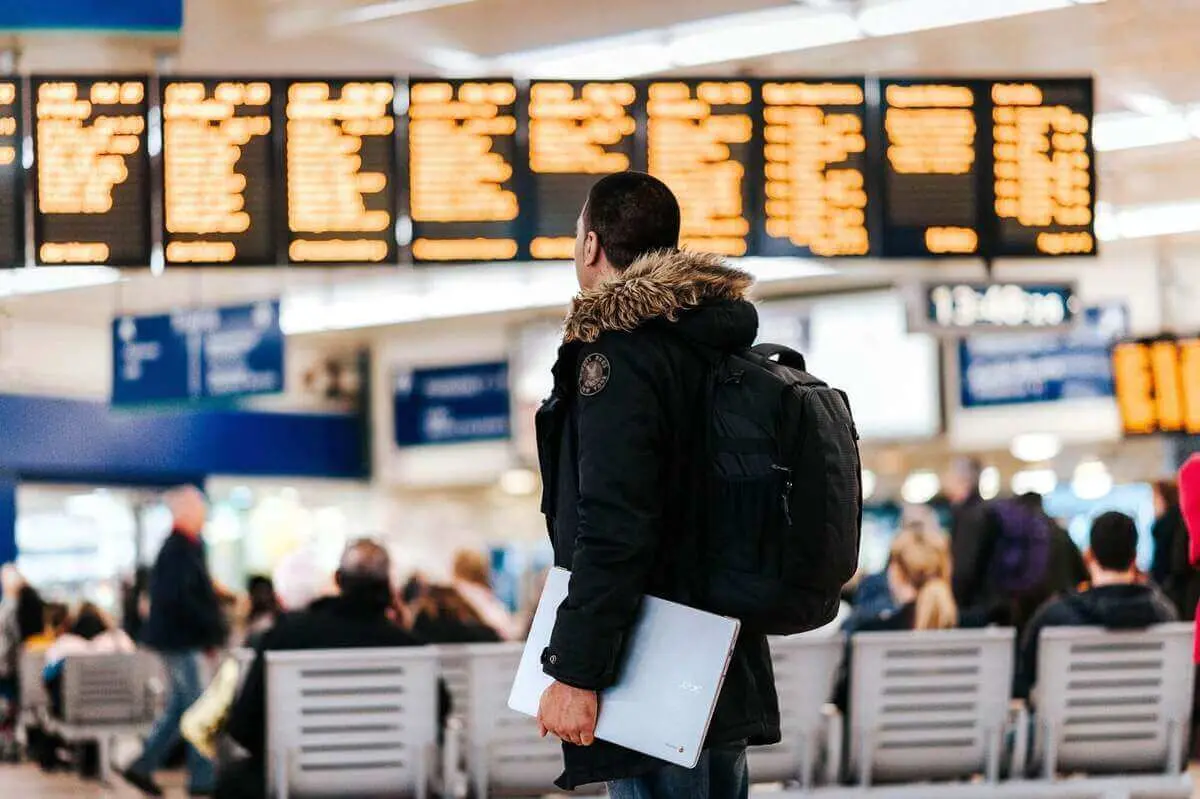
Airport advertising at Miami International Airport (MIA) Miami, Coming and Going.

55 million passengers a year: Miami’s residents, students, and businesses flying out, and the visitors, executives, and families flying in, with Art Week and the Grand Prix on top. Get the MIA media kit for formats, planning ranges, and booking windows.

We’ll follow up with the kit and next steps for your campaign.

  • 125+Airports worldwide
  • 40+Media vendors
  • 55.3MMIA passengers in 2025

You’re in good company

  • Thomson Reuters
  • Invest in Canada
  • Dynatrace
  • Fortinet
  • Motorola
  • BYU

At a glance

Miami airport advertising
at a glance

MIA is American’s Latin America and Caribbean gateway and Miami-Dade’s primary airport. It is a connecting hub with a dense local origin-and-destination base. The cruise-port story belongs on the Fort Lauderdale page.

  1. 1

    Miami-Dade Aviation Department reported 55,314,661 passengers in 2025, used here as 55.3 million: about 30.5 million domestic (30,464,597) and about 24.9 million international (24,850,064). The airport ranks about eighth in the U.S. for total passengers and second for international passengers. American’s 2025 hub fact sheet puts American at about 62% of MIA commercial passenger traffic. American describes Miami as its third-largest hub, with a peak schedule above 400 daily flights.

  2. 2

    One connected terminal complex: North (Concourse D, American), Central (E, F, and G), and South (H and J). The March 2026 digital inventory concentrates on full-airport prestige and gateway screens and on North Terminal and Concourse D–E spectaculars. Confirm the airline-to-concourse map at contract. Central and South carry Delta, United, JetBlue, LATAM, Avianca, Copa, European carriers, and Gulf carriers as assigned.

  3. 3

    Business travel runs both directions. Brickell finance, healthcare, universities, hospitality, and trade employers fly out. Latin American corporate travelers and conference delegates fly in. A material share of American traffic is connecting and may never leave North Terminal airside. Bag claim, post-customs exits, and the curb reach only people beginning or ending a trip in Miami.

  4. 4

    The calendar ahead: Adobe MAX, November 10–12, 2026; Art Basel Miami Beach, December 4–6, 2026, with VIP days December 2–3; the holiday and winter Latin America peak; the Discover Boating Miami International Boat Show, February 10–14, 2027; eMerge Americas, March 2–4, 2027; Ultra Music Festival, March 26–28, 2027; Seatrade Cruise Global, April 5–8, 2027; and the Formula 1 Miami Grand Prix, April 30–May 2, 2027, a client-hosting week for its sponsors as much as a fan weekend.

  5. 5

    Planning ranges: a single unit or network runs $30,000–$100,000 per 4-week period. A two- or three-network package runs $100,000–$220,000 per period. Full-airport prestige-plus-gateway domination, 228 screens on the current kit, runs north of $240,000 per period. Production and install for standard digital are often included in the media. Specialty and print production are quoted separately. Those are planning ranges, not a rate card. Q4 rates are not printed on the kit face.

  6. 6

    Media is sold in 4-week periods. Digital spots are commonly 10 seconds with a published floor of about 12.5% share of voice, roughly one of eight in an about-80-second loop. Confirm the loop length per network. Older materials also listed some spectacular loops near 60 seconds, about 17% share of voice. Read the live floor. Hold, cancellation, materials, and separation terms are not on the March 2026 kit face. They are set at contract. Competitive separation may be possible, but it isn't guaranteed; ask when booking and write it into the contract. Creative needs airport authority approval.

  • 55.3MMIA passengers in 2025 (55,314,661); about 30.5 million domestic and 24.9 million internationalMiami-Dade Aviation Department
  • ~62%American share of MIA commercial passenger traffic on the 2025 hub fact sheetAmerican Airlines hub fact sheet
  • 4 weeksBuying unit. Digital floor about 12.5% share of voice on a 10-second spotMarch 2026 MIA specifications

What you can run

What can you run
at MIA?

The March 2026 pack is digital-first: a 228-screen prestige and gateway domination, a North Terminal spectacular pair, a Concourse D and E spectacular pair, and a Concourse D entrance spectacular. Each digital spot has a published floor around 12.5% share of voice. Older print and wrap faces are supplemental until a live avail confirms them. No single spectacular reaches a South Terminal airline.

Full airport · Digital

Prestige and gateway digital domination

About 228 screens across the complex, on domestic and international arrivals and departures

Type
Mixed screens, about 70 in and about 55 in
Your spot
10-second spot, minimum about 12.5% share of voice, roughly one of eight. Static and motion
Best for
Domination-scale frequency for a hub-wide always-on buy or an event week. Includes connectors

North Terminal · Digital

Digital spectacular pair

Large double-sided LED spectaculars in the North Terminal, seen by domestic and international departures and domestic arrivals

Type
A pair of large LED faces, about 189 in × 113 in class
Your spot
10-second spot, minimum about 12.5% share of voice
Best for
American-hub presence for Art Week and business peaks

Concourses D and E · Digital

Digital spectacular pair

New large-format spectaculars near duty free and high-traffic movement

Type
Two wide horizontal faces
Your spot
10-second spot, minimum about 12.5% share of voice
Best for
Duty-free adjacency and transfer dwell between American and the Central Terminal

Concourse D · Digital

Entrance digital spectacular

Eye-level, head-on, at the entrance to Concourse D

Type
A single large LED, about 104 in × 132 in class
Your spot
10-second spot, minimum about 12.5% share of voice
Best for
A focused American-hub read without buying the full spectacular pair

Supplemental · Static

Print and wrap program

Older grids show Concourse D column wraps, soffit banners, wall wraps, arrival banners, and exit exterior faces

Type
Various static faces
Your spot
Full face for the period, when the face is actually on sale
Best for
Origin-and-destination arrivals and American gate-hold presence. Confirm they are still live. The March 2026 pack in hand is digital-first
How share of voice is statedThe floor is about 12.5%, roughly one of eight. Confirm the live loop.

The kit states a minimum of about 12.5% share of voice on a 10-second spot across the prestige, gateway, and spectacular networks, roughly one of eight in an about-80-second loop. Older materials listed some spectacular loops near 60 seconds, about 17%. Do not compare MIA to a one-week market without reading the live loop. Q1 through Q3 planning rates appear on the March 2026 face. Q4 is a quote. Winter is availability pressure, not a printed multiplier.

Domination is not local reach228 screens include connectors who never enter Miami.

Use the full-airport package for hub-network and always-on brand briefs. For people actually in Miami this week, pair or replace it with origin-and-destination units — claim, the curb, and post-customs public areas — rather than assuming airside share of voice equals local reach. North Terminal spectaculars over-index American. If the audience is on Delta, United, LATAM, or a Gulf carrier in the South Terminal, add Central or South coverage or the full-airport layer.

Print is supplementalThe March 2026 pack in hand is digital. Older grids are not the live calendar.

Historic grids describe Concourse D column domination, soffits, wall wraps, arrival banners, and an exit exterior. Treat those as supplemental until confirmed on a live avail. Production, install, and removal for print are quoted separately when those faces are sold.

Every airport format, with specs and lead times

The digital, static, experiential, and exterior units brands buy in airports. For MIA we plan specific units and dates against what is open at the time.

Examples

What does airport advertising
look like?

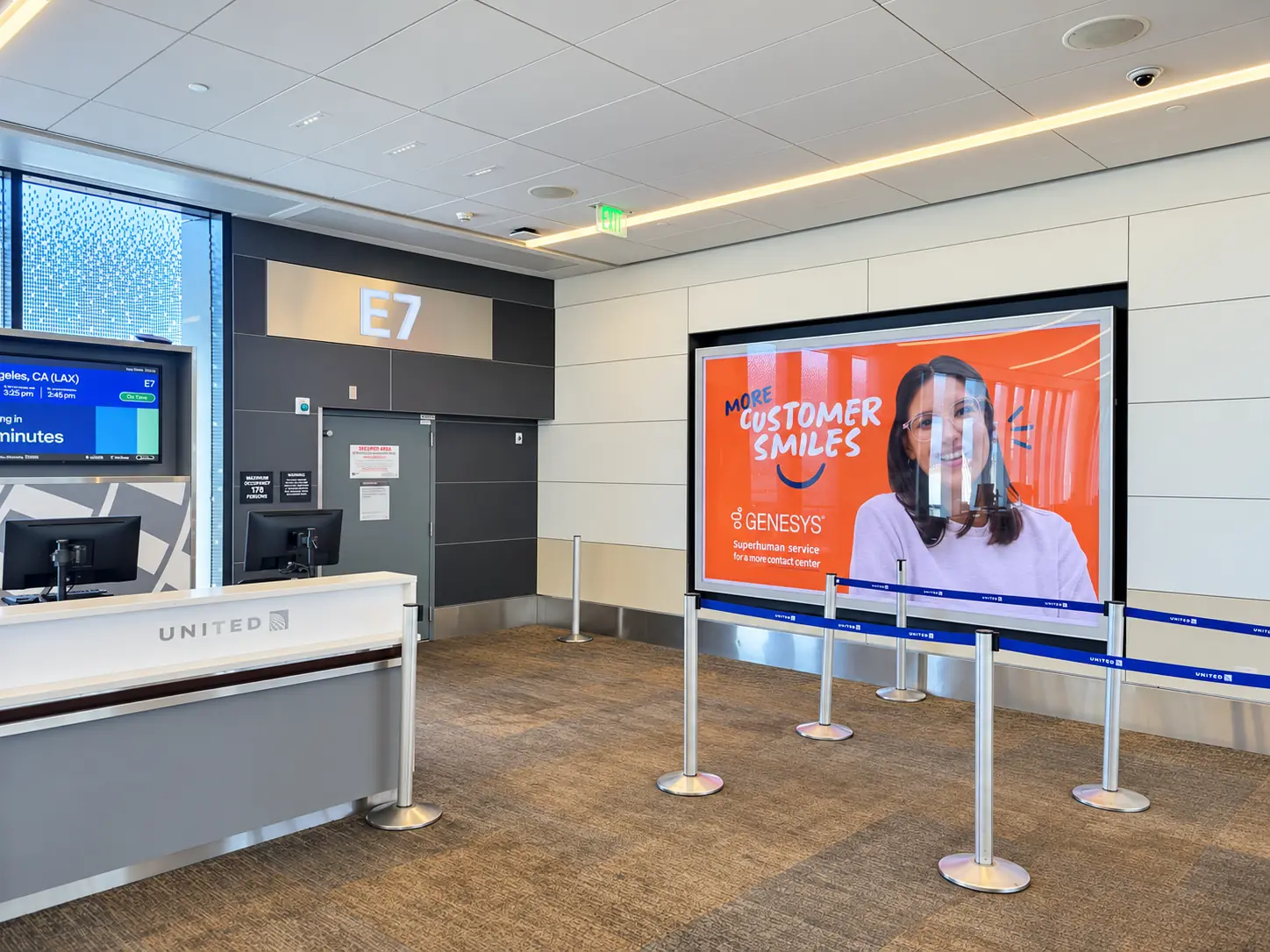
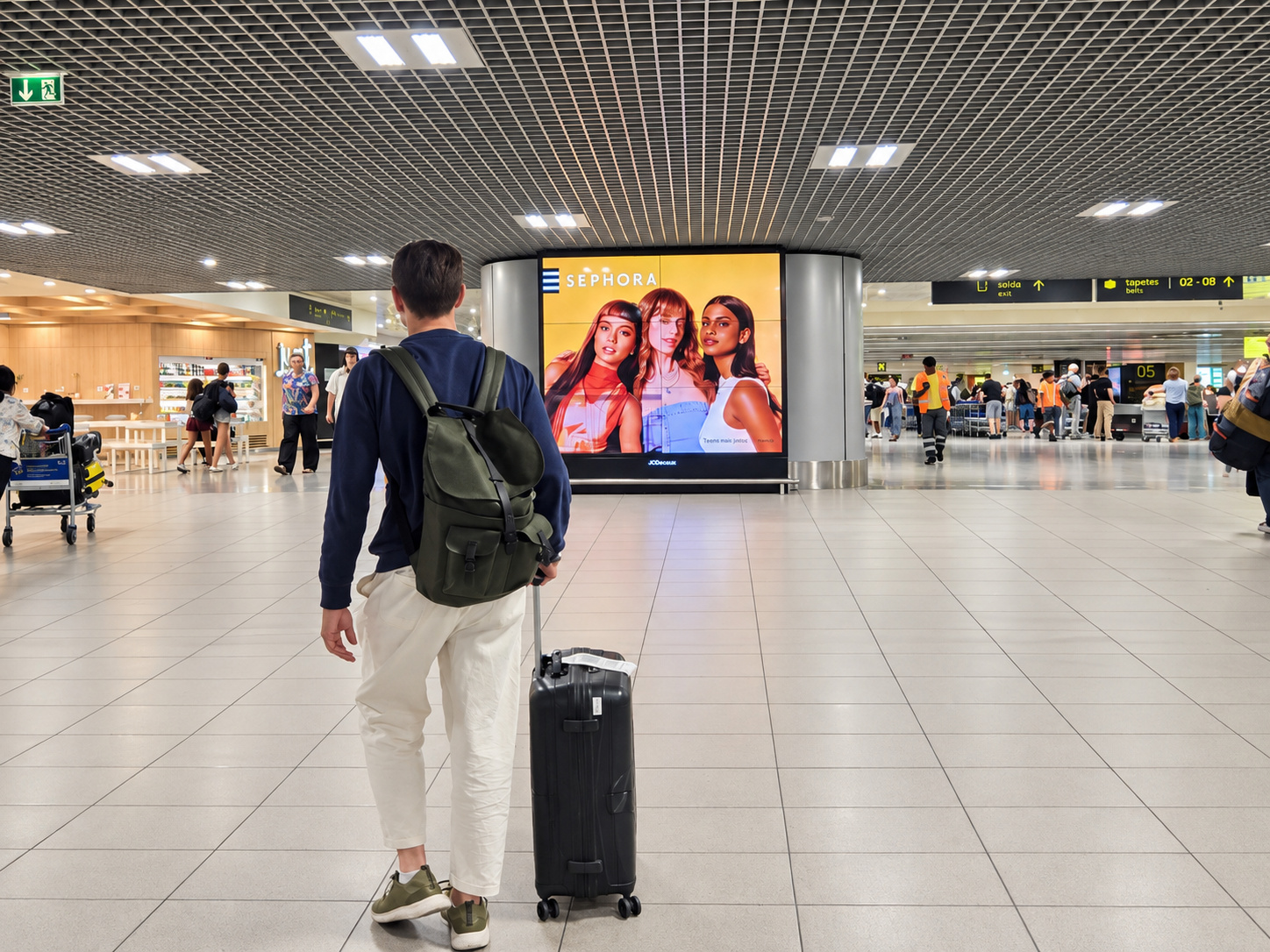
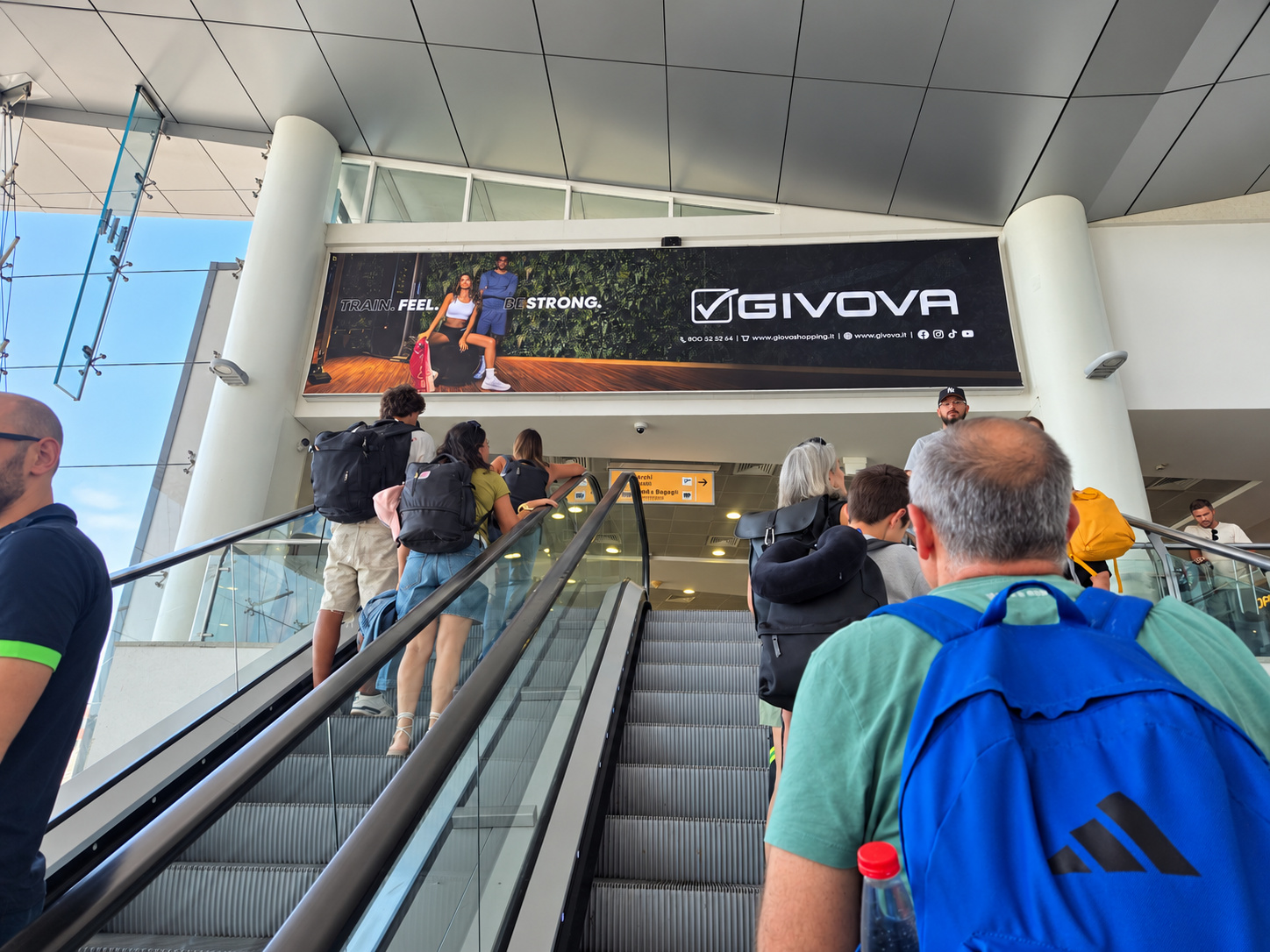
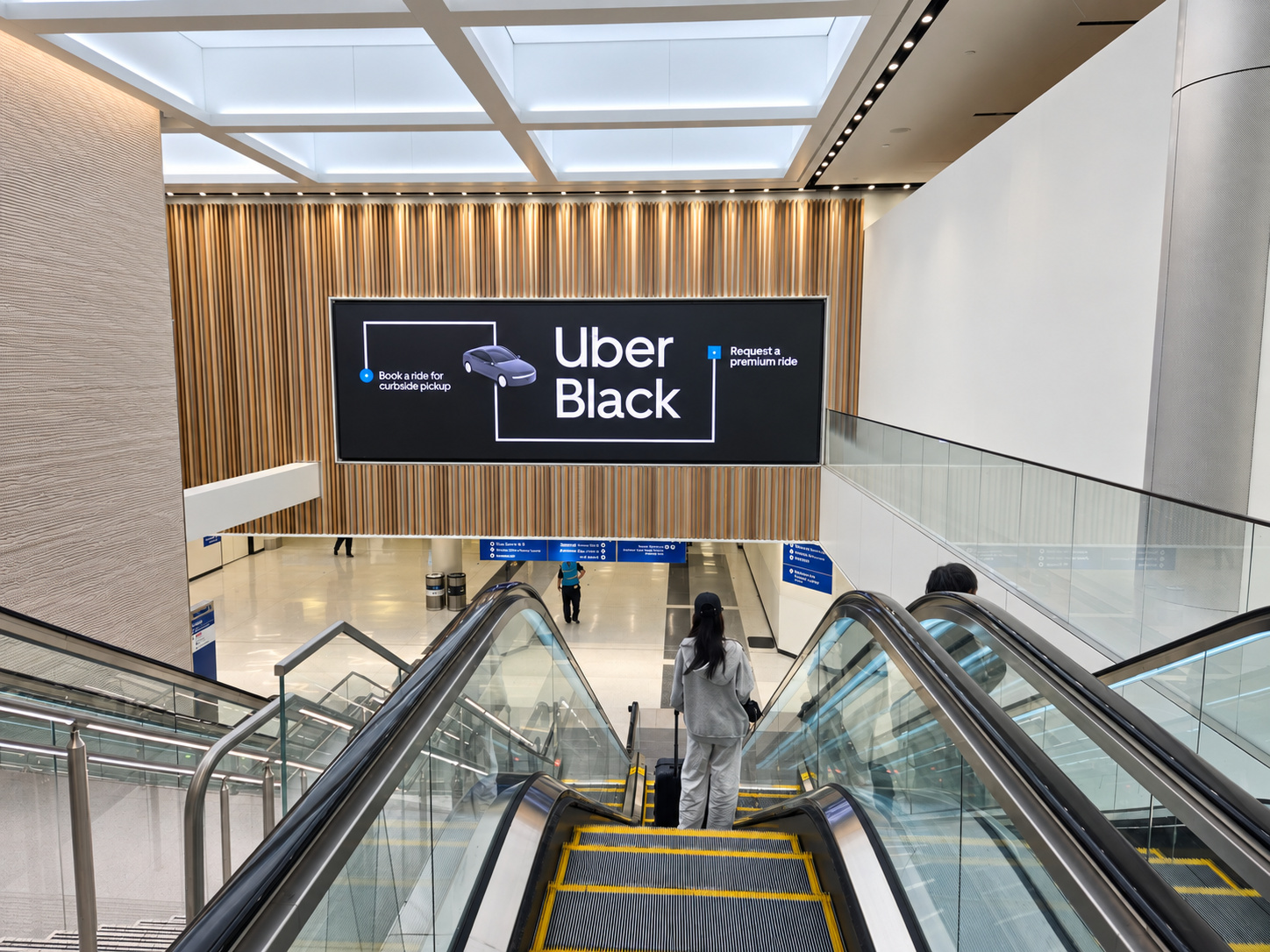
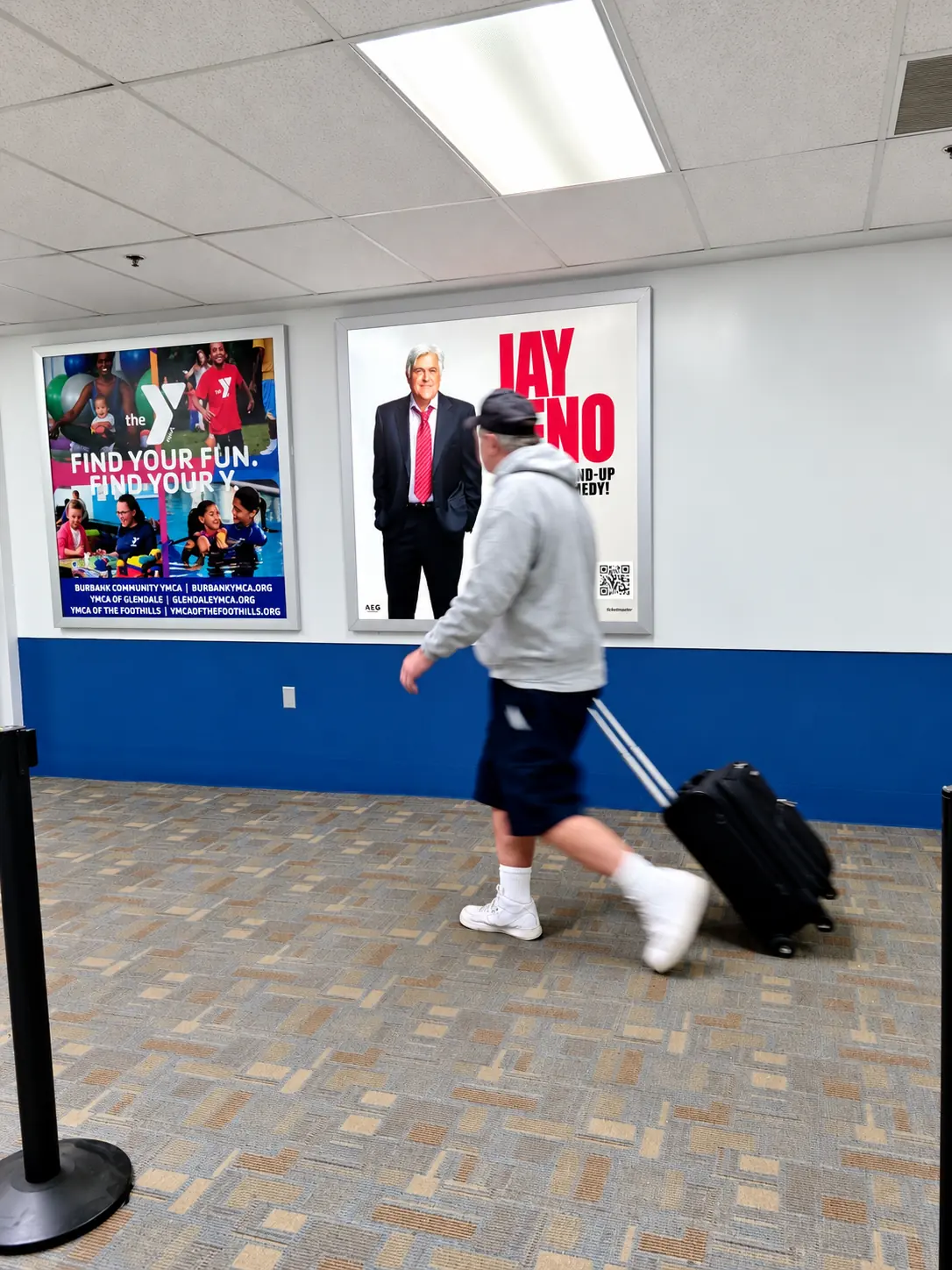
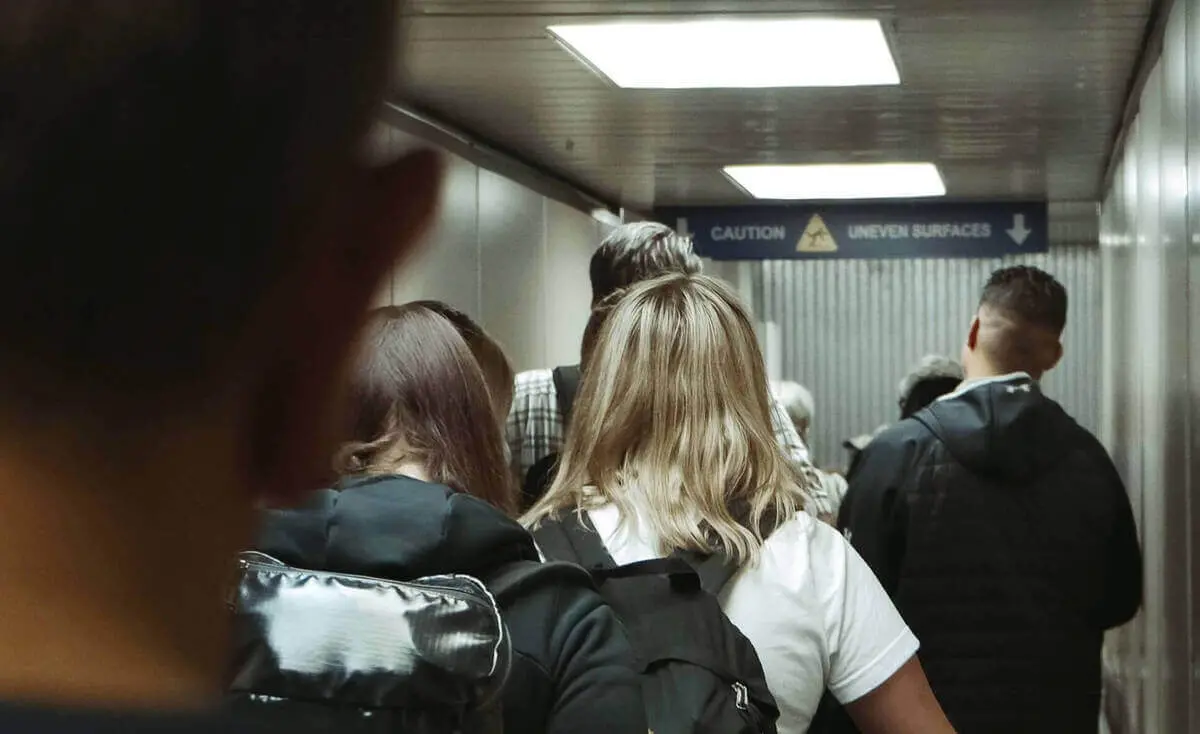
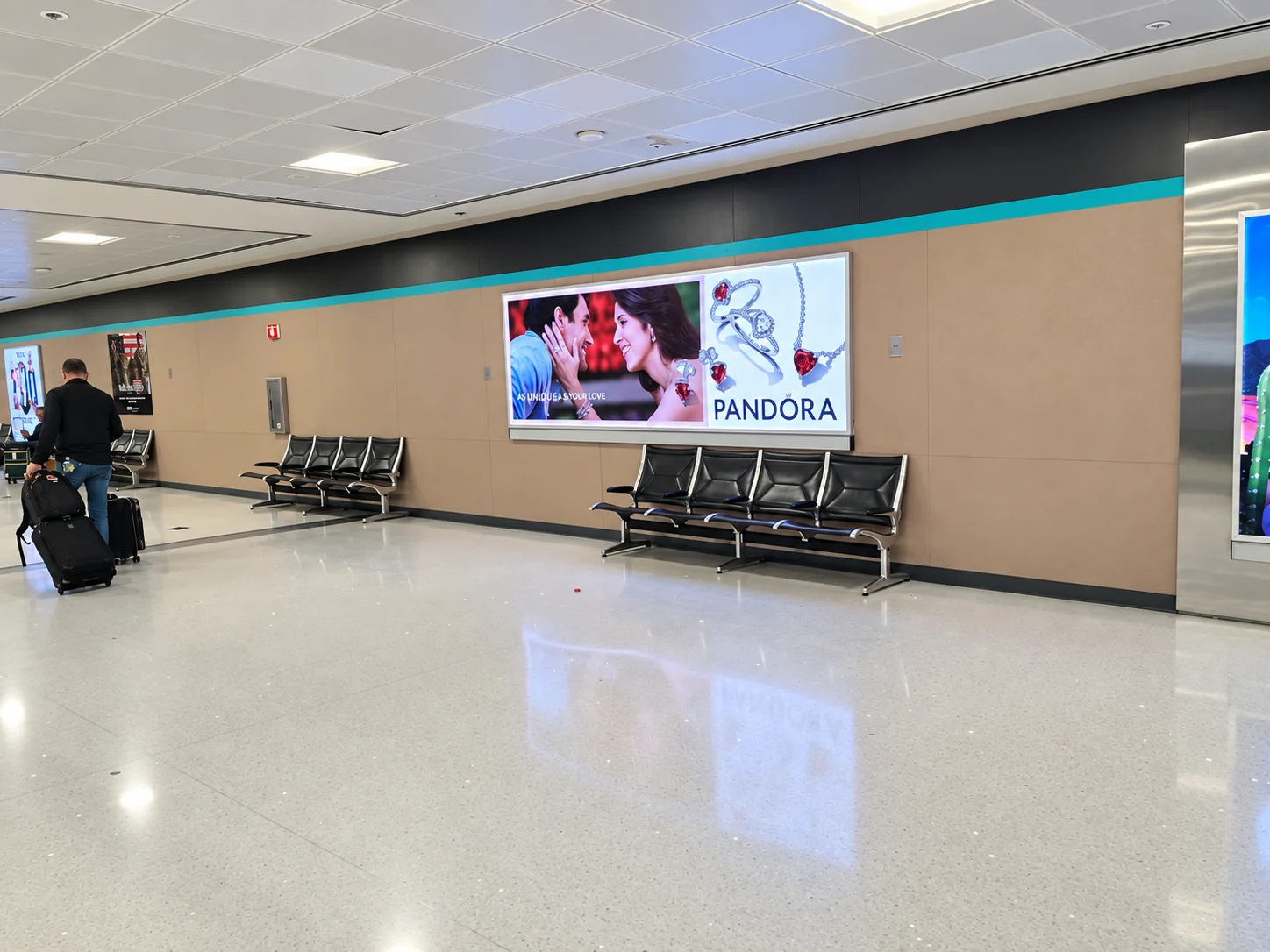
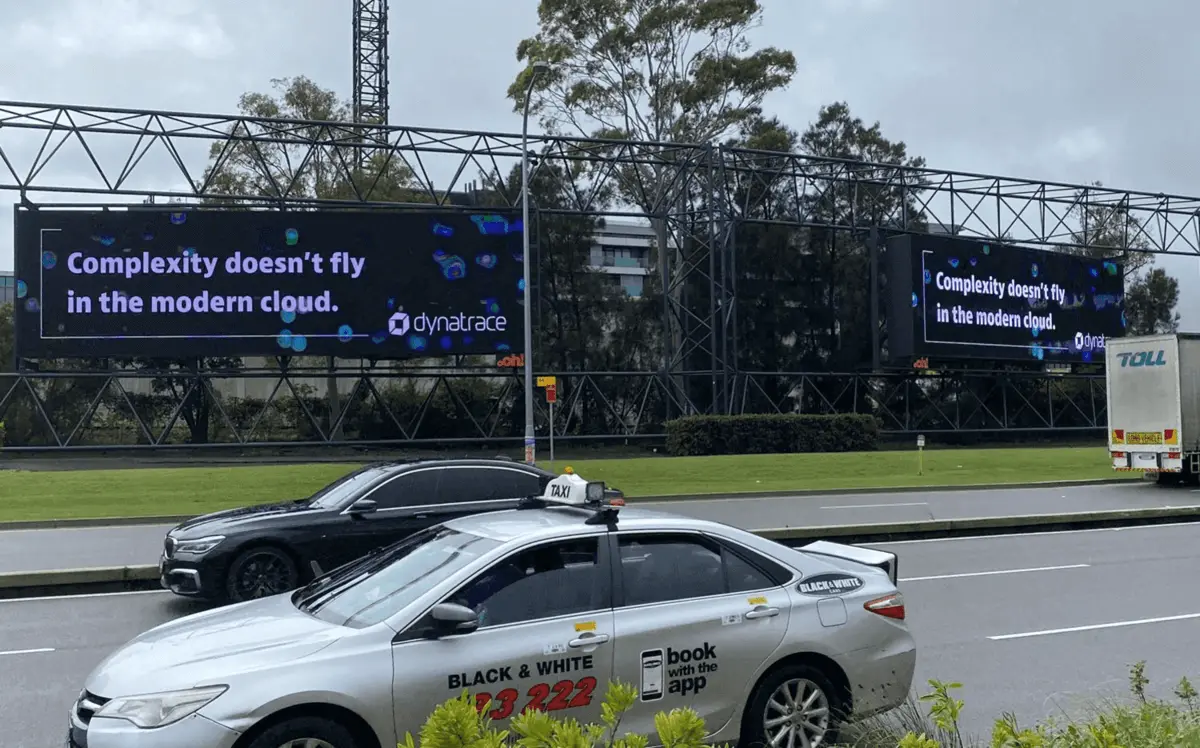
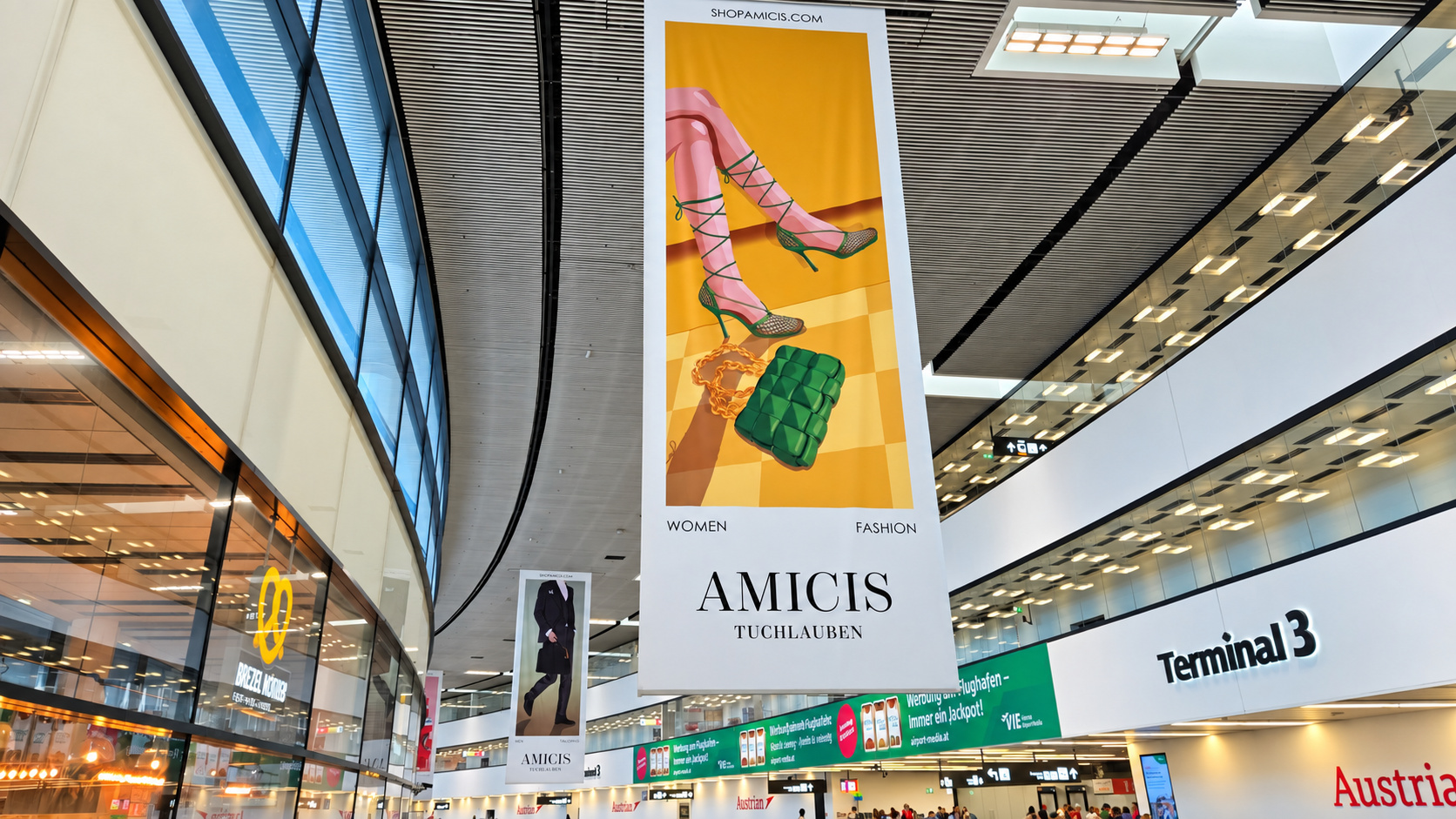
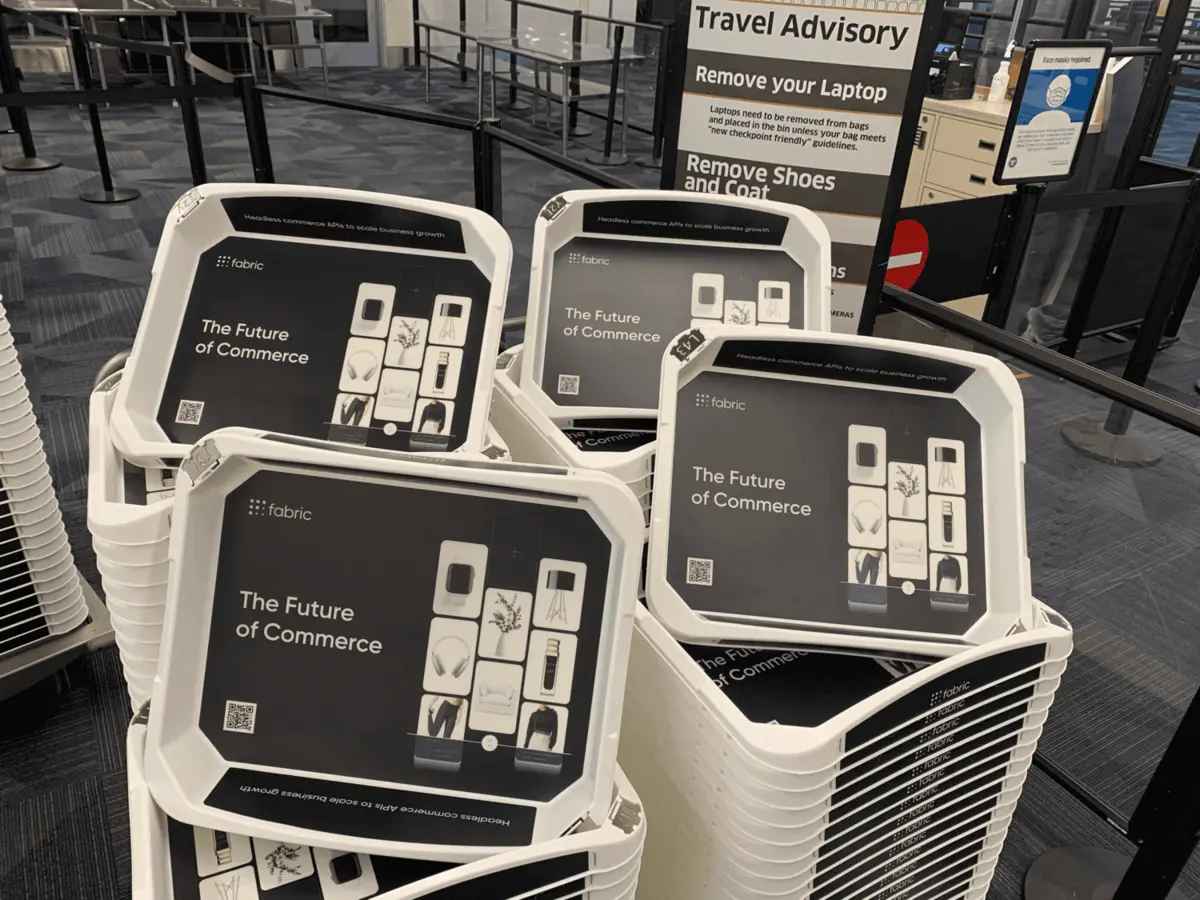
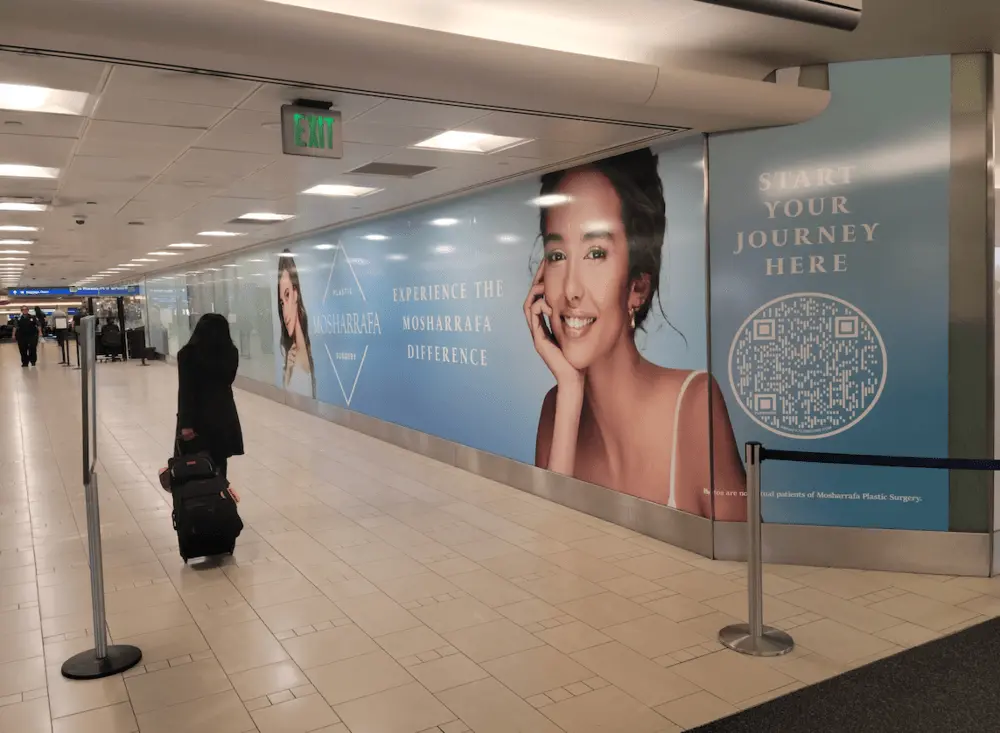
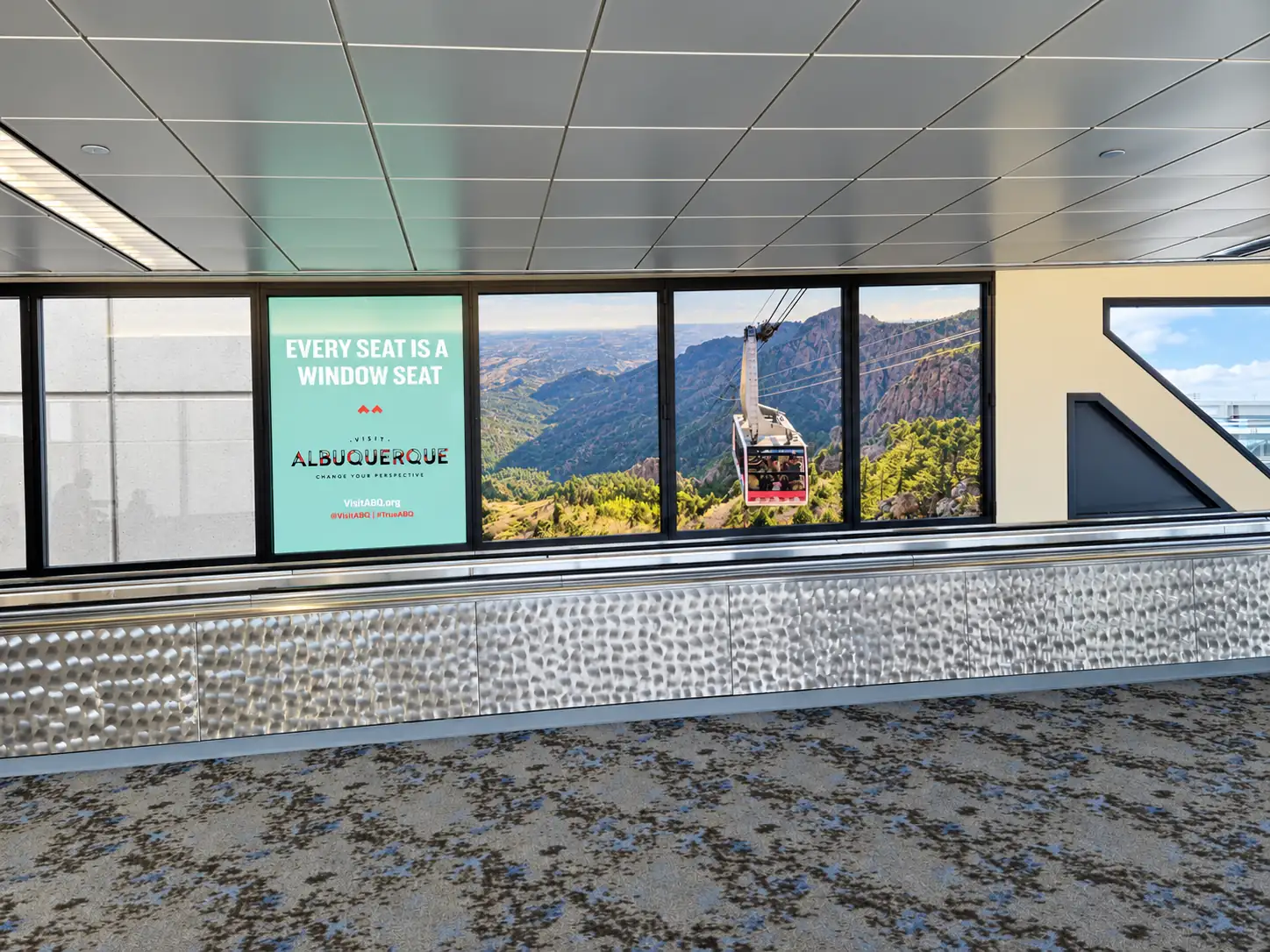
Airport advertising in practice, photographed across many airports. Availability at MIA varies by format.

Real brands. Real campaigns.

Which brands have run airport campaigns
with EAM Advertising?

Campaigns across several countries and media owners, each bought through one contract. Swipe or use the arrows for the markets, the scope, and the result.

“EAM made a nationwide airport campaign feel much easier to manage. The team was responsive, organized, and always on top of the details. They helped us make smart decisions with the budget, kept everything moving, and ultimately delivered exactly what we were looking for.”

Chief Marketing OfficerFortinet · nationwide airport campaign

These examples show past EAM campaigns—not a minimum campaign size, a forecast, or a guarantee of results. One-airport briefs are welcome, too.

Cost

What does Miami airport
advertising cost?

$30,000–$100,000 for a single unit or network per 4-week period. $100,000–$220,000 for a two- or three-network package per period. North of $240,000 for full-airport prestige-plus-gateway domination, 228 screens on the current kit, per period. Digital loops commonly run 10-second spots with a published floor around 12.5% share of voice. Those are planning ranges, not a rate card.

Sold in 4-week periodsArt Week and a conference each sit inside the 4-week period that contains them. Q4 is a quote, not a printed multiplier.

Media on the March 2026 specifications is sold in 4-week periods. For Art Week or a conference, one period covering the event is the usual buy. For always-on branding, brands stack periods. Older weekly grids in the intake folder, including a May 2022 multi-airport sheet, are not used as the current price.

What a budget buys at MIA

Planning ranges per 4-week period. Pick the one closest to your brief and we’ll build the plan from it.

$30,000–$100,000

A single unit or network

What it is
One placement for 4 weeks: a spectacular, or a slice of the digital network
For
A focused American-hub or concourse presence
Plan at this budget
$100,000–$220,000

A two- or three-network package

What it is
Two or three networks for 4 weeks, for example a spectacular plus a broader digital layer
For
Art Week, a conference period, or a thicker always-on flight
Plan at this budget
$240,000 and up

Prestige and gateway domination

What it is
The 228-screen package across the complex
For
Hub-wide frequency, knowing connectors are in the delivery
Plan at this budget

These are planning ranges, not packages or a rate card. Actual plans depend on the terminal, the period, and what is open when you book.

Contract realitiesHolds, cancellation, materials, and separation are not on the March 2026 face. They are set at contract.

Buying unit: 4 weeks. Pricing and availability are subject to change. The kit face is dated March 2026. Hold expiry, cancellation, the materials deadline, proof-of-performance photo terms, and annual increases are not stated on that face. Confirm them in the quote and write them into the contract. Competitive separation may be possible, but it isn't guaranteed; ask when booking and write it into the contract. Creative is subject to airport authority approval. Plan digital creative 14–18 business days before start and static creative 21–28 days before start; the deadline is set at contract.

What this page will not publishUnit rates and week-specific quotes come back as a quote, not on this page.

Unit-level rates, loop-position premiums, and week-specific quotes, including any Q4 premium. What you can plan against: a 4-week buying unit; $30,000–$100,000 for a single placement; $100,000–$220,000 for a two- or three-network package; north of $240,000 for prestige-plus-gateway domination. Specific units and periods come back as a quote.

Compare all 5 units in one tableWhere, type, spot, best for
MIA placements on the March 2026 pack
UnitAreaWhere it sitsTypeYour spotBest for
Prestige and gateway digital dominationFull airportAbout 228 screens across the complex, on domestic and international arrivals and departuresMixed screens, about 70 in and about 55 in10-second spot, minimum about 12.5% share of voice, roughly one of eight. Static and motionDomination-scale frequency for a hub-wide always-on buy or an event week. Includes connectors
Digital spectacular pairNorth TerminalLarge double-sided LED spectaculars in the North Terminal, seen by domestic and international departures and domestic arrivalsA pair of large LED faces, about 189 in × 113 in class10-second spot, minimum about 12.5% share of voiceAmerican-hub presence for Art Week and business peaks
Digital spectacular pairConcourses D and ENew large-format spectaculars near duty free and high-traffic movementTwo wide horizontal faces10-second spot, minimum about 12.5% share of voiceDuty-free adjacency and transfer dwell between American and the Central Terminal
Entrance digital spectacularConcourse DEye-level, head-on, at the entrance to Concourse DA single large LED, about 104 in × 132 in class10-second spot, minimum about 12.5% share of voiceA focused American-hub read without buying the full spectacular pair
Print and wrap programSupplementalOlder grids show Concourse D column wraps, soffit banners, wall wraps, arrival banners, and exit exterior facesVarious static facesFull face for the period, when the face is actually on saleOrigin-and-destination arrivals and American gate-hold presence. Confirm they are still live. The March 2026 pack in hand is digital-first

Timing

When should you buy MIA,
and how far ahead?

For culture and conferences, Art Week and Adobe MAX this winter, then the Boat Show, eMerge, Ultra, Seatrade, and the Formula 1 Miami Grand Prix through spring 2027. For branding, every week: the hemispheric hub and the metro workforce do not wait for a show. Art Week, Adobe MAX, the 2027 race, and Thanksgiving through New Year: hold 4–6 months out.

Dates checked October 2026.

Miami weeks and what they mean for the buy
EventTimingWho arrivesWhat it means for the buy
Adobe MAXNovember 10–12, 2026, Miami Beach Convention CenterCreative, marketing, and design professionalsCreative-industry inbound. Both directions if speakers fly American and foreign-flag carriers
Art Basel Miami Beach and Art WeekPublic days December 4–6, 2026. VIP days December 2–3Galleries, collectors, luxury, hospitalityThe peak culture week on the near calendar. Arrivals path and North Terminal spectaculars. Book early
Holiday and winter Latin America peakLate November through early JanuaryFamilies, Latin American visitors, seasonal residentsConsumer, hospitality, and financial weight. Loops fill
Discover Boating Miami International Boat ShowFebruary 10–14, 2027, five venues across Miami and Miami BeachMarine industry, yacht buyers, pressMarine and luxury inbound across the complex
eMerge AmericasMarch 2–4, 2027Technology, health, finance, and related audiences; organizers cite 20,000-plus attendeesThe technology week; Latin American founders and investors alongside U.S. enterprise
Ultra Music FestivalMarch 26–28, 2027, Bayfront ParkFestival audience and hospitalityConsumer, beverage, and destination brands; the arrivals path the weekend before
Seatrade Cruise GlobalApril 5–8, 2027, Miami Beach Convention CenterCruise-industry buyers and operatorsIndustry inbound, not the embarkation guest. Distinct from Fort Lauderdale’s cruise-passenger spine
Formula 1 Miami Grand PrixApril 30–May 2, 2027Team partners and sponsors, many of them enterprise technology, financial, and automotive brands, the executives and clients they host, and the fansA B2B hosting week and a luxury week at once; sponsors host clients at Hard Rock Stadium. Contested arrivals inventory
Semester peaksLate August, mid-January, MayStudents, parents, facultyUniversity and recruiting briefs. Departure-side weight
Standard weeksAll other periodsMetro workforce, routine Latin America and domestic trafficAlways-on branding. Loops are less contested
EAM's takeMatch connecting versus landing, then pick the concourse. Fort Lauderdale is a different brief.

The mistake at MIA is buying the hub as if every passenger were headed to Brickell or Art Basel, or copying Fort Lauderdale’s cruise brief onto Concourse D. North Terminal airside reaches American’s connecting banks. Bag claim and the curb face origin-and-destination passengers entering Miami. PortMiami moved about 8.6 million cruise guests in fiscal 2025, so hospitality and transfer brands do buy MIA arrivals. The cruise-two-miles spine still belongs on the Fort Lauderdale page.

How far ahead should you book?

Art Week, Adobe MAX, Formula 1 Miami 2027, and Thanksgiving through New Year: hold 4–6 months out. The boat show, Seatrade, eMerge Americas, and semester peaks: 8–12 weeks is often enough. Always-on periods are often workable at 4–8 weeks. Peak weeks sell North Terminal spectaculars and full-airport digital first.

Availability is the premiumThe kit does not print a Q4 multiplier.

Pressure shows up as contested North Terminal and Concourse D–E inventory when Art Week or a 2027 race weekend is in town, and as winter Latin America load on both airside and claim. Full-airport domination needs earlier scoping because it is a single large line.

Booking windows at MIA
TierExamplesHold byWhat sells firstPricing character
PeakArt Basel and Art Week; Adobe MAX; Formula 1 Miami 2027; Thanksgiving through New Year4–6 monthsNorth Terminal spectaculars, Concourse D entrance spectacular, full-airport prestige and gatewayOpen 4-week rates; contested. Q4 is a quote
HighBoat show, Seatrade, eMerge Americas, semester peaks8–12 weeksSpectaculars and claim-path unitsStandard 4-week rates
StandardWeeks outside the calendar peaks4–8 weeksMost digital faces more openStandard 4-week rates; the window to start always-on

Ready to plan?

Start your MIA plan.
Send the brief.

Tell us who you need to reach, where, and when. We come back with current availability at every airport in the plan and a recommended mix.

Airports, start date and duration, campaign goal, budget range, and anything else you can share. A few lines is plenty.

We come back with current availability and a recommended mix.

Placement

Where should your ads run
inside MIA?

On the concourse your audience’s airline uses, and on the side of the trip you actually need. Concourse D is American’s hub heart. Central E, F, and G and South H and J carry the rest. Airside spectaculars reach connectors. Bag claim and the curb, after federal inspection for international arrivals, reach people entering Miami.

Where an MIA passenger can actually be reached
PathWhere the units areWho is therePriority
American airsideConcourse D entrance spectacular, D and E spectaculars, North Terminal pair, prestige screens on DAmerican domestic, Latin America, and Caribbean banks, including connectorsHighest for hub-network and airline-alliance briefs. An upper bound if the brief is people in Miami
International origin-and-destinationPublic areas after federal inspection: bag claim and the curbThe share of 24.9 million international passengers who are ending a tripHighest for hotels, Art Week, and conference delegates who are actually in the city
Other airlinesCentral and South concourses, or the full-airport digital layerDelta, United, JetBlue, LATAM, Avianca, Copa, European and Gulf carriers as assignedRequired when the audience is not on American
Cruise transferArrivals path, not a port spectacular this kit does not listSome of PortMiami’s guests connecting through MIAA transfer brief, not Fort Lauderdale’s embarkation brief
There is no second Miami-Dade airport on this pageFort Lauderdale is the sister South Florida airport, with its own cruise spine.

What matters at MIA is which concourse the airline uses and whether the brief is connecting or landing. A full-airport digital buy covers the complex in one line. Spectaculars in the current kit over-index North Terminal and Concourses D and E.

Why this airport

Why do brands advertise at
Miami International (MIA)?

Because American’s Latin America and Caribbean gateway and Miami’s convention and Art Week calendar share one airport. About 55.3 million passengers a year move through a single connected complex. About 45% are international. Brands buy the resident metro and the Latin American visitor on the departure side, and the conference and Art Week inbound on arrivals.

The U.S. airport with the most flights to Latin America and the CaribbeanThat Miami-Dade figure is why the concourse matters.

In 2025 the airport ranked about eighth in the U.S. for total passengers and second for international passengers. American treats Miami as its primary international gateway to the Americas. Public carrier materials put the peak day above 400 flights. A plan that ignores Concourse D is not an American-hub plan. A plan that only buys Concourse D misses South Terminal long-haul arrivals.

The city calendar sits on the hubArt Week, Adobe MAX, and the 2027 race are not.

The Miami Beach Convention Center and the culture calendar change who arrives for defined weeks. Those delegates still use this airport. They are weight on top of a workforce and a Latin American visitor base that fly every week.

Audience

Who actually flies
through MIA?

55.3 million passengers in 2025 across one connected complex. American dominates Concourse D and the North Terminal. Central and South terminals carry the rest of the domestic and long-haul mix. The useful audience for a conference brief is the industry landing that week. For a branding brief it is the metro workforce, Latin American visitors, and students who use these concourses every week.

MIA concourses and what they mean
ConcourseAirlines (confirm at contract)What it means for the buyDirection
North — DAmerican, and selected partners as assignedHighest American dwell. Domestic and Latin America banks. Connecting share stays airsideGate-hold and Concourse D spectaculars for the hub. Claim for people entering Miami
Central — EA mix of U.S. and international carriers, including JetBlue, British Airways, Iberia, Qatar, and Alaska as assignedDuty-free and transfer-adjacent. New spectacular inventory sits on D and EBoth directions
Central — F and GLow-cost and regional international mix, including Frontier, Southwest, Bahamasair, and Porter as assignedLeisure and Caribbean-leaning origin-and-destination when the audience is not on AmericanWeight claim if they are landing
South — H and JDelta, United, LATAM, Avianca, Copa, Air France, Lufthansa, Emirates, and other foreign-flag carriers as assignedBroad international arrivals and departuresPost-customs public path for long-haul origin-and-destination
Connectors are a real share of AmericanConcourse and gate-hold units reach people who may never claim a bag in Miami.

Latin America network and airline-alliance briefs can live airside. Hotel, destination, and people-actually-in-Miami briefs must weight the origin-and-destination path.

Business travelers in an airport terminal

Latin American corporate travelers and the metro employer base

American’s hub and the foreign-flag mix put finance, trade, telecom, and corporate traffic through Concourse D and the South Terminal international gates. Always-on business-to-business, financial, and software brands weight departure-side and airside frequency. Brickell, healthcare, and trade employers use the same airport as the weekly departure door.

Conference travelers in an airport terminal

Convention, Art Week, and culture inbound

Adobe MAX, Art Basel and Art Week, the boat show, Seatrade, eMerge Americas, and Formula 1 Miami 2027. One 4-week period covering the event is the natural buy. Arrival-side claim and spectaculars on the origin-and-destination path do the inbound day.

International travelers in an airport arrivals hall

International and Latin American visitors

About 24.9 million international passengers in 2025, roughly 45% of the building. Public units reach them after federal inspection, at bag claim and the curb, not at the gate.

Students and families in an airport terminal

Students and universities

University of Miami, FIU, Miami Dade College, and out-of-state programs peak in August, January, and May. Education brands EAM has placed in airports include Wharton, BYU, the University of Michigan, the University of Pittsburgh, and UT Dallas.

Who advertises

What kinds of brands advertise at MIA,
and what are they trying to do?

Latin American corporate and financial brands on the American hub; Miami employer brands on the departure side; galleries, luxury, and hospitality in Art Week; conference brands in the weeks their buyers land; cruise-industry buyers at Seatrade, which is not the same as a cruise passenger; universities on the semester calendar.

How brands use MIA, by objective
ObjectiveWho buys itWho it reachesWhat the buy usually looks like
Latin America corporate and financeBanks, trade, telecom, softwareAmerican’s hub and foreign-flag business traffic, both directionsConcourse D and full-airport digital, stacked 4-week periods
Employer brandBrickell, healthcare, hospitality, trade employersMetro residents departing and returningDeparture-side weight, year-round
Art Week and luxuryGalleries, luxury, hospitalityCollectors, sponsors, and the clients they hostThe December 2026 period. Arrivals path and North Terminal spectaculars
ConferencesPayments, creative, technology, cruise-industry buyersDelegates for Adobe MAX, eMerge, and SeatradeThe 4-week period covering the show
Formula 1 sponsorsTeams, sponsors, hospitalityFans plus the executives sponsors host in 2027The April 30–May 2, 2027 period. Not the finished 2026 race. Not a consumer-only week
UniversitiesLocal and out-of-state programsStudents, parents, alumniDeparture side in late August, mid-January, and May
Art Week is culture and business at onceGalleries, luxury, and finance share the arrivals path.

Do not tell a business brand to skip Art Week. Sponsors and galleries host clients. Do tell them the loops fill, and that a connector on Concourse D is not the same person as a collector at claim.

How EAM works

How does EAM run
an MIA campaign?

One call, one plan, one contract. We follow up to learn who you need to reach and the objective, then come back with current availability and a recommended mix.

  1. Step 01

    Scope the week.

    Always-on versus Art Week, a conference, the winter peak, or the 2027 race; Concourse D only versus Central and South versus the full airport; connecting, landing, or both; MIA alone or with Fort Lauderdale when the brief needs the cruise door.

    You getThe period, the terminal, and the direction

  2. Step 02

    Check avails and loop position.

    Which spectaculars and networks are open, how the live loop compares with the 12.5% floor, whether a print face from an older grid is actually on sale, and whether category separation is possible. Competitive separation may be possible, but it isn't guaranteed; ask when booking and write it into the contract.

    You getAvailability and loop crowding

  3. Step 03

    Quote the mix.

    Formats, share of voice, and a range, not a scraped rate card. After we know who you need to reach, we come back with current availability and a plan you can take inside.

    You getA range and a mix you can take inside

  4. Step 04

    Contract and traffic creative.

    Specs across prestige, gateway, and spectacular aspect ratios. Airport authority approval. Files in on the date the contract sets. The March 2026 face does not publish a standard lead time.

    You getSpecs, approval, and a materials date

  5. Step 05

    Go live and close the loop.

    Confirm posting before the first arrival wave. Deliver proof of posting and play logs after the flight.

    You getProof of posting and play logs

An independent media agency

EAM Advertising is an independent airport and in-flight media agency, founded in 2015. We specialize in airport and in-flight media and nothing else, and we do not own media assets at MIA or any airport. That independence is why the recommendations hold up. We plan and buy across 125+ airports and 45+ airlines worldwide, which is the leverage and the current-availability knowledge a one-time MIA buyer does not have. Clients include Fortinet, Dynatrace, Rubrik, McGraw-Hill, and Wharton. When the strategy extends beyond Miami — a Florida plan that also needs Fort Lauderdale or Orlando, a Latin America multi-city launch, a U.S. roadshow — the same relationship covers the other markets.

For agencies and consultants

Your client. Your plan.
We handle the airports.

Agencies and consultants bring EAM Advertising in as the airport specialist behind a client’s plan. The client relationship stays with you. We plan, buy, and report under NDA, and can work white-label.

Get our media kit
  • Your client stays yours.We work behind your team, not around it.
  • White-label and NDA.Plans and reporting can go out under your name.
  • One contract, one invoice.Every airport and media owner in the plan, under one set of terms.
  • Numbers before the client commits.Current availability and planning ranges at the proposal stage.

Measurement

How do you measure
an MIA campaign?

Proof of posting and digital play logs are factual. Delivered impressions are modeled. A brand-lift study is the only method that speaks to effect, and it has to be fielded before the flight. Direct pipeline attribution is not reliably available. Play logs are the check on whether the 12.5% floor was what actually ran.

Measurement at MIA
MeasureWhat it actually tells youWhen to set it upConfidence
Proof of postingPhotographic confirmation that every unit ran, in the right place, for the full period. The March 2026 face does not publish photo terms. Write them into the contract.Written into the contract before signingHigh — factual
Delivered impressionsModeled audience delivery from airport traffic and unit position. An estimate. North Terminal counts include connectors who never enter Miami.Requested at proposal stageModerate — modeled
Digital play logsActual spot counts and share of voice against the published floor of about 12.5%.Requested at contractingHigh — logged
Brand lift studySurvey-based awareness or perception change against a control. The only method that measures effect rather than exposure.Fielded before the flight, for a baselineModerate — needs budget and lead time
Direct attribution to pipelineNot reliably available. Airport media has no click, and the same brands run other touchpoints at the same time.Do not plan the buy around itLow — treat claims here with skepticism
Decide the audience before the metricA Concourse D impression and a claim impression are not the same delivery.

Hub-network briefs can defend airside play logs. Art Week and hotel briefs need the origin-and-destination path in the proof, or the number overstates people who were in Miami.

Questions

Frequently asked questions
about MIA

How much does it cost to advertise at Miami airport (MIA)?

A single unit or network runs $30,000–$100,000 per 4-week period. A two- or three-network package runs $100,000–$220,000 per period. Full-airport prestige-plus-gateway domination, 228 screens on the current kit, runs north of $240,000 per period. Production and install for standard digital are often included in the media. Specialty and print production are quoted separately. Those are planning ranges; specific units and periods are quoted against current availability.

How is MIA airport advertising sold?

In 4-week periods on the current specifications. Digital networks commonly run 10-second spots with a published floor around 12.5% share of voice, roughly one of eight in an about-80-second loop. Confirm the live loop per network. Q1 through Q3 planning rates appear on the March 2026 kit face. Q4 is a quote. Hold, cancellation, and materials deadlines come from the quote when the kit face is silent. Competitive separation may be possible, but it isn't guaranteed; ask when booking and write it into the contract.

Which terminal should I advertise in at MIA?

The one your audience’s airlines use. American concentrates in the North Terminal on Concourse D. Central Terminal, concourses E, F, and G, and South Terminal, concourses H and J, carry the broader domestic and international mix. Full-airport digital covers the complex in one line. Spectaculars in the current kit over-index the North Terminal and concourses D and E. Confirm the airline map at contract.

Can I reach connecting passengers at MIA?

Yes, on Concourse D airside, the D and E spectaculars, and full-airport digital faces on those paths. That is often a large share of an American bank. Connecting passengers typically never see bag claim, post-customs public areas, or the curb. If the brief is people actually in Miami, weight the origin-and-destination path. If the brief is the hub network, airside frequency is the point.

Can MIA advertising reach international and Latin American arrivals?

Yes, after federal inspection. International arrivals reach public advertising at bag claim and the curb, not at the gate. For a Latin America or long-haul inbound brief, post-customs units matter. Concourse D airside units reach outbound Latin America traffic and domestic connectors instead.

How far in advance should I book MIA for Art Week?

Art Week, Adobe MAX, and Formula 1 Miami 2027: plan to hold 4–6 months out. The boat show, Seatrade, and eMerge Americas: 8–12 weeks is often enough. Always-on periods are often workable at 4–8 weeks.

Is MIA good for business-to-business advertising?

Yes, as a hub branding buy year-round and as a conference buy when the industry is at the Miami Beach Convention Center or in town for Art Week. Adobe MAX, Seatrade, and eMerge Americas are clear business peaks. Art Week pulls galleries, luxury, and finance, including the clients they host. Outside those weeks, target the metro employer base and American’s Latin America corporate traffic.

How is MIA different from Fort Lauderdale (FLL)?

MIA is American’s hemispheric hub, with roughly 45% international traffic and the U.S. lead in flights to Latin America and the Caribbean. Fort Lauderdale is a Broward origin-and-destination airport whose page is built around Port Everglades, about two miles from the gate. Cruise embarkation briefs usually start at Fort Lauderdale. Latin America corporate, Art Week, and Miami-Dade origin-and-destination briefs usually start at MIA. Many South Florida plans use both. This page does not choose the market for you.

Do universities advertise at MIA?

Yes. University of Miami, FIU, Miami Dade College, and out-of-state programs recruiting South Florida students, plus alumni campaigns around commencement. Education brands EAM has placed in airports include Wharton, BYU, the University of Michigan, the University of Pittsburgh, and UT Dallas. Natural periods are late August, mid-January, and May.

When is creative due for an MIA flight?

Take the materials deadline from the quote. The March 2026 kit face does not publish a standard lead time. All creative needs airport authority approval before it posts. A multi-network buy often includes several LED aspect ratios across prestige, gateway, and spectacular faces.

Does the Formula 1 week matter for business brands?

The 2027 race, April 30–May 2, does. Teams’ partners and sponsors host executives and clients, so it is not a consumer-only week. Buy the 4-week period that contains the 2027 race, and expect contested arrivals inventory.

What does EAM handle on an MIA campaign?

Everything after the objective. We check what's open for the week, which loops are crowded and which units will sell out, and where on the arrival path your audience actually walks. We recommend the mix, secure the units, traffic the creative through airport approval, confirm posting on day one, and deliver proof of posting and play logs after. If MIA is one market in a larger plan, the same relationship covers the others.

Independent airport advertising media agency. Est. 2015.

One airport or twelve.
Start with the media kit.

Send your work email for the media kit: formats, planning ranges, and how EAM works. We’ll follow up to learn who you need to reach and when, then come back with current availability and a recommended mix.

We’ll follow up to learn who you need to reach and when.

Independent since 2015 · 125+ airports · 40+ media vendors

Sources

Sources and
methodology

  1. Passenger statistics and rankings: Miami-Dade Aviation Department, miami-airport.com About Us. 55,314,661 passengers in 2025, of which 30,464,597 domestic and 24,850,064 international. U.S. airport. https://www.miami-airport.com/about_us.asp
  2. American Airlines at MIA: 2025 hub fact sheet. Third-largest hub, about 62% of annual commercial passenger traffic, 400-plus peak daily flights. https://s202.q4cdn.com/986123435/files/doc_downloads/fact-sheets/hub/2025-Hub-Fact-Sheet-MIA.pdf
  3. Terminal and concourse airline snapshot: public MIA airline-by-concourse guides. North D American; Central E, F, and G mixed; South H and J international and domestic mix. Confirm at contract. https://www.miami-airport.com/about_us.asp
  4. PortMiami, about 8.6 million cruise guests in fiscal 2025. Used only to separate a transfer brief from Fort Lauderdale’s embarkation brief.
  5. Event dates: Adobe MAX November 10–12, 2026; Art Basel Miami Beach public days December 4–6, 2026, VIP December 2–3; boat show February 10–14, 2027, confirm; eMerge Americas March 2–4, 2027; Ultra March 26–28, 2027, confirm; Seatrade Cruise Global April 5–8, 2027; Formula 1 Miami April 30–May 2, 2027. Attendance figures are organizer-cited.
  6. Unit descriptions, the 228-screen count, the about 12.5% share-of-voice floor, and 4-week ranges: March 2026 MIA specifications. Unit rates are not published. Q4 is not on the face. Creative lead time is not on the face. Pricing ranges and booking windows: EAM Advertising planning and buying data, 2015–2026.